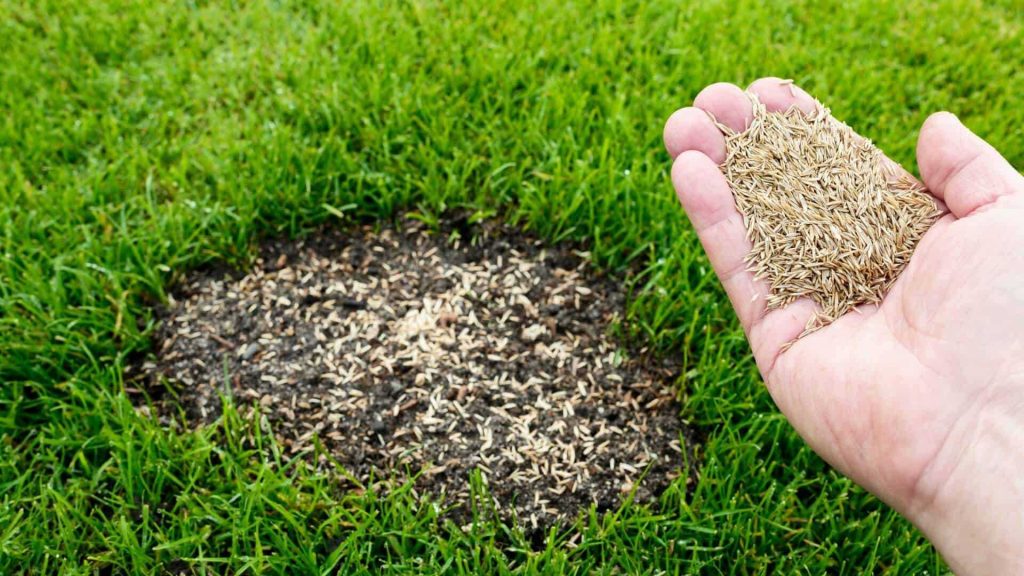
To reseed your lawn by hand effectively, start by preparing the soil, spreading the seeds evenly, and gently pressing them into the ground. Water thoroughly after planting and keep the area moist until the new grass establishes. This simple process can rejuvenate a patchy lawn and give you lush, green grass in no time.
Reseeding your lawn by hand is a straightforward task that requires minimal equipment. First, loosen the soil to ensure good seed-to-soil contact, then spread the seeds evenly with your hands or a simple tool. Cover lightly with soil or compost, water consistently, and patience will reward you with a revitalized lawn.
If your lawn looks dull or patchy, reseeding by hand can breathe new life into it. Whether you’re fixing small bare spots or overseeding a larger area, doing it yourself can be both cost-effective and satisfying. The key is preparing the soil well, planting the seeds properly, and maintaining consistent moisture. By taking these steps, you’ll soon be enjoying a thick, healthy lawn that enhances your outdoor space.

How to Reseed Lawn by Hand
Reseeding your lawn by hand can be a simple yet effective way to improve your yard’s appearance. It allows you to target specific problem areas and ensure healthy grass growth. Properly reseeding can make your lawn thicker, greener, and more resistant to weeds and pests.
Understanding Why Reseeding Is Important
Over time, lawns can become patchy or thin due to foot traffic, drought, or pests. Reseeding helps fill in bare spots and encourages new grass growth. It also restores the overall health of your lawn, making it more resilient.
Preparing Your Lawn for Reseeding
Assessing the Lawn Condition
Check for areas with thin or bare patches. Identify the type of grass growing and note any soil issues. Well-prepared soil is key for successful reseeding.
Cleaning and Clearing the Area
Remove any debris such as leaves, sticks, or rocks. Raking the area helps loosen the soil and clears the surface for better seed contact. Clear weeds manually or with targeted treatment.
Addressing Soil Conditions
Test the soil pH and nutrient levels. Most grasses prefer a pH between 6.0 and 7.0. Amend the soil with compost or lime if needed to create optimal growing conditions.
Choosing the Right Grass Seed
Select a seed that matches your existing grass type or suits your climate. When reseeding by hand, opt for high-quality, disease-resistant seed for better results. Consider factors such as sun exposure and soil moisture.
Types of Grass Seeds
| Grass Type | Ideal Conditions | Growth Rate | Notes |
|---|---|---|---|
| Bermuda | Sunny areas | Fast | Warm season grass; needs full sun |
| Kentucky Bluegrass | Cooler climates | Moderate | Good for shaded areas |
| Fescue | Shade tolerant | Moderate | Durable and drought-resistant |
| Perennial Ryegrass | Cold climates | Fast | Good for overseeding |
Applying the Seed by Hand
Spreading the Seeds Evenly
Mix the seed with sand or soil to help distribute it evenly. Use your hands or a scoop to sprinkle the seed across the bare patches. For best results, divide the seed into two halves: spread one half in one direction and the other half perpendicular to it.
Sowing Techniques for Better Coverage
- Apply seed in small amounts for precision.
- Ensure even distribution to prevent overcrowding or thin spots.
- Use a light hand to avoid burying the seed too deeply.
Ensuring Proper Contact with the Soil
Press the seed gently into the soil surface using a roller, the back of a rake, or your hands. Good seed-to-soil contact is crucial for germination and healthy growth.
Methods to Improve Seed Contact
- Lightly rake the area after spreading seeds.
- Use a roller to press the seeds into the soil.
- Ensure soil is moist but not waterlogged when pressing seeds in.
Watering Techniques for Seed Germination
Keep the soil consistently moist without overwatering. Light, frequent watering—two to three times daily—encourages germination and prevents the soil from drying out.
Best Practices for Watering
- Use a gentle spray or sprinkler to water lightly.
- Avoid heavy watering that can wash away the seeds.
- Water early in the morning and late in the afternoon for best results.
Protecting New Grass from Damage
Limit foot traffic on reseeded areas until grass is established. Installing temporary barriers or signs can help prevent accidental damage. Mulch or straw can also protect the seeds from birds and wind.
Using Mulch or Straw
Spread a thin layer of straw or mulch over the seeded patches. This helps retain moisture, suppress weeds, and protect the seed from drying out.
Monitoring Growth and Providing Ongoing Care
Keep an eye on the progress of your new grass. Water regularly, and avoid mowing until the grass reaches at least 3 inches high. Fertilize lightly after germination to promote strong root growth.
Dealing with Common Challenges
- If grass isn’t germinating, check soil moisture and seed quality.
- Address weeds promptly to prevent them from competing with new grass.
- If patches remain bare, reseed again after fixing soil issues.
Additional Tips for Successful Hand Reseeding
- Timing matters: reseed during early spring or fall when temperatures are moderate.
- Don’t sow during drought or extreme heat, which can stress new seedlings.
- Be patient as new grass can take several weeks to establish.
Related Topics
- How to Prepare Soil for Seeding: Understand soil testing and amendments.
- Best Lawn Care Practices: Mowing, watering, and fertilizing tips.
- Overseeding Your Lawn: How to overseed existing grass for a fuller look.
Reseeding your lawn by hand is a manageable task that, with patience and proper technique, can lead to a lush and healthy yard. Follow these steps carefully, and you’ll see your lawn transform into the green space you desire. Remember, consistent care and attention are key to successful reseeding and long-lasting results.
Frequently Asked Questions
What tools do I need to reseed my lawn by hand?
To reseed your lawn by hand, gather essential tools such as a rake or garden fork to loosen the soil, a seed spreader or your hands to distribute the grass seed evenly, a watering can or hose for watering, and a roller or tamping tool to press the seeds into the soil. Having these tools ready ensures a smooth reseeding process and promotes healthy grass growth.
How can I prepare my soil before reseeding by hand?
Start by removing any debris, weeds, or dead grass from the area. Loosen the top inch of soil using a rake or garden fork to create a loose, aerated bed. If the soil is compacted, consider lightly aerating it to improve seed-to-soil contact. Adding a thin layer of compost or soil conditioner can also provide nutrients that support seed germination and establishment.
What is the best way to ensure even seed distribution when reseeding manually?
To achieve even coverage, divide the total seed amount into two portions. Scatter one portion across the area in one direction, then sprinkle the second portion perpendicular to the first. This cross-hatching method helps prevent patchy growth. Alternatively, use a seed spreader for more uniform distribution, especially over larger areas, to ensure each part of your lawn receives an adequate amount of seed.
How much water should I apply after reseeding by hand?
Water the area gently but thoroughly immediately after reseeding, ensuring the soil remains consistently moist. Continue to water lightly two to three times daily until the seeds germinate and the grass begins to establish. Be careful not to overwater, as excessive moisture can lead to seed rot or fungal issues. Maintaining even moisture encourages healthy root development and successful lawn reseeding.
Final Thoughts
To reseed lawn by hand, start by preparing the soil. Clear debris and loosen the topsoil with a rake or hoe. Spread the grass seed evenly over the area, then lightly press it into the soil with your hands or a roller. Water the area gently but thoroughly to help the seed settle and germinate. Keep the soil moist and avoid foot traffic until new grass establishes.
In summary, reseeding lawn by hand involves soil preparation, even seed distribution, and proper watering. This simple method ensures your lawn regains its health and beauty efficiently.