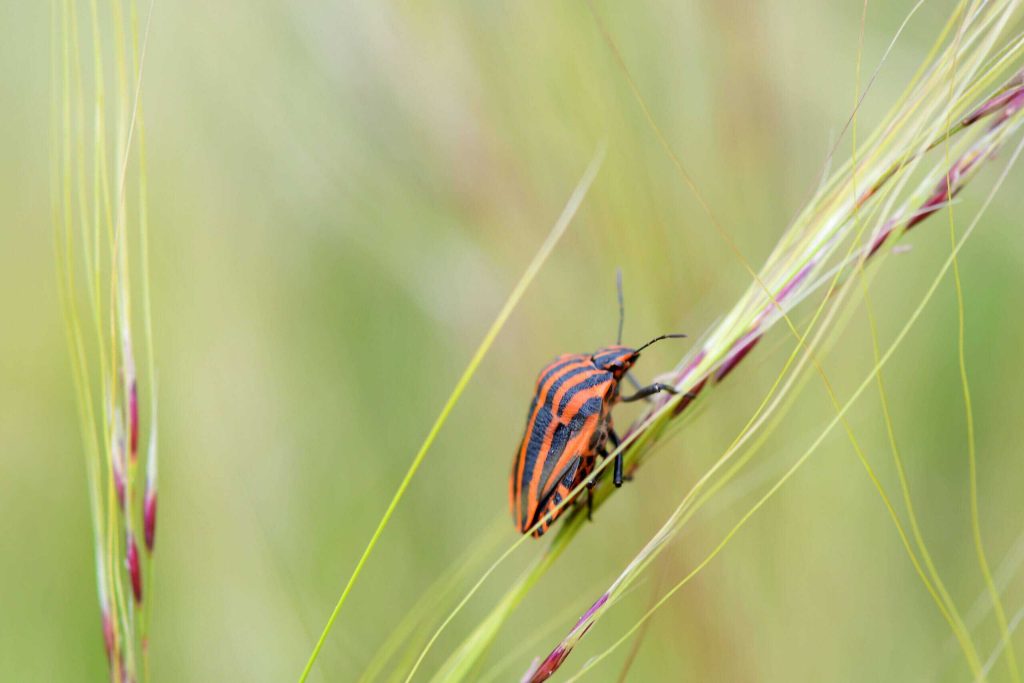
To repair St. Augustine grass damaged by chinch bugs, start by thoroughly watering and aerating the lawn to loosen compacted soil. Apply an appropriate insecticide to eliminate the bugs, then overseed or patch bare spots with healthy grass to restore your lawn’s lushness. Regular maintenance and monitoring will help prevent future infestations.
If chinch bugs have severely damaged your St. Augustine grass, prompt action is essential to save your lawn. Begin by identifying the pest and applying targeted insecticides to control the infestation. Afterward, focus on repairing the damaged areas through overseeding or patching, and maintain proper lawn care practices to promote healthy growth. With patience and the right approach, you can restore your grass to its vibrant, green state.
If chinch bugs have taken a toll on your St. Augustine lawn, don’t despair—quick intervention is key. First, identify the pests and treat your lawn with an insecticide that targets chinch bugs. Once the bugs are under control, water your lawn deeply, aerate to improve soil health, and reseed bare patches. Consistent lawn maintenance and pest monitoring will help keep your grass healthy and resilient in the future.

How to Repair St Augustine Grass from Chinch Bug Damage
Understanding Chinch Bug Infestation in St Augustine Grass
Chinch bugs are tiny insects that feed on the sap of your St Augustine grass. They are most active during warm months and can cause significant damage if not addressed promptly. When chinch bugs feed, they weaken the grass blades, leading to yellow or brown patches. Recognizing early signs of chinch bug damage is crucial to prevent widespread lawn problems. Look for small black insects with white wings, especially around the edges of damaged areas.
Identifying Signs of Chinch Bug Damage
Early symptoms include patches of grass that turn yellow or brown, especially in the warmest parts of your yard. You might also notice a wilted or spongy texture in affected areas. The damage often starts along the edges of the lawn and spreads inward. To confirm chinch bug presence, hold a white piece of cardboard underneath the grass and tap or beat it gently. If chinch bugs crawl onto the cardboard, you have an infestation.
Preparing Your Lawn for Repair
Before healing your lawn, it is essential to eliminate chinch bugs completely. Use a strong water spray or a garden hose to dislodge bugs from the grass blades. This helps reduce their numbers before applying control measures. Remove any dead, yellowed grass and debris from the lawn’s surface to encourage healthy regrowth. Aerating the soil can improve water and nutrient absorption, promoting faster recovery.
Applying Effective Treatments for Chinch Bugs
Choosing the right pest control method is key to stopping chinch bugs from causing more damage. Use insecticides specially formulated for chinch bugs, such as those containing bifenthrin or permethrin. Follow the label instructions carefully to ensure safe and effective application. For organic options, use neem oil or insecticidal soap but keep in mind they might take longer to work. Regularly monitor your lawn post-treatment to confirm chinch bugs are no longer active.
Natural and Organic Control Methods
Biological control options are safer for pets and children. Introduce natural predators like ladybugs and nematodes that feed on chinch bugs. These natural enemies help keep the pest population under control without chemicals. Apply beneficial nematodes in the early morning or late evening when temperatures are cooler for better effectiveness. Maintain a healthy lawn to enhance plants’ resistance to pests.
Proper Lawn Care to Prevent Future Chinch Bug Problems
Maintaining a healthy, thick St Augustine lawn makes it more resilient against chinch bugs. Water deeply but infrequently to promote deep root growth. Fertilize regularly with appropriate nutrients to strengthen grass health. Mow at a height of three to four inches to shade the soil and deter chinch bugs from settling. Avoid overwatering or underwatering, as both can weaken your lawn and invite pests.
Creating a Pest-Resistant Lawn
Choose cultivars of St Augustine grass that are less attractive to chinch bugs. Properly aerate and overseed your lawn annually to keep it dense. Avoid stacking thatch and debris since chinch bugs thrive in such environments. Use organic compost and soil amendments to improve soil health, aiding grass resilience.
Reseeding and Reseeding Techniques After Damage
In severely damaged areas, reseeding may be needed to restore your lawn. Select high-quality St Augustine grass seed suitable for your climate. Prepare the soil by loosening it with a rake and removing dead grass. Spread seeds evenly and water gently to promote germination. Keep the soil moist and monitor new growth consistently.
Overseeding Existing Lawn for Density and Healing
Overseeding involves spreading grass seed over your existing lawn to fill in bare patches. This process helps to reinforce the grass canopy, limiting chinch bug infestation spots. Use a slit seeder or rake to work the seed into the soil surface. Water regularly during the establishment period. A denser lawn discourages pests from settling and feeding.
Soil Testing and Amendment for Optimal Growth
Healthy soil supports strong grass roots that repel pests. Conduct a soil test to determine pH and nutrient levels. Adjust the soil with lime or sulfur to balance pH if necessary. Incorporate organic matter like compost to improve drainage and nutrient availability. Healthy soil conditions promote vigorous grass growth resistant to chinch bugs.
Monitoring and Maintenance After Repair
Regularly inspect your lawn for signs of chinch bugs or other pests. Continue watering and fertilizing as recommended for St Augustine grass. Keep the lawn well-maintained with proper mowing heights and aeration. Address any new damage immediately to prevent a recurrence of chinch bugs. Consistent lawn care reduces the chances of future infestations.
Additional Tips for a Healthy, Bug-Resistant Lawn
– Avoid excessive nitrogen fertilization, which can attract chinch bugs.
– Water early in the morning to ensure the grass dries before evening.
– Use mulch around the edges to discourage pest movement.
– Keep your lawn free of thatch buildup and debris that harbor pests.
– Consider organic lawn treatments as a sustainable pest management option.
Related Topics
How to Prevent Other Pests in Your Lawn
Learn about common pests like grubs and armyworms, and how to manage them effectively alongside chinch bugs. Proper lawn care practices help create an environment that pests dislike.
Choosing the Best Grass for Pest Resistance
Research other turfgrass varieties that naturally resist pests or require less chemical intervention. Combining resistant species with proper care can simplify pest control.
Importance of Lawn Aeration and Soil Management
A well-aerated lawn promotes healthy root systems and improves pest resistance. Regular aeration, especially after damage, helps your grass recover faster and stay healthier longer.
Using Organic Pest Control Products
Explore organic options like diatomaceous earth or essential oils that can control chinch bugs naturally. These methods are safer for pets, children, and the environment.
Implementing Eco-Friendly Lawn Practices
Reduce chemical use by employing integrated pest management strategies. Composting, natural predators, and native plant selections contribute to a sustainable, pest-resistant lawn.
Regular lawn maintenance, timely treatments, and organic practices form the foundation of a thriving, chinch bug-free St Augustine grass yard. By understanding these methods, you can effectively restore and protect your lawn for years to come.
Chinch Bug Damage in St. Augustine Grass
Frequently Asked Questions
What are effective methods to prevent chinch bugs from damaging St. Augustine grass?
To prevent chinch bugs from harming your St. Augustine grass, maintain healthy lawn practices such as proper mowing, watering, and fertilization. Keep the grass at an optimal height and avoid overwatering, which can create favorable conditions for chinch bugs. Applying insecticidal treatments proactively during peak pest seasons can also help keep chinch bugs at bay. Regularly inspect your lawn for early signs of infestation to address issues promptly.
How can I determine if chinch bugs are the cause of my grass damage?
Check for signs like irregular patches of dead or yellowing grass, especially during hot, dry weather. Lift sections of the turf to uncover chinch bugs crawling on the underside of grass blades and stems. You may also notice a small black or grayish bug movement. Soil disturbances or patches of unhealthy grass that don’t recover with watering could also indicate chinch bug activity.
What treatment options are available to repair damaged areas caused by chinch bugs?
Begin by treating the infested areas with targeted insecticides recommended for chinch bugs. Follow application instructions carefully and consider combining treatments with soil drenches for thorough coverage. Once pests are controlled, reseed or sod the affected patches to promote healthy grass growth. Ensure you maintain proper lawn care routines to support recovery and prevent future infestations.
How long does it take for St. Augustine grass to recover after chinch bug damage?
The recovery time depends on the severity of the infestation and the repair methods used. Typically, you can expect new grass to establish within a few weeks after effective treatment and repair. Regular maintenance, such as proper watering and fertilization, helps speed up recovery. If the damage is extensive, it may take a couple of growing seasons for the lawn to fully regain its lush appearance.
Final Thoughts
To repair St. Augustine grass from chinch bug damage, start by identifying the affected areas. Apply appropriate insecticides to eliminate chinch bugs and prevent further damage. Regular watering and proper fertilization will help regenerate healthy grass.
Consistent monitoring and quick action are essential for recovery. Following these steps ensures your lawn regains its health and beauty. Remember, understanding how to repair St. Augustine grass from chinch bug damage is key to maintaining a lush, vibrant yard.