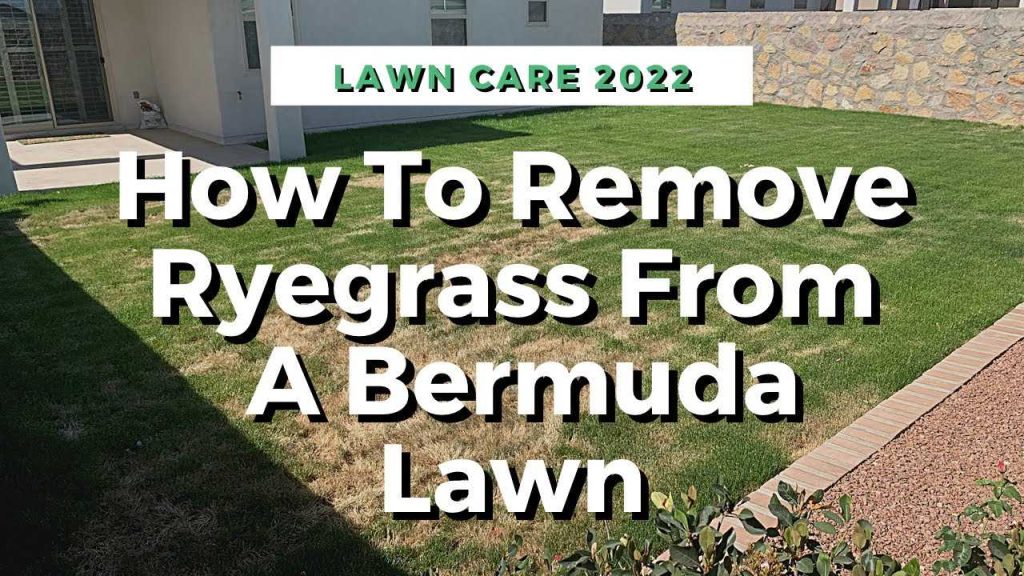
To quickly remove ryegrass from Bermuda grass, spot-treat the weeds with a selective herbicide designed for grassy weeds, and maintain a healthy Bermuda lawn to prevent future invasions. Regular mowing and proper fertilization also help keep ryegrass at bay. For more stubborn patches, manual removal combined with targeted herbicide application works best.
If you’re tired of battling ryegrass taking over your Bermuda lawn, you’re not alone. Ryegrass can quickly become invasive, turning your lush green space into a patchwork of unwanted weeds. The key to reclaiming your yard involves a combination of targeted weed control techniques and lawn care practices that promote healthy Bermuda grass growth. In this guide, we’ll explore simple yet effective strategies to eliminate ryegrass and restore your lawn’s natural beauty. You’ll learn how to identify ryegrass, choose the right treatments, and implement ongoing care to prevent its return—all without harming your Bermuda grass or disrupting your outdoor enjoyment.

How to Remove Ryegrass from Bermuda
Understanding Ryegrass and Bermuda Grass
Ryegrass and Bermuda grass are common types of lawn grasses, but they do not grow well together. Ryegrass tends to invade Bermuda lawns, especially during cooler months. Recognizing the differences helps in planning effective removal strategies. Bermudagrass is warm-season grass, while ryegrass is a cool-season grass, making their coexistence a challenge.
Why Ryegrass Takes Over Bermuda Lawns
Ryegrass often appears in Bermuda lawns because it germinates quickly and spreads fast. It thrives in cooler weather, providing a temporary green cover when Bermuda goes dormant. Sometimes, ryegrass can choke out Bermuda if not controlled early. Understanding why ryegrass appears helps in preventing re-infestation after removal.
Prevention Is Better Than Cure
Maintaining a healthy Bermuda lawn can prevent ryegrass invasion. Proper mowing, fertilizing, and watering keep Bermuda vigorous enough to resist weeds. Use high-quality lawn fertilizers to promote dense root growth. Aerating the soil regularly helps Bermuda grass establish better, making it harder for ryegrass to take hold.
Choosing the Right Time to Remove Ryegrass
Timing is crucial for successful ryegrass removal. The best period is during late winter to early spring when ryegrass is actively growing but before it matures fully. Removing ryegrass at this stage ensures easier eradication and reduces chances of regrowth. Additionally, plan your removal before ryegrass seeds disperse in late spring.
Physical Removal Techniques
Physical removal involves manually removing ryegrass from your Bermuda lawn. Use a sharp rake to pull up ryegrass clumps carefully. For smaller infestations, hand pulling can be effective, especially when combined with soil loosening. Regular raking also prevents ryegrass from establishing deeper roots.
Tools Needed for Mechanical Removal
- Garden rake or dethatching rake
- Hand trowel or garden fork
- Garden scissors or shears (for trimming)
Using these tools helps in loosening soil and pulling out ryegrass with minimal disturbance to Bermuda grass.
Chemical Control Methods
Applying herbicides is a common method to eliminate ryegrass. Selective herbicides target ryegrass without harming Bermuda grass. It’s important to follow the manufacturer’s instructions carefully to avoid damaging your lawn. Always apply herbicides when ryegrass is actively growing for best results.
Types of Herbicides for Ryegrass Removal
| Herbicide Type | Active Ingredients | Use |
|---|---|---|
| Selective Herbicides | Glyphosate, Fluazifop-P-butyl | Target ryegrass specifically, safe for Bermuda if applied carefully |
| Non-Selective Herbicides | Roundup (Glyphosate) | Kill all plants; use carefully to avoid Bermuda grass damage |
Application Tips for Herbicides
- Apply on a dry, calm day to prevent spray drift
- Mix herbicides precisely according to label instructions
- Spot-treat ryegrass patches rather than spraying the entire lawn
- Water the lawn after application if recommended by the product label
Selective Over-Seeding and Lawn Care
Over-seeding Bermuda grass with a cool-season grass like ryegrass can sometimes help control its spread. However, if ryegrass becomes invasive, over-seeding may be counterproductive. Focus on promoting Bermuda health through proper fertilization and mowing to make it resistant to ryegrass invasion.
Fertilizing for a Healthy Bermuda Lawn
Use a nitrogen-rich fertilizer suited for Bermuda grass. Fertilize regularly but avoid overdoing it, which can encourage weed growth. Proper fertilization promotes dense grass that naturally suppresses weeds and ryegrass.
Mowing Practices to Control Ryegrass
Keep Bermuda grass mowed to the recommended height of approximately 1.5 to 2 inches. Mowing at this height promotes thick growth and reduces space for ryegrass seeds to settle. Use a sharp mower blade for clean cuts that encourage healthy turf growth.
Soil Management and Aeration
Healthy, well-drained soil is essential for Bermuda grass to outcompete weeds like ryegrass. Aerate the lawn annually to improve soil aeration and root penetration. This process reduces soil compaction and creates an environment less hospitable to ryegrass.
Adjusting Soil pH and Nutrients
Test your soil regularly and amend it to maintain an optimal pH level of about 6.0 to 6.5. Correct deficiencies with lime or sulfur as needed. Balanced nutrients strengthen Bermuda grass, giving it the upper hand over ryegrass.
Long-Term Control Strategies
Consistency in lawn maintenance is key to preventing ryegrass from returning. Keep up with regular mowing, fertilizing, and soil care to produce a dense Bermuda turf. Removing ryegrass patches as soon as they appear prevents their spread and helps maintain a healthy lawn.
Monitoring and Maintenance
Regularly inspect your lawn for new ryegrass patches. Early detection allows for prompt removal before the grass competes with Bermuda. Maintain a routine that includes aeration, fertilization, and proper watering.
Related Topics for Better Lawn Management
- Best fertilizers for Bermuda grass
- How to improve drainage in your lawn
- Choosing the right mowing height for Bermuda
- Seasonal lawn care tips for warm-season grasses
- Dealing with other common lawn weeds
Summary
Controlling ryegrass in Bermuda lawns requires a combination of timely physical removal, targeted herbicide application, and ongoing lawn care practices. By understanding the growth habits of both grasses, you can implement strategies that minimize ryegrass re-infestation. Maintaining a healthy, dense Bermuda turf is your best defense against these unwanted grasses. Regular monitoring and consistent lawn maintenance ensure your Bermuda stays lush clean, and free of ryegrass invasion.
How To Remove RyeGrass From A Bermuda Lawn
Frequently Asked Questions
What are effective methods to eliminate ryegrass from a Bermuda grass lawn?
To effectively remove ryegrass from a Bermuda grass lawn, start by manually pulling out the ryegrass during its early growth stages to prevent it from spreading further. Apply a selective herbicide designed for cool-season grasses that targets ryegrass without harming Bermuda grass. Make sure to follow the product instructions carefully and apply during the active growth period for best results. Regular lawn maintenance, such as proper mowing and fertilization, helps strengthen Bermuda grass and reduces the chances of ryegrass invasion.
When is the best time to treat ryegrass in Bermuda grass terrains?
The optimal time to treat ryegrass in Bermuda grass lawns is during its early emergence in the fall or late summer. During this period, ryegrass is actively growing and more susceptible to herbicide application. Avoid treating during the peak heat of summer or during dormancy in winter, as these times can decrease the effectiveness of the control methods and may harm your Bermuda grass. Consistent monitoring allows you to catch ryegrass infestations early and address them promptly.
Can overseeding Bermuda grass help suppress ryegrass growth?
Overseeding Bermuda grass with a dense, healthy turf can help suppress ryegrass by crowding it out and reducing available space for germination. Focus on maintaining proper mowing height, watering, and fertilization to encourage thick Bermuda grass growth. Although overseeding alone may not eradicate ryegrass completely, it can significantly diminish its presence when combined with targeted herbicide treatments and proper lawn care practices.
What precautions should I take when applying herbicides to remove ryegrass from Bermuda grass?
Before applying herbicides, test a small area to ensure Bermuda grass tolerates the product without damage. Follow the manufacturer’s instructions regarding dosage and timing precisely, and avoid applying herbicides during high temperatures or drought conditions, which can stress your lawn. Wear protective gear during application and keep children and pets off the treated areas until the herbicide dries completely. Regularly monitor your lawn afterward to assess effectiveness and prevent ryegrass from re-establishing.
Are there natural or organic options to control ryegrass in Bermuda lawns?
Natural options include manually removing ryegrass or encouraging healthy Bermuda grass through proper lawn maintenance, such as regular mowing and fertilization. Some organic herbicides containing vinegar or citrus oils may offer limited control but are generally less effective against established ryegrass. Consistent cultural practices—like overseeding, aeration, and maintaining proper soil pH—can help create a competitive environment that discourages ryegrass growth without relying on chemical treatments.
Final Thoughts
Removing ryegrass from Bermuda requires a strategic approach. Start by identifying the ryegrass patches early to prevent spread. Use a selective herbicide specifically designed for ryegrass, applying it carefully to avoid damaging Bermuda grass. Regular mowing and proper fertilization can also weaken ryegrass growth.
Consistent maintenance and targeted treatments will effectively control ryegrass. Knowing how to remove ryegrass from Bermuda helps keep your lawn healthy and uniform. Follow these steps, and you’ll maintain a lush, green Bermuda turf free of unwanted ryegrass.