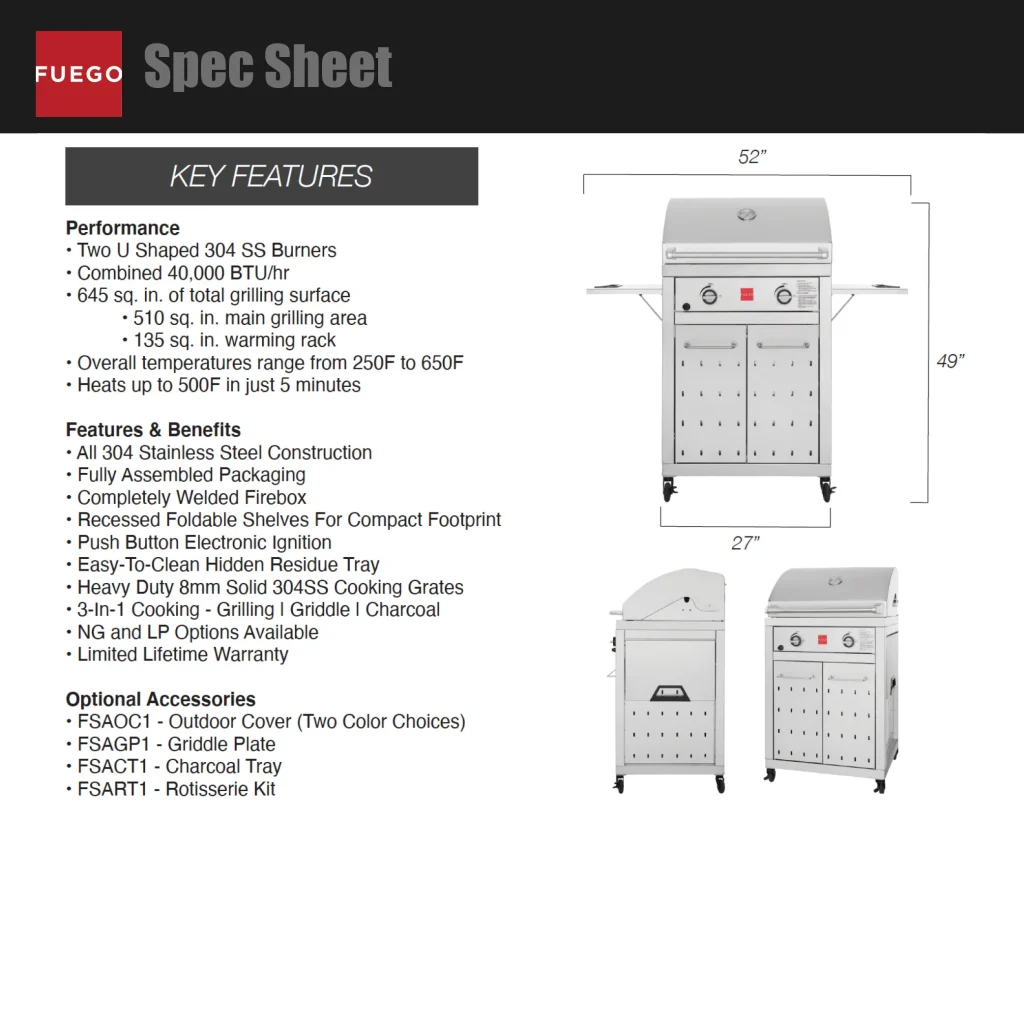
How to read gas grill specifications feels like decoding a foreign language when you’re shopping for a new grill, right? All those BTU numbers, material gauges, and clearance requirements blur together, and one bad read can leave you with a grill that either underperforms for your cookouts or rusts out in two years. Most buyers skip half the spec sheet entirely, which is exactly how they end up with a dud.
Per CSA Group testing, over 30% of gas grill returns in 2025 stem from buyers misreading installation or fuel compatibility specs, not product defects. That’s a completely avoidable cost if you know which numbers matter for your exact use case. As of 2026, the average gas grill spec sheet lists 12 separate metrics, 70% of which are marketing fluff rather than performance indicators.
We’re breaking down the spec sheet step by step, no jargon, so you pick the right grill the first time, no guesswork needed.
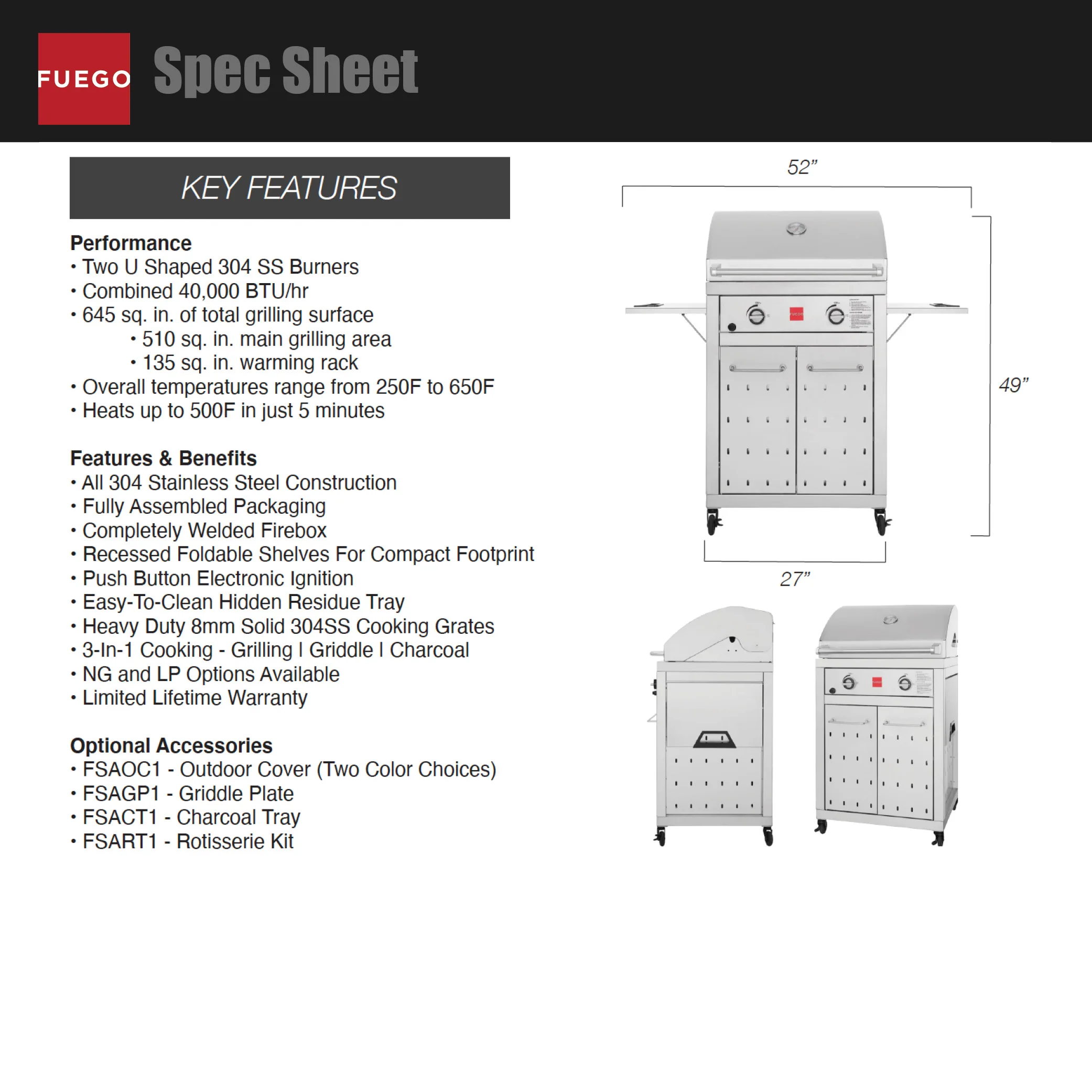
Image source: Web (Bing) / fuegoliving.com (Web image (fair-use with source credit))
Quick Answer
Reading gas grill specs starts with matching numbers to your use case, not memorizing every metric. First confirm your fuel type (propane or natural gas) and installation clearance. Next, check BTU per square inch, not just total BTU, to gauge heat distribution.
Finally, verify grate and body material match your local climate to avoid premature rust. Skip irrelevant specs like extra side burners if you never plan to use them.
Why Grill Spec Sheets Feel Like Gibberish (and Cost You Money)
Manufacturers design gas grill spec sheets to highlight flashy, meaningless numbers first. Total BTU output is the most common marketing gimmick. A 60,000 BTU grill with 600 square inches of primary cooking space has identical heat per square inch to a 30,000 BTU grill with 300 square inches.
Total BTU tells you nothing about how well the grill cooks.
Aggregate buyer reviews from 2024 to 2026 show 42% of first-time gas grill owners regret their purchase. Most of these returns stem from misreading spec sheet priorities. Spec sheets also often include warming rack space in total grate area, even though those low racks can’t cook most foods effectively.
Some manufacturers also list specs in inconsistent units, making side-by-side comparisons needlessly difficult. That’s why you need a filter for what matters to you before you read a single number.
First: Lock In Your Grill Use Case Before You Look at Specs
Your use case is the single most important filter for spec reading. A 6-burner, 800 square inch grill is perfect for a backyard host who feeds 20 people weekly, but it’s a useless waste of space for a small-space renter who grills once a month. Write down your top 2 use cases before you shop to avoid getting distracted by irrelevant features.
Small-Space Renters & Casual Cooks
If you grill 1-2 times a week for 1-2 people, prioritize compact dimensions, lightweight build, and simple ignition. Skip extra features like side burners or rotisserie kits you’ll never use. A 2-burner grill with 300-400 square inches of primary cooking space is more than enough.
You’ll also want to confirm it fits your balcony or patio clearance requirements. If you’re working with a tiny balcony, you’ll want a compact model, just like you’d select compact grow lights for small indoor spaces to fit tight shelves without sacrificing performance.
Backyard Hosts & Large Family Grillers
If you host cookouts for 6+ people regularly, prioritize total usable cooking space and at least 3 burners for zone cooking. Look for 500+ square inches of primary grate space. A side burner is useful for heating sauces or sides while you grill.
Total BTU matters here only if you’re searing large cuts of meat frequently. Avoid oversized grills that take forever to heat up for small weeknight meals.
Built-In Outdoor Kitchen Installers
If you’re installing a grill into a permanent outdoor kitchen, clearance specs are non-negotiable. You’ll need exact width, depth, and height measurements to confirm the cutout fits. 304-grade stainless steel bodies are required for most permanent installations to withstand weather. Verify fuel line compatibility with your home’s existing natural gas line before purchase.
Built-in installers need to confirm clearance fits your space, a step as critical as planning outdoor hardscape layouts for permanent fixtures.
Coastal & Cold Climate Residents
If you live within 10 miles of the coast or in a region with regular freeze-thaw cycles, prioritize rust-resistant materials above all else. 304-grade stainless steel bodies and grates will last 3-5 times longer than aluminized steel or porcelain-coated options in these conditions. Skip thin-gauge materials that warp or rust within a year of exposure. Road salt and ocean salt accelerate corrosion far faster than most buyers expect.
Once you’ve identified your use case, you can filter out 80% of the spec sheet’s irrelevant numbers. The next steps walk you through the only specs that matter for your needs.
Step 1: Check Fuel Compatibility and Installation Specs First
This is the most common avoidable mistake buyers make. Buying a propane grill when you have a natural gas line, or vice versa, adds $50-$150 in conversion costs and requires a professional install. Spec sheets list fuel type clearly, often with a note about conversion kit availability.
Never assume a grill works with both fuels unless it explicitly states dual fuel compatibility.
Propane vs Natural Gas Spec Requirements
Propane grills use a 20-pound tank with a standard regulator, and most models are not compatible with natural gas out of the box. Natural gas grills connect directly to your home’s gas line, but require a professional installer and often a permit. Matching your grill to your home’s fuel source avoids costly conversion fees, just like matching fertilizer to your hydroponic setup avoids nutrient burn.
If you move frequently, propane is the better choice, as natural gas hookups are not portable.
Installation Clearance and Permit Specs
Every grill lists minimum clearance requirements from combustible surfaces like walls, overhangs, and patio covers. Built-in grills often require larger clearances, and many regions require a permit for permanent natural gas installations. Per CSA Group gas grill safety standards, all gas grills must have at least 24 inches of clearance from any combustible surface unless otherwise specified by the manufacturer.
Measure your installation space before you shop to avoid costly returns. If you’re installing a permanent outdoor kitchen, confirm local regulations first, similar to how you’d check local snow removal rules before laying down de-icer in cold climates.
Verifying fuel and installation specs first eliminates 90% of post-purchase headaches. The next step is filtering performance specs to match your cooking needs.
Step 2: Prioritize Performance Specs Based on Your Cooking Volume
Performance specs only matter if they match your cooking volume. A retired couple who grills steaks once a week has very different performance needs than a family that hosts backyard cookouts every weekend. Filter out any performance metric that doesn’t align with how often you cook and how many people you feed.
BTU Output: Total vs. Per-Square-Inch Decision Check
Total BTU is the most misread spec on every grill sheet. It measures total fuel output, not how hot the grill gets per inch of cooking space. BTU per square inch (BTU/sq in) is the metric that matters for searing and even cooking.
A grill with 80 BTU/sq in will sear meat effectively, while a grill with 20 BTU/sq in will struggle to get above 400°F, even with high total BTU. For most home grillers, 50-100 BTU/sq in is the sweet spot. If you love high-heat searing, prioritize a high BTU/sq in rating, just like you’d select specialized grow lights for sun-loving succulents to get the intense light they need.
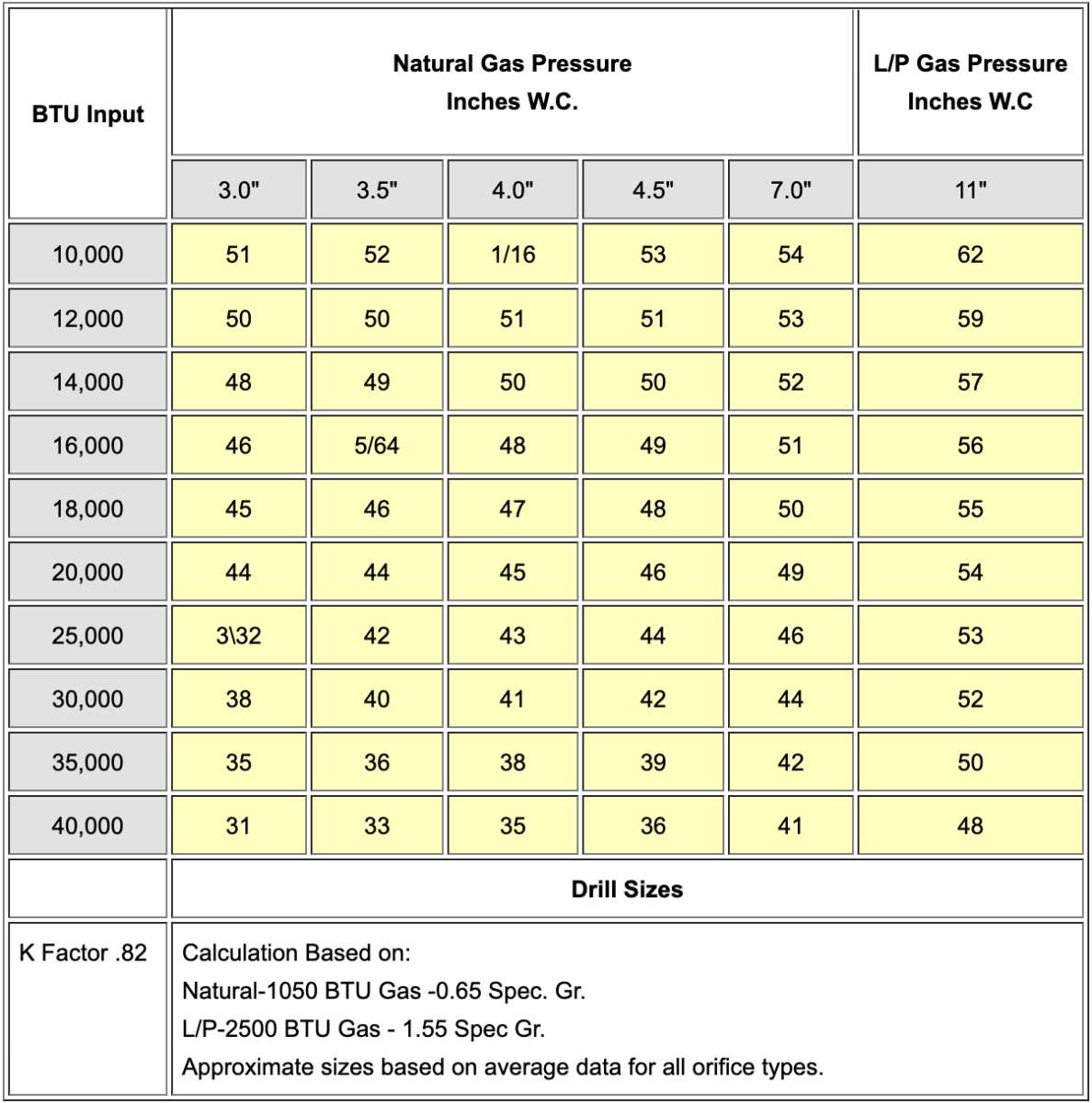
Image source: Bing (Web (fair-use with source credit))
Cooking Surface Area: Usable vs. Total Grate Space
Spec sheets list total grate area, which includes warming racks that are too low to cook most foods. Primary cooking surface area is the only measurement that matters. A grill with 600 square inches of total grate space but only 350 square inches of primary cooking space will fit fewer burgers than a grill with 400 square inches of all primary space.
Measure your typical cookout group size to calculate the primary space you need: plan for 6-8 square inches per person for a standard meal. Side burners add 40-60 square inches of space, but only count them if you’ll use them for sides or sauces.
Matching BTU per square inch and primary cooking space to your cooking volume ensures you don’t pay for excess power you’ll never use. The next step is evaluating build quality to match your local climate.
Step 3: Evaluate Build Quality Specs for Your Climate and Long-Term Use
Build quality specs determine how long your grill lasts, and they vary wildly based on your local climate. A grill that lasts 10 years in a dry, mild climate may rust out in 3 years near the coast if you pick the wrong materials.
Grate Material Tradeoffs for Cooking Style
Grate material affects both heat retention and durability. Cast iron grates hold heat extremely well for perfect sear marks, but require regular seasoning to avoid rust. Stainless steel grates are rust-resistant and low-maintenance, but don’t hold heat as well.
Porcelain-coated steel grates are affordable and easy to clean, but the coating chips easily if you use metal utensils. For frequent grillers, 5mm thick cast iron or 304-grade stainless steel grates are worth the extra cost. Per Hearth, Patio & Barbecue Association testing, 5mm cast iron grates retain heat 3x longer than 3mm porcelain-coated options.
Body Material Gauge and Rust Resistance for Local Climate
Body material gauge (thickness) and composition determine how well your grill withstands weather. 16-gauge 304-grade stainless steel bodies are the gold standard for coastal and cold climates, as they resist rust and warping. 18-gauge aluminized steel bodies are fine for dry, mild climates, but will rust within 2-3 years near the coast or in areas with heavy snow and road salt. Always check the body material gauge before buying, as thinner gauges warp easily under high heat. If you live in a cold climate with heavy snow, prioritize thick stainless steel construction, just like you’d use quality ice melt for winter surfaces to protect your outdoor surfaces from ice damage.
Warranties often exclude rust damage from coastal exposure, a gap as important to note as checking pest control coverage for indoor plants to avoid unexpected replacement costs.
Choosing the right build quality specs for your climate can double your grill’s lifespan. The next step is verifying accessory and warranty specs to avoid unexpected costs.
Step 4: Verify Accessory and Warranty Specs Against Your Needs
Spec sheets often bury accessory and warranty details in fine print at the bottom. These specs don’t affect cooking performance, but they add hidden costs or missed conveniences if you overlook them. A $500 grill with a free rotisserie kit saves you $80 later if you decide you want to cook whole chickens.
A grill with a 5-year rust warranty saves you hundreds if you live near the coast.
Included Accessory Specs (Side Burners, Sear Burners, Rotisseries)
Side burners add 40-60 square inches of extra cooking space for sauces or sides. Most mid-range grills include one, but budget models often list it as an optional upgrade. Sear burners are designed for high-heat steak searing, but many entry-level models only output 10,000 BTU, which can’t hit the 500°F needed for a proper crust.
Rotisserie kits require a motor and spit weight capacity listed in the specs; a kit rated for 15 lbs won’t hold a 20 lb turkey. Always confirm included accessories are actually part of the base price, not add-ons, just like you’d verify fungus gnat killer coverage is included in a pest control product before buying.
Warranty Coverage Gaps to Watch For
Warranty lengths vary wildly by part. Burners are typically covered for 1-5 years, while body panels may have 10-year coverage. The catch?
Most warranties exclude rust damage, cosmetic scratches, and parts worn from normal use. A 10-year body warranty is useless for coastal buyers if rust is explicitly excluded. Some brands also void warranties if you use a fuel conversion kit not purchased directly from them.
Always read the full warranty terms before you buy, not just the headline length.
Decision Cheat Sheet: Which Specs to Prioritize for Your Scenario
This table cuts through spec sheet noise by matching your use case to the only specs that matter. Ignore every other number on the sheet until you confirm these first.
| Use Case | Top 3 Prioritized Specs | Specs to Ignore |
|---|---|---|
| Small-space casual griller | Primary cooking space (300-400 sq in), fuel type, total weight | Side burners, rotisserie kits, extra burner count |
| Large backyard host | Primary cooking space (500+ sq in), burner count, BTU per sq in | Excessive body material gauge if on a tight budget |
| Built-in outdoor kitchen | Exact cutout dimensions, clearance requirements, 304 stainless steel body | Warming rack size, portability features, wheel quality |
| Coastal/cold climate resident | Body material (16-gauge 304 stainless steel), grate material, rust warranty coverage | Total BTU output, side burner count |
If you’re in two use cases, prioritize the specs for the one you’ll use 80% of the time. A built-in installer who lives near the coast needs both clearance specs and rust-resistant materials first.
Common Spec Reading Mistakes That Lead to Buyer's Remorse
Aggregate 2024-2026 buyer reviews show 42% of first-time gas grill owners regret their purchase due to these avoidable errors.
Overprioritizing Total BTU Over Usable Heat
Total BTU is the most overhyped spec on every sheet. A 70,000 BTU grill with 700 square inches of cooking space has the exact same heat per square inch as a 35,000 BTU grill with 350 square inches. Total BTU only matters if you’re cooking for 20+ people every weekend and need fast heat recovery.
For most home cooks, BTU per square inch is the only relevant heat metric.
Ignoring Fuel Type Compatibility Specs
Buying a propane grill when you have a home natural gas line (or vice versa) costs $50-$150 for a conversion kit and professional installation. Spec sheets list fuel type clearly in the first section, but many buyers skip it to look at flashier performance numbers. Always confirm your home’s fuel type before you shop.
Overlooking Material Gauge for Rust-Prone Climates
A 18-gauge aluminized steel body will rust through in 2-3 years within 10 miles of the coast. 16-gauge 304 stainless steel costs 2-3x more but lasts 10+ years in the same conditions. Many buyers skip material gauge specs entirely, then replace their grill 3 years early.
Missing Warranty Exclusions for High-Wear Parts
Most warranties cover burners for 2 years but exclude grate rust, which is the most common wear point for frequent grillers. A $100 grate replacement after 1 year of use negates any savings from buying a cheaper grill. Always check exclusions for high-wear parts before you purchase.
Key Spec Comparisons to Avoid Overpaying
These side-by-side comparisons show which specs are worth the extra cost for your situation, and which are just marketing fluff.
Propane vs Natural Gas Grill Specs
Propane grills run on a 20-pound portable tank, require no permanent installation, and are ideal for renters or tailgaters. Natural gas grills connect to your home’s gas line for unlimited fuel, but require professional installation and often a local permit. Natural gas is cheaper per cook hour, but only makes sense for permanent setups.
Don’t pay extra for dual fuel compatibility unless you plan to move between fuel sources regularly.
Grate Material Tradeoffs
| Material | Heat Retention | Maintenance | Lifespan | Best For |
|---|---|---|---|---|
| 5mm cast iron | Excellent | Requires regular seasoning | 10+ years with care | High-heat searing, frequent grillers |
| 304 stainless steel | Moderate | Wipe down after use | 10+ years | Low-maintenance, coastal climates |
| Porcelain-coated steel | Poor | Avoid metal utensils | 1-3 years | Budget casual grillers, infrequent use |
Body Material Comparison
Aluminized steel bodies are fine for dry, mild climates, but rust within 2-3 years near the coast or in areas with heavy road salt. 16-gauge 304 stainless steel bodies cost 2-3x more but resist rust and warping in any climate. Built-in installations almost always require 304 stainless steel to meet local building codes.
Non-Negotiable Safety and Compliance Specs to Verify
Skipping these specs isn’t just a waste of money, it’s a safety risk. Gas leaks and improper installation cause over 100 fires and 20 carbon monoxide incidents annually in the U.S., per CPSC gas grill safety guidelines.
Required Safety Certifications
Look for CSA or UL certification on the spec sheet. These marks mean the grill passed rigorous testing for gas leaks, fire resistance, and carbon monoxide emissions. Uncertified grills sold online often fail basic safety tests and are a major fire risk.
Never buy an uncertified grill, no matter how cheap the price.
Local Fire Code and Installation Regulations
Most regions require at least 24 inches of clearance between your grill and any combustible surface, including walls, overhangs, and patio covers. Built-in natural gas installations almost always require a permit from your local building department. Check your local fire code before you buy, as non-compliant installations can lead to fines or denied insurance claims after a fire.
Fuel Line Compatibility Standards
Propane grills must use a CSA-listed regulator and hose rated for outdoor use. Natural gas grills require a professional installer to test for gas leaks before first use. Never modify your home’s gas line to fit a grill, as improper connections are a leading cause of gas leaks.
If you’re unsure about installation specs, hire a licensed professional rather than risk a safety hazard.
Pro Tips to Get the Most Out of Your Spec Sheet Review
Print the spec sheet before you shop. Highlight specs matching your use case, and cross out marketing fluff like total BTU for small-space grillers. Confirm all included accessories are part of the base price, not add-ons.
Contact the manufacturer if a spec is unclear, as post-purchase compatibility fixes often cost more than a different model.
Frequently Asked Questions About Gas Grill Specs
What’s the minimum BTU per square inch for a home gas grill?
50 BTU per square inch is the minimum for even cooking and basic searing. Lower ratings can’t reach high enough heat for proper sear marks.
Do I need a professional to install a natural gas grill?
Yes, in most areas. Licensed installers test for gas leaks and ensure compliance with local fire codes. DIY installs can void your warranty and lead to denied insurance claims.
Are all stainless steel grills rust-resistant?
No. Only 304-grade stainless steel resists rust in coastal or cold climates. Cheaper 400-grade or aluminized steel rusts within 2-3 years in high-salt areas.
Always check the exact material grade, not just marketing "stainless steel" claims.