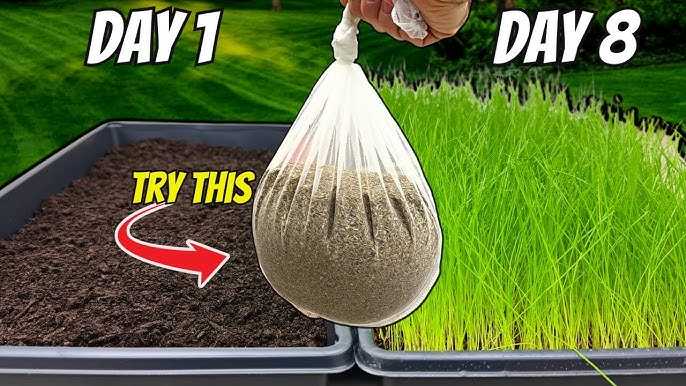
To ensure your ryegrass seeds sprout quickly and grow lushly, start by preparing the soil thoroughly, spreading the seeds evenly, and keeping the area consistently moist. A little patience and proper care go a long way in establishing a healthy ryegrass lawn. In short, to put down ryegrass seed successfully, prepare the soil, sow the seeds uniformly, and maintain proper watering until they take root.
Getting your lawn to thrive with ryegrass starts right at the moment you decide to plant it. Properly seeding ryegrass isn’t just about scattering seeds randomly; it’s about creating the perfect environment for growth. First, choose a suitable time—preferably in early fall or spring when temperatures are mild. Clear the area of debris, weeds, and existing grass, then loosen the soil and add some compost for nourishment. Once the soil is ready, spread the seeds evenly using a spreader or by hand, and lightly rake them into the soil. Consistent moisture is key in the early days, so keep the soil moist but not soaked until the seeds germinate and grow strong. With proper preparation and care, you’ll see your ryegrass flourish in no time.

How to Put Down Ryegrass Seed
Planting ryegrass seed properly helps ensure a lush, healthy lawn that lasts. Getting the timing, preparation, and planting details right makes all the difference.
Understanding Ryegrass and Its Benefits
Ryegrass is a popular choice for many lawns because it grows quickly and stays green all year round. It can tolerate cold weather, making it ideal for various climates. Additionally, ryegrass is excellent for repairing damaged grass areas and providing quick ground cover.
Before planting, it’s good to know the different types of ryegrass. Perennial ryegrass is the most common for lawns, while annual ryegrass is often used for temporary cover or overseeding. Each type has specific planting needs, which will be discussed later.
Choosing the Right Time to Sow Ryegrass Seed
Timing is crucial for successful ryegrass planting. The best time to put down ryegrass seed depends on your climate and the type of ryegrass. Generally, plant in early fall or spring for optimal results.
Fall planting allows ryegrass to establish before winter, while spring planting gives it time to grow before summer heat. Avoid planting during extreme weather conditions such as heavy rain or drought, which can hinder seed germination.
Preparing the Soil for Ryegrass Seed
Soil Testing and pH Adjustment
Start by testing your soil to check its pH level. Ryegrass prefers slightly acidic to neutral soil with a pH of 6.0 to 7.0. Based on test results, amend the soil with lime or sulfur as needed to balance pH.
Clearing and Leveling the Area
Remove any debris, weeds, or old grass from the area. Use a rake or lawn edger to level the soil surface. A smooth, even surface promotes uniform seed contact and healthy growth.
Improving Soil Quality
If your soil is compacted or poor in nutrients, consider adding compost or topsoil. These amendments boost soil fertility and improve drainage, creating the ideal environment for ryegrass seeds to sprout.
Selecting the Best Ryegrass Seed
Choose high-quality seed for best results. Look for seeds that have high germination rates and are free from weeds or disease. Check packaging for the percentage of pure live seed and germination percentage.
Decide between perennial and annual ryegrass based on your lawn’s needs. For a permanent lawn, perennial ryegrass is ideal. For temporary ground cover, annual ryegrass works well and establishes quickly.
Applying Ryegrass Seed Properly
Seeding Techniques
Use a broadcast spreader or drop spreader to evenly distribute the seed. For small areas, hand scattering can work but be sure to spread the seed uniformly.
Follow the recommended seeding rate on the seed packaging. Typically, ryegrass seed is spread at a rate of 15 to 20 pounds per 1000 square feet, but check your specific seed’s instructions.
Seeding Depth and Coverage
Sprinkle the seed on the soil surface or lightly rake it into the soil. The ideal planting depth is less than half an inch. Covering the seed lightly ensures good soil contact and protection from birds.
Rolling or Raking the Seed
After spreading, use a roller or gently rake the area to press the seed into the soil. This step improves seed-to-soil contact, which is essential for germination.
Watering and Maintaining Moisture
Initial Watering
Keep the soil consistently moist but not waterlogged. Water lightly after planting to encourage germination. During the first two weeks, regular watering ensures the seed stays moist for optimal growth.
Establishing a Watering Schedule
Water once or twice daily if no rainfall occurs. As seedlings grow, reduce watering frequency but increase depth to promote deeper roots. Use a gentle spray or sprinkler to avoid washing away the seeds.
Additional Tips for Successful Ryegrass Planting
- Overseed existing lawns with ryegrass to fill in bare patches.
- Avoid mowing until the ryegrass is at least three inches tall.
- Apply a starter fertilizer designed for cool-season grasses for quick growth.
- Monitor for weeds or pests that may compete with ryegrass seedlings.
Common Mistakes to Avoid When Planting Ryegrass Seed
- Applying seed during extreme weather conditions such as heavy rain or drought.
- Planting too deep or too shallow, which can hinder germination.
- Not preparing the soil properly, leading to poor seed-to-soil contact.
- Failing to water consistently during the germination period.
Maintaining and Growing Ryegrass
Once established, ryegrass requires regular mowing, fertilization, and watering. Keep the grass at a height of around three inches for healthy growth. Fertilize periodically with a balanced fertilizer to promote lush foliage.
Proper maintenance ensures your ryegrass lawn remains dense, green, and weed-free. Overseeding annually helps maintain thickness and vigor, especially in high-traffic areas.
Related Topics
Thinking about combining ryegrass with other grasses? Consider overseeding with Kentucky bluegrass or fescue for mixed lawns. Additionally, aerating the soil annually can improve drainage and root growth.
For best results, stay consistent with watering, mowing, and fertilizing. Proper care extends the life and beauty of your ryegrass lawn for years to come.
Grass & Lawn Maintenance : How to Plant Rye Grass Seed
Frequently Asked Questions
What are the best conditions for spreading ryegrass seed effectively?
Ensure the soil is moist and well-prepared before spreading the seed. Choose a time when the weather is cool and there is no immediate forecast of heavy rain or drought. Proper soil temperature, typically between 50°F and 75°F, encourages good germination. Clear the area of debris and weeds to give the seeds the best chance to establish roots.
How should I prepare my soil prior to seeding ryegrass?
Start by removing any existing grass, weeds, or debris from the area. Loosen the soil using a rake or tiller to improve aeration and nutrient absorption. Incorporate compost or a balanced fertilizer to boost soil fertility. Rake the surface smooth and level to ensure even seed distribution and good contact with the soil.
What is the most effective method to spread ryegrass seed evenly?
Use a broadcaster or drop spreader to distribute the seed uniformly across the area. For larger sections, a rotary spreader can help achieve consistent coverage. Apply the seed in two passes—one in one direction and another at a right angle—to prevent clumping and ensure even distribution. Lightly rake the area afterward to press the seeds into the soil.
How can I improve seed-to-soil contact after planting?
Lightly raking the area after spreading the seed helps press the seeds into the soil, improving contact. Alternatively, you can lightly roll the surface with a lawn roller to ensure good seed-to-soil contact. This step is crucial for encouraging germination and steady seedling growth.
How often should I water after planting ryegrass seed?
Keep the soil consistently moist by watering lightly but frequently, ideally two to three times daily during the first couple of weeks. This prevents the soil from drying out and supports germination. Once seedlings establish, gradually reduce watering frequency while maintaining soil moisture to promote healthy growth.
Final Thoughts
To put down ryegrass seed effectively, start by preparing the soil. Clear debris and loosen the topsoil to promote seed contact and growth. Spread the seed evenly across the area, using either a broadcast spreader or by hand for smaller patches.
Next, lightly rake the area to ensure the seeds are just beneath the soil surface. Water thoroughly to settle the soil and provide moisture for germination. Keep the soil consistently moist until the grass establishes.
In conclusion, when it comes to how to put down ryegrass seed, proper soil preparation and consistent watering are key. Follow these steps for successful germination and a healthy new lawn.