Quick answer: To reassemble a Honda lawn mower carburetor, carefully clean all parts, replace faulty gaskets, and follow the disassembly steps in reverse, ensuring all screws are tight and the linkage is correctly aligned. Taking your time and organizing small parts will make the process smoother.
Putting a Honda lawn mower carburetor back together might seem daunting, but with patience and methodical steps, it becomes manageable. First, ensure all components are clean and free of debris, which is crucial for proper operation. Next, reassemble the parts in the reverse order of disassembly, paying close attention to gasket placement and screw tightness. Confirm that the throttle and choke linkages are properly aligned, as improper assembly can cause running issues. Taking notes or photos during disassembly can be a big help. Lastly, double-check all connections before installing the carburetor back onto the mower. With these tips, you’ll have your mower running smoothly again in no time!

How to Put a Honda Lawn Mower Carburetor Back Together
Gathering Your Tools and Parts
Before starting the reassembly process, collect all necessary tools and parts. You will typically need screwdrivers, pliers, a carburetor cleaner, fresh gaskets, and the carburetor kit. Having a clean workspace is essential to avoid losing small parts and to keep everything organized.
Understanding the Disassembly Process
It’s important to know how the carburetor was taken apart. Usually, you’ll remove screws, disconnect fuel lines, and take out components like the throttle and choke linkages. Make sure you remember the order in which parts came off to simplify reassembly.
Cleaning the Carburetor Components
Prior to putting the carburetor back together, thoroughly clean all parts. Use carburetor cleaner to remove dirt, varnish, and fuel residue. Pay close attention to tiny openings, jets, and passages, as clogs can cause engine problems.
Inspecting Parts for Damage or Wear
Check all parts for cracks, corrosion, or warping. Replace any damaged gaskets, seals, or other components with new ones from your carburetor kit. Damaged parts can lead to poor engine performance or fuel leaks.
Replacing Gaskets and Seals
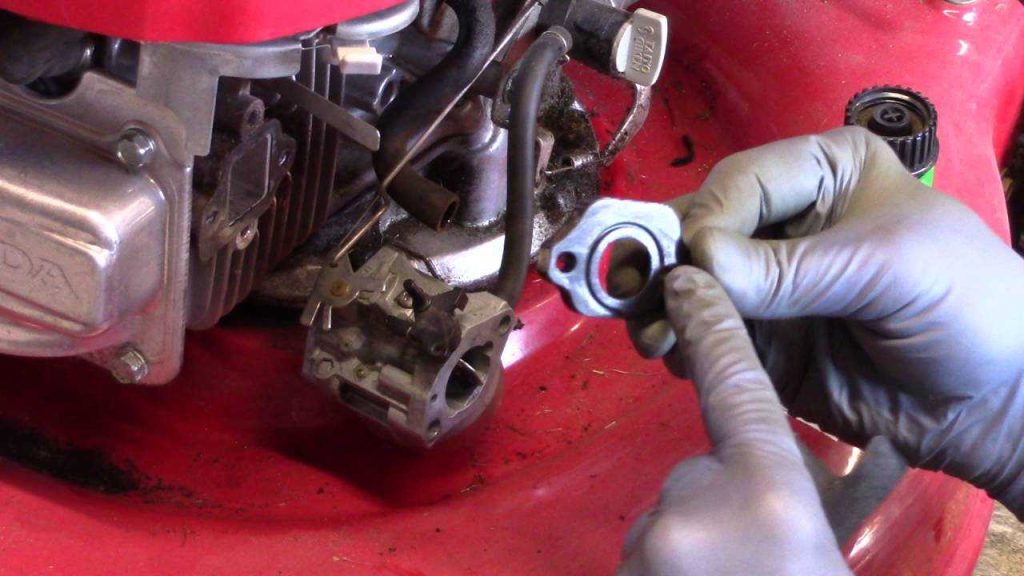
Proper gasket placement is crucial for a good seal. Place new gaskets on the carburetor body, ensuring they line up with the ports. Use a small amount of gasket sealant if recommended, but avoid excess that could clog passages.
Reassembling the Carburetor
Begin by reattaching the float and needle valve. Make sure the float moves freely and the needle seals well. Next, reassemble the main body by fitting the jet and adjusting screws, ensuring everything is tightened properly but not overly tight to avoid damage.
Attaching the Throttle and Choke Linkages
Connect the throttle and choke linkages to their respective levers. Make sure they move smoothly without sticking. Proper linkage placement ensures optimal engine control and starting performance.
Installing the Carburetor Back onto the Mower
Align the carburetor with the intake manifold and secure it with the mounting bolts. Tighten the bolts evenly to prevent leaks or warping. Reconnect the fuel line, making sure it’s secure and free from cracks or leaks.
Adjusting the Carburetor
After reassembly, it’s important to tune the carburetor for optimal engine performance. Typically, there are two adjustment screws: the idle speed screw and the mixture screw. Adjust these gradually to improve engine idling and acceleration.
Idle Speed Adjustment
Start the engine and let it warm up. Turn the idle screw clockwise to increase engine speed or counterclockwise to decrease it. Aim for a steady, smooth idle without the engine surging.
Fuel Mixture Adjustment
Turn the mixture screw slowly clockwise to lean the mixture or counterclockwise to richen it. Adjust until the engine runs smoothly and responds well during acceleration. Fine-tuning these screws can lead to better fuel efficiency and engine longevity.
Testing the Reassembled Carburetor
Once everything is reconnected and adjusted, start the mower and observe its operation. Check for smooth running, steady idling, and responsive acceleration. If any issues occur, revisit the adjustments or inspect for leaks.
Common Mistakes to Avoid During Reassembly
Avoid over-tightening screws or bolts, which can crack plastic components. Do not forget to replace all damaged gaskets. Ensure fuel lines are securely connected and free from leaks to prevent safety hazards.
Additional Tips for Successful Reassembly
Work in a well-lit, clean area to see small parts easily. Take photos during disassembly to reference during reassembly. Always follow the manufacturer’s specifications for torque and adjustment settings.
Related Topics to Explore
Consider reading about general lawn mower maintenance, understanding carburetor troubleshooting tips, or learning how to replace a carburetor if cleaning does not resolve engine issues. This knowledge enhances your ability to care for your mower effectively.
Summary
Putting a Honda lawn mower carburetor back together requires patience, organization, and attention to detail. Proper cleaning, careful part inspection, correct gasket placement, and precise adjustments are key steps to ensure your mower runs smoothly. Following these instructions can save you money and extend the life of your equipment, making yard work a little easier.
Honda Lawnmower HRR Series Carburetor Replacement Model HRR216K10VKAA
Frequently Asked Questions
What is the first step to reassemble a Honda lawn mower carburetor?
Begin by cleaning all components thoroughly to remove dirt and debris. Ensure that all parts are free from rust and grime. Lay out the parts in the correct order to understand how they fit together, and double-check that you have all the necessary components before starting the reassembly process.
How should I align the carburetor parts during reassembly to ensure proper operation?
Align the float within the carburetor bowl so that it moves freely without sticking. Position the jets and gaskets carefully, making sure they sit flush and are seated correctly. Follow the original placement order, and refer to any diagrams or manuals to verify that each part is correctly oriented before tightening screws or clips.
What torque specifications should I follow when tightening the carburetor screws on a Honda lawn mower?
Consult the manufacturer’s manual for specific torque settings for your model. Use a torque wrench to tighten screws and fittings to the recommended specifications, preventing over-tightening that could damage parts or under-tightening that might cause leaks or poor performance.
How can I ensure the carburetor is correctly sealed after reassembly?
Inspect all gaskets and seals for damage or wear before reinstalling them. Apply a light coat of carburetor cleaner or gasket sealant if recommended. When reassembling, tighten screws gradually and evenly to ensure the gasket seats properly without pinching or misaligning, preventing air leaks that affect the engine’s function.
Final Thoughts
To put a Honda lawn mower carburetor back together, carefully follow your disassembly steps in reverse. Ensure all parts are clean and correctly aligned before reassembling. Tighten screws gradually and evenly to avoid damage.
Double-check that all components fit snugly and move freely. Test the carburetor after reassembly to confirm proper operation.
In conclusion, knowing how to put a Honda lawn mower carburetor back together helps keep your mower running smoothly. Focus on clean parts and proper assembly to ensure optimal performance.