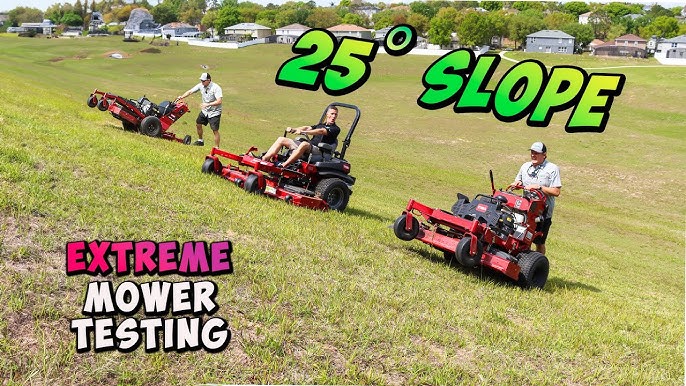
To prevent your mower from slipping on a slope, use a mower designed for hilly terrain. Regularly check tire traction and maintain proper tire pressure.
Mowing on slopes can be challenging and risky. Slipping mowers can lead to accidents and damage to your lawn. Ensuring your mower remains stable is crucial for safety and efficiency. By selecting the right equipment and practicing safe mowing techniques, you can minimize the risk of slipping.
Understanding how to adjust your mowing strategy will help maintain your yard without hazards. This guide provides essential tips to keep your mower secure on slopes, ensuring a smooth and effective mowing experience. Prioritize safety and effectiveness to maintain your lawn’s health while reducing potential accidents.

Credit: m.youtube.com
Assessing Slope Challenges For Mowers
Understanding the slope challenges is important for mower safety. Identifying risk factors helps prevent accidents. Key factors include slope angle, soil type, and grass conditions.
The slope gradient can impact mower performance significantly. Steeper slopes require extra caution. Evaluate the angle of the slope to determine risks. A slope over 15 degrees can be risky for standard mowers.
| Risk Factor | Impact |
|---|---|
| Slope Angle | Higher risk of slipping |
| Soil Type | Loose soil increases slipping |
| Grass Conditions | Wet grass can cause slipping |
Credit: handitreads.com
Pre-mow Preparation Steps
Start by inspecting mower tires. Check for proper air pressure. Low pressure makes tires prone to slipping. Look for any wear and tear on the tires. Replace them if they are damaged.
Next, check the weather conditions. Mowing after rain can make grass wet and slippery. Avoid mowing on windy days as debris can cause slips. Always wait for dry days to ensure better traction.
Mower Modifications For Better Traction
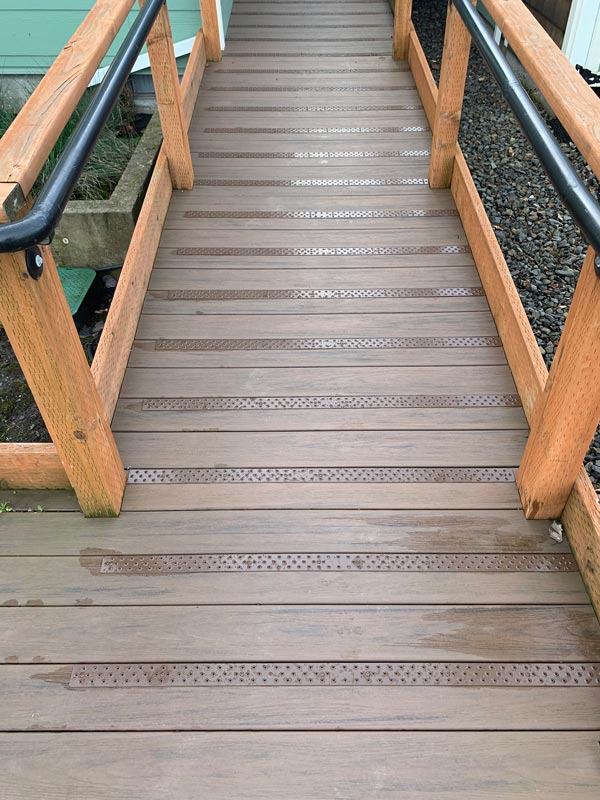
Tire treads play a big role in traction on slopes. Choose aggressive treads for better grip. These treads dig into the ground. They help prevent slipping. Chains can also boost traction. Install chains on tires for extra grip.
Adding weights to your mower can improve stability. Place weights on the rear of the mower. This helps keep the front down. A stable mower is less likely to slip. Ensure weights are secure and evenly distributed.
Optimal Mowing Techniques On Slopes
To maintain control on slopes, choose the right mowing patterns. Mow across the slope instead of up and down. This helps prevent slipping and keeps the mower stable.
Using a zigzag pattern can also improve traction. Change directions after each pass for better grip. This technique helps avoid overloading one side of the mower.
Throttle control is crucial for safe mowing. Keep the throttle at a steady speed. Sudden changes can cause the mower to lose balance.
Slow down when mowing steep areas. A steady pace allows for better handling. Always be mindful of your surroundings and adjust as needed.
Landscape Alterations To Improve Safety
Terracing steep slopes can greatly improve safety for mowing. This process creates flat areas on the slope. These flat areas reduce the risk of slipping.
Using ground cover plants is another effective way to stabilize slopes. These plants prevent soil erosion and provide traction. They grow low to the ground and spread quickly.
- Consider native plants for better adaptation.
- Choose plants that require low maintenance.
- Look for deep-rooted species to hold soil effectively.

Credit: canberradiamondblade.com.au
Maintaining Your Mower For Slope Conditions
Checking tire pressure is very important for your mower. Properly inflated tires provide better traction on slopes. Aim for the manufacturer’s recommended pressure. Use a reliable gauge to ensure accuracy.
Sharp blades are key for an efficient cut. Dull blades can cause your mower to slide on slopes. Regularly sharpen the blades every season. This will help maintain a clean and healthy lawn.
Safety Gear And Precautions
Wearing the right footwear is crucial for safety on slopes. Choose shoes with good grip and sturdy soles. This helps prevent slipping while mowing. Avoid sandals or flip-flops for better stability.
Utilizing Rollover Protection is essential for safety. This device helps protect you if the mower tips over. Ensure it is properly installed and maintained. Always check the Rollover Protection System (RPS) before mowing on slopes. Stay aware of your surroundings and avoid steep areas when possible.
Slope Mowing Alternatives
Using manual tools is a great option for mowing slopes. These tools provide better control and stability. String trimmers are perfect for small, uneven areas. They can reach spots that mowers cannot.
Push mowers are also effective for flat sections of slopes. Choose lightweight models for easier maneuvering. Reel mowers can be used for a clean cut without using gas or electricity.
Robotic mowers offer a modern solution for slope mowing. They can navigate uneven terrain if designed for it. Look for models with powerful traction and advanced sensors. These features help prevent slipping.
Always check the manufacturer’s guidelines for slope limits. This ensures safe operation and effective mowing.
Frequently Asked Questions
How Can I Stop My Mower From Slipping?
To prevent your mower from slipping, ensure it has appropriate tires with good traction. Adjust the mower’s weight distribution to enhance stability. Additionally, mow across the slope rather than up and down. Regular maintenance of the mower also helps improve performance on uneven terrain.
What Type Of Mower Is Best For Slopes?
The best mowers for slopes are zero-turn or riding mowers with low centers of gravity. These designs provide better stability and control on inclines. Look for models with powerful engines and robust traction systems. Consider mowers with features specifically designed for hilly terrains to ensure safety and efficiency.
Should I Mow Wet Grass On A Slope?
Mowing wet grass on a slope is not advisable. Wet grass increases the risk of slipping, both for the mower and the operator. It can also lead to uneven cuts and clumping. Wait until the grass dries to ensure better traction and a cleaner cut.
How To Maintain Mower Traction On Hills?
To maintain mower traction on hills, regularly check tire pressure and tread condition. Using wider tires can improve grip. Ensure the mower’s weight is balanced and appropriate for the slope. Adjusting mowing speed can also help maintain control while navigating hilly areas.
Conclusion
Preventing your mower from slipping on a slope is essential for safety and efficiency. By using the right techniques and equipment, you can tackle those challenging terrains with confidence. Regular maintenance and proper mowing practices will enhance your mower’s performance.
Keep your yard looking pristine while ensuring a smooth mowing experience.