If you’re looking for a quick solution to prevent ticks in your yard, start by keeping your lawn well-maintained. Regularly mowing the grass, clearing away debris, and creating a barrier between wooded areas and your yard can significantly reduce tick populations.
Ticks can be a real nuisance, especially during warmer months when outdoor activities increase. They thrive in grassy, bushy, and wooded areas, making our yards a prime target. To keep your space tick-free, it’s essential to take proactive measures. Implementing strategies like maintaining your landscaping, using repellents, and encouraging natural predators can help create an environment that’s less inviting to ticks. Let’s dive deeper into some effective steps you can take to safeguard your yard and enjoy your outdoor time worry-free.

“`html
How To Prevent Ticks In Your Yard
Preventing ticks in your yard is critical for the safety of your family and pets. Ticks can carry diseases that may affect humans and animals. Therefore, it is important to adopt effective strategies to keep these pests at bay. This article will provide you with in-depth guidance on how to prevent ticks and ensure a safe outdoor environment.
Understanding Ticks and Their Habits
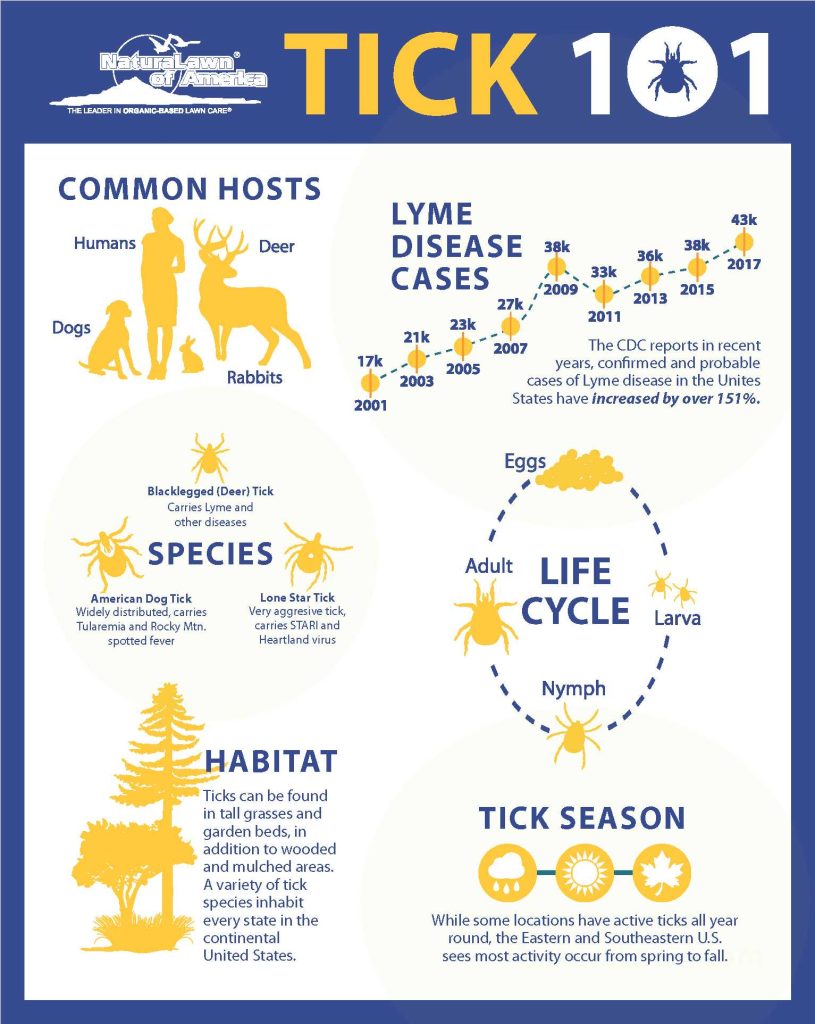
Ticks are small, blood-sucking parasites that thrive in wooded or bushy areas. They can also be found in grassy spaces. Knowing their behavior is the first step in prevention. Ticks are most active during spring and fall but can pose a risk year-round.
The most common types of ticks that you might encounter include:
- Deer ticks (also known as black-legged ticks)
- Dog ticks
- Lonestar ticks
Ticks usually wait for a host to brush against them to latch on. They can be found on tall grass, shrubs, or leaf litter. Regular maintenance of your yard can dramatically reduce the presence of ticks.
Yard Maintenance to Prevent Ticks
Maintaining your yard is one of the most effective ways to prevent ticks. Keeping your yard clean and tidy minimizes areas where ticks can hide. Here are some essential maintenance tips:
- Mow the Lawn Regularly: Keep grass short. Ticks prefer tall grass.
- Clear Leaves and Debris: Dispose of fallen leaves and debris where ticks can hide.
- Trim Shrubs and Bushes: Ensure that shrubs and bushes are well-trimmed to avoid tick habitats.
By maintaining a well-kept lawn, you reduce the likelihood of ticks making your yard their home.
Creating Tick-Repellent Zones
Creating specific areas in your yard can keep ticks away from spaces where your family spends time. Here’s how to do it:
Use Wood Chips or Gravel
You can create a barrier using wood chips or gravel around play areas or patios. This will deter ticks from moving into these spaces.
Install Fences
Fencing your yard can keep deer and other wildlife out, which reduces the introduction of new ticks. Remember to keep the fence in good condition to be most effective.
Designate a Tick-Free Zone
Consider creating a designated tick-free zone using hardscaping materials. This allows your family to enjoy outdoor activities in a safe area that is less likely to harbor ticks.
Natural Tick Repellents
Using natural repellents can aid in keeping ticks away. Here are some effective methods:
- Essential Oils: Oils like lavender, eucalyptus, and tea tree can repel ticks. Mix a few drops with water and spray in the yard.
- Neem Oil: This natural pesticide can be used to deter ticks when sprayed on vegetation.
Using these natural remedies can be a safe, chemical-free way to keep your yard tick-free.
Introduce Tick-Resistant Plants
Certain plants can help repel ticks naturally. Incorporating these plants into your landscaping is a great strategy. Consider adding:
- Lemon Balm: This plant has a strong scent that ticks dislike.
- Rosemary: Another herb that is known for its tick-repelling properties.
- Catnip: Research shows that catnip can repel ticks effectively.
These plants not only enhance your yard’s aesthetics but also help keep ticks away.
Pet Care to Prevent Ticks
If you have pets, they can be a pathway for ticks to enter your home. Implement these strategies to keep them safe:
- Regular Tick Checks: After walks or outdoor play, check pets for ticks.
- Use Tick Prevention Treatments: Consult your veterinarian for the best tick prevention products for your pets.
Taking care of your pets is crucial for an overall tick prevention strategy.
Encourage Natural Predators
Encouraging natural predators can be an effective tick control method. Animals such as birds, frogs, and certain insects naturally feed on ticks. You can attract these beneficial creatures by:
- Installing Birdhouses: Provide habitats for birds that will eat ticks.
- Creating Water Features: Small ponds can attract frogs, which help control the tick population.
Creating a balanced ecosystem in your yard can help keep the tick population under control.
Regularly Inspect Your Yard for Ticks
Conduct regular inspections of your yard for signs of ticks. This includes looking for areas with high vegetation and debris. Identifying tick habitats allows you to take action to eliminate them.
If you find high tick activity in certain areas, consider removing debris or adding landscaping features that deter them.
Educate Your Family
Educating your family about ticks and the importance of prevention is vital. Teach your children how to stay safe in the yard by:
- Wearing Protective Clothing: Long sleeves and pants can help prevent ticks from latching on.
- Staying on Paths: Encourage them to stay on trails while walking or playing in wooded areas.
Knowledge is a powerful tool in preventing tick bites.
Use Chemical Solutions Wisely
While natural solutions are effective, sometimes chemical solutions are necessary. Consider these methods:
- Pesticides: Use tick-specific insecticides to treat problem areas.
- Professional Pest Control: Hire professionals to apply treatments safely and effectively.
Always follow safety guidelines when using chemicals to ensure the safety of your family and pets.
The Importance of Regular Monitoring
Regularly monitoring your yard after implementing these strategies is essential. Keep an eye on the effectiveness of your methods and be willing to adjust as needed.
If you notice any increase in tick activity, it may be time to revisit your strategy or seek out professional help.
Preventing ticks in your yard requires a multifaceted approach. By maintaining your yard, using natural repellents, educating your family, and considering chemical solutions when necessary, you can create a safer outdoor space. Regular monitoring will ensure that these strategies remain effective, allowing your family and pets to enjoy the great outdoors without the worry of ticks. Prioritizing tick prevention today leads to a healthier, happier tomorrow.
“`
5 Tips to Prevent Tick Bites and Getting Lyme Disease | Johns Hopkins Medicine
Frequently Asked Questions
“`html
What landscaping practices can help reduce tick populations?
Opt for landscaping techniques that minimize tick habitats. This includes keeping grass short, trimming back dense shrubs, and creating barriers of wood chips or gravel between your lawn and wooded areas. Planting tick-repelling plants like lavender or rosemary can also help deter ticks.
How can I maintain a tick-safe zone for my pets?
Create a designated play area for your pets that is free from tall grasses and dense foliage. Regularly inspect your pets for ticks after outdoor activities and consider applying veterinarian-approved tick prevention treatments. Additionally, bathing pets regularly can help remove ticks before they attach.
What role does wildlife play in tick prevention?
Wildlife can significantly contribute to the tick population in your yard. To reduce this risk, secure trash bins tightly, use bird feeders that minimize seed spillage, and avoid having birdbaths that attract animals. Installing deer fences can also help keep deer, a common host for ticks, away from your property.
Are there any chemical treatments effective against ticks?
Several chemical treatments can effectively reduce ticks in your yard. You can apply acaricides, which specifically target ticks, or use insect growth regulators. It’s best to follow the manufacturer’s instructions and consider hiring a professional pest control service for thorough treatment.
How often should I check for ticks in my yard?
Regular inspections of your yard are crucial, especially during peak tick season, which typically spans from spring to fall. Aim for bi-weekly checks and after heavy rain, as moisture can promote tick activity. Pay attention to shaded areas, tall grasses, and debris where ticks may thrive.
“`
Final Thoughts
To prevent ticks in your yard, focus on maintaining your landscape. Keep your lawn mowed and trim back any overgrown areas where ticks thrive.
Using wood chips or gravel as barriers can deter ticks from entering your outdoor space.
Regularly check yourself and pets for ticks after being outside, and consider using repellents for added protection.
By following these steps, you can significantly reduce tick populations in your yard and enjoy a safer outdoor environment. Implement these strategies for effective results in “How To Prevent Ticks In Your Yard.”