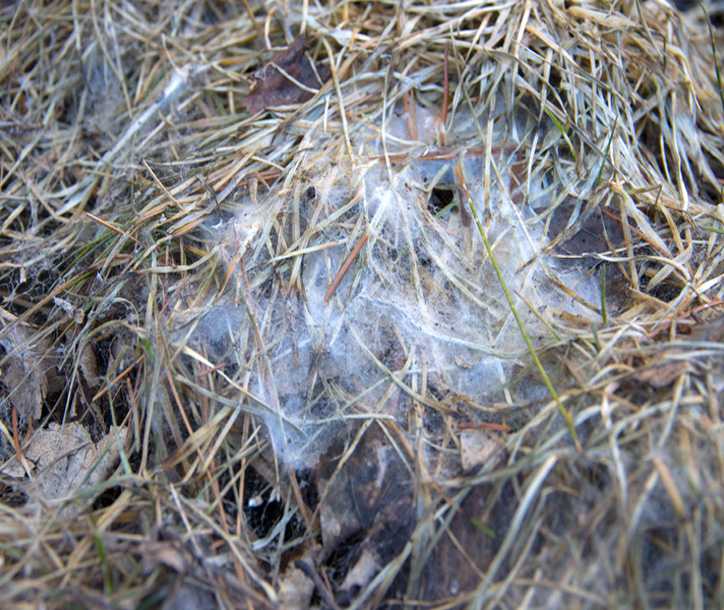
To prevent snow mold, make sure to keep your lawn well-aerated, remove any debris, and avoid letting snow pile up too heavily on the grass. A proactive approach can save your yard from the unsightly, damaging effects of this fungal disease.
Snow mold can be a frustrating issue for many homeowners during the winter months. This pesky fungus thrives under snow cover, leading to unsightly patches on your lawn when spring arrives. But don’t fret! There are effective ways to minimize the risk of snow mold taking hold in your yard. By implementing a few simple strategies, such as proper lawn care practices and timely snow removal, you can protect your grass and keep it healthy all year round. Let’s dive into some practical tips to help you maintain a vibrant lawn, free from the clutches of snow mold.

How to Prevent Snow Mold
Snow mold can be a frustrating problem for many homeowners and gardeners, particularly during the winter and early spring months. Understanding how to prevent snow mold can save you time, effort, and resources. This guide will explore various methods to help you keep your lawn and plants healthy.
What is Snow Mold?
Snow mold is a type of fungal growth that typically appears under snow cover. It thrives in cool, moist conditions and can damage grass and other plants. Snow mold can be categorized into two types: gray snow mold and pink snow mold. Gray snow mold tends to affect cool-season grasses, while pink snow mold can impact a wide range of plant types.
Knowing what snow mold is and its causes is crucial in preventing it. Snow mold can form when snow covers the ground for extended periods, especially if the ground is wet or if there is an abundance of organic material.
Signs of Snow Mold
Recognizing the signs of snow mold early can help you act quickly. Here are some common signs to look for:
- Gray or pink patches on your lawn
- Thinning grass or dead areas
- Fungal filaments or white threads on the surface
If you notice these signs, it’s essential to take preventive measures promptly to avoid extensive damage.
Preventive Measures Before Winter
Preventing snow mold starts well before winter arrives. Here are several strategies to consider:
1. Lawn Care in Fall
Taking care of your lawn in the fall is vital. Mow your grass to a height of about 2.5 to 3 inches. This length encourages healthy growth and minimizes the risk of mold.
2. Aerate the Soil
Aerating your lawn helps improve drainage and airflow. By creating small holes in the soil, you allow water and nutrients to reach the roots more efficiently. This method promotes healthy grass and reduces the likelihood of mold growth.
3. Rake Up Leaves and Debris
Fallen leaves and other organic materials create a suitable environment for mold to thrive. Rake up leaves from your lawn before winter, as this will help maintain a drier surface. Clean debris from garden beds as well, ensuring that your yard is tidy.
4. Fertilizing in Late Fall
Applying fertilizer in late fall can strengthen grass before winter. Choose a nitrogen-rich fertilizer to stimulate root growth. Healthy grass is more resistant to diseases like snow mold.
Snow Mold Prevention During Winter
During winter, you must take steps to protect your lawn from snow mold. These tips can help minimize the risks:
1. Avoid Excessive Foot Traffic
Try to minimize foot traffic on your lawn when snow is present. Walking on snow-covered grass can compact the snow, creating a perfect environment for snow mold to grow.
2. Remove Snow Accumulation
If snow accumulates in your yard, consider using a snow shovel to remove the excess snow from high-traffic areas. This practice helps prevent mold formation by allowing sunlight and air to reach the grass.
3. Use a Deicer with Caution
If you need to use a deicer on your driveways or walkways, choose one that is safe for lawns. Some deicers can negatively affect grass health if they leach into the soil.
Post-Winter Care and Observation
Once the snow melts, it’s important to keep an eye on your lawn. Here are some strategies to help your lawn recover:
1. Inspect Your Lawn
After the snow has melted, inspect your lawn thoroughly for signs of snow mold. Look for any discoloration or patches that may indicate mold growth.
2. Reseed Damaged Areas
If you notice areas affected by snow mold, reseed them as soon as possible. Choose a grass seed that is suitable for your region. Reseeding will help restore your lawn’s appearance and health.
3. Regular Maintenance
Continue with routine lawn maintenance by mowing, watering, and fertilizing as needed. Healthy grass will be less susceptible to mold in the future.
Alternative Methods for Snow Mold Prevention
Beyond traditional methods, there are alternative approaches to help prevent snow mold. Here are some ideas:
1. Use a Natural Fungicide
Consider using a natural fungicide to help control mold growth. Products containing beneficial bacteria or fungi can promote a healthy lawn ecosystem.
2. Plant Resistant Grass Varieties
Select grass varieties that are resistant to mold. Research types that thrive in your area and offer better resistance to snow mold.
3. Encourage Beneficial Microorganisms
Adding organic matter, such as compost, to your lawn promotes healthy soil microorganisms. These microorganisms can help combat harmful pathogens, including those that cause snow mold.
Understanding Environmental Factors
Several environmental factors contribute to snow mold formation. Knowing these factors can help you take appropriate preventive actions.
1. Soil Moisture
Soil moisture is a critical factor in snow mold development. Well-drained soil reduces the risk of mold, while compacted, wet soil can encourage growth.
2. Temperature
Snow mold thrives in cool temperatures. Understanding your local climate can help you prepare your lawn for winter conditions.
3. Snow Cover Duration
The longer the snow remains on the ground, the greater the likelihood of snow mold forming. Monitoring snow cover can help you take action before mold develops.
Taking preventive measures against snow mold is essential for maintaining a lush and healthy lawn. By following the strategies outlined in this guide, you can effectively minimize the risk of snow mold, allowing your grass to flourish year-round. Regular maintenance, proper lawn care techniques, and an understanding of environmental factors will ensure a vibrant and healthy outdoor space. Keep these tips in mind as you prepare for winter, and enjoy the beauty of your lawn without the worry of snow mold.
Preventing Snow Mold In The Lawn : Early Spring Tips
Frequently Asked Questions
What are the key signs that snow mold might be developing?
Look for patches of gray or pink mold on the grass, especially after snow melts. The grass may appear matted down or have a fuzzy texture. In some cases, you might notice a musty smell emanating from affected areas. Observing these signs early can help you take preventative measures before the problem worsens.
How does proper lawn care contribute to preventing snow mold?
Maintaining a healthy lawn is crucial for preventing snow mold. Regularly mowing your grass to the appropriate height promotes airflow and sunlight penetration, which reduces damp conditions that foster mold growth. Additionally, aerating the soil helps improve drainage and reduce compaction, making your lawn less susceptible to disease.
What role does lawn fertilization play in snow mold prevention?
Using the right fertilizer at the right time is essential. Avoid high-nitrogen fertilizers in late fall, as they can promote excessive growth that is more vulnerable to snow mold. Instead, apply a balanced fertilizer in early fall, which strengthens the grass and prepares it for winter, minimizing the chances of mold development.
Can removing snow help in preventing snow mold?
Yes, clearing away heavy snow accumulations can help prevent snow mold. When snow sits for extended periods, it creates a perfect environment for mold to thrive. If possible, use a snow shovel or a snow blower to remove the snow from your lawn, especially in shaded areas that may take longer to melt.
How does the type of grass affect snow mold resistance?
Choosing the right grass type can significantly impact your lawn’s resistance to snow mold. Cool-season grasses, like Kentucky bluegrass and fescue, may be more prone to snow mold compared to other varieties. Selecting disease-resistant grass types and blends can enhance your lawn’s ability to withstand winter conditions and reduce mold risks.
Final Thoughts
To prevent snow mold, maintain a healthy lawn throughout the year. Regular mowing and proper fertilization help keep the grass strong and resilient.
Removing leaves and debris in the fall reduces moisture retention, minimizing the risk of snow mold. Additionally, avoid overwatering and ensure proper drainage to keep the lawn dry during winter.
Finally, consider using a snow mold preventative product if your area is prone to this issue. Following these steps effectively addresses how to prevent snow mold and helps maintain a vibrant lawn.