If you’re tired of seeing your beautiful garden devoured by Japanese beetles, there are effective strategies you can employ to keep these pests at bay. Start by maintaining a healthy garden ecosystem; this includes planting beetle-resistant varieties and avoiding over-fertilizing, which can attract them. You can also use physical barriers like row covers or traps to minimize their impact. Additionally, introducing beneficial insects like ladybugs can help control their population naturally. With these proactive steps, you can significantly reduce the chances of a Japanese beetle invasion and protect your plants from their destructive feeding habits.
When it comes to garden pests, Japanese beetles are notorious for wreaking havoc. These shiny, metallic-green invaders not only consume a wide variety of plants but can also leave your garden looking ragged. Prevention is key, and understanding their life cycle and habits can help you devise a plan to combat them. Early detection, combined with a mixture of organic and physical deterrents, can protect your plants and flowers. Let’s delve into practical methods to help you safeguard your garden from these pesky intruders.

How To Prevent Japanese Beetles
Japanese beetles can be a gardener’s nightmare. They munch on leaves, flowers, and fruits, leaving behind a trail of destruction. To effectively combat these pests, it’s essential to understand their behavior and life cycle. This article will provide practical tips and tricks to prevent Japanese beetles from wreaking havoc on your garden.
Understanding Japanese Beetles
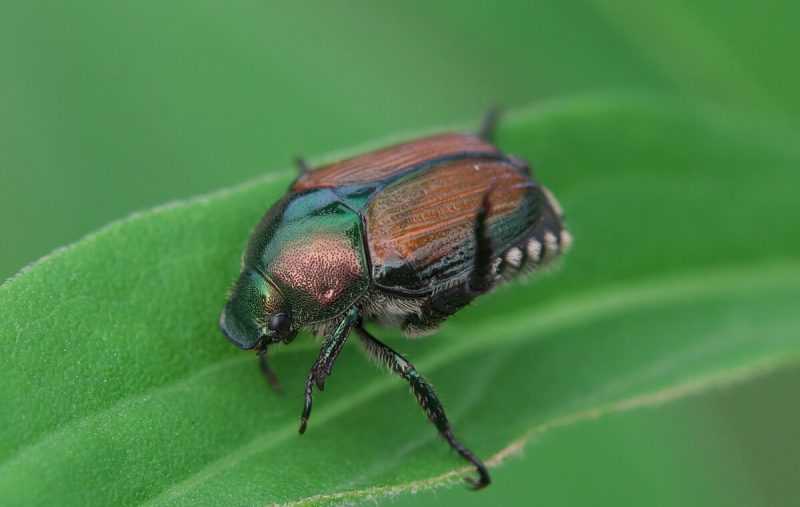
Before you can prevent Japanese beetles, it’s important to know what they are. These pests are about half an inch long and have a shiny, metallic green body with copper-colored wing covers. They thrive in warm weather and are particularly active during the summer months.
Japanese beetles undergo a unique life cycle. They start as eggs, which hatch into larvae, commonly known as grubs. These grubs live in the soil for several months before emerging as adult beetles. Understanding this cycle can help you target prevention efforts effectively.
Identifying Affected Plants
Japanese beetles enjoy a wide variety of plants. Knowing which ones are most susceptible can help you take precautionary measures. Common plants that attract Japanese beetles include:
- Roses
- Grasses
- Fruit trees (like apples and cherries)
- Beans
- Coneflowers
By identifying which plants in your garden are at risk, you can focus your prevention strategies and reduce the chances of infestation.
Implementing Cultural Controls
Cultural controls involve changing gardening practices to make your garden less inviting to Japanese beetles. Some effective methods include:
- Regularly inspecting plants for beetles and their larvae.
- Removing any affected leaves and plants promptly.
- Planting resistant varieties of flowers and vegetables.
By being proactive, you can significantly reduce the likelihood of an infestation.
Companion Planting Techniques
Companion planting can also help deter Japanese beetles. Some plants repel these pests, making your garden less appealing to them. Consider adding the following plants:
- Geraniums
- Marigolds
- Catnip
- Chives
These companion plants can help protect your main crops by acting as natural repellents.
Using Natural Predators
Another effective way to manage Japanese beetle populations is by using natural predators. Birds and beneficial insects can help keep beetle numbers down. Attract these helpful creatures to your garden by providing habitats such as:
- Birdhouses
- Nectar-rich flowers
- Water sources
Creating a biodiversity-friendly environment can encourage these natural allies to help manage pests in your garden.
Physical Barriers Against Pests
When preventive measures are urgently needed, physical barriers can be very effective. Using floating row covers can protect vulnerable plants from beetles. These lightweight fabrics create a barrier while allowing sunlight and moisture to reach the plants.
Ensure that the row covers are securely anchored to the ground to prevent beetles from sneaking underneath. Regularly check for any breaches in the covers and repair them as needed.
Utilizing Traps Wisely
Japanese beetle traps are popular, but they come with a caveat. While traps can catch many beetles, they may also attract more beetles into your garden. If you choose to use traps, be sure to place them away from the plants you want to protect.
Select traps that utilize pheromones to lure beetles. Monitor traps regularly and dispose of the captured beetles promptly to prevent them from re-entering your garden.
Applying Organic Pesticides
If the beetle population becomes overwhelming, consider using organic pesticides. Neem oil is a popular choice as it disrupts the beetles’ life cycle without harming beneficial insects. Before applying any pesticide, always read the label for application instructions.
Make sure to apply pesticides during the evening when beneficial insects are less active. This minimizes the risk of harming non-target species and helps maintain a healthy garden ecosystem.
Timing Is Key
Understanding the timing of beetle activity is critical. Adult Japanese beetles typically emerge in late May to early June. The earlier you can implement prevention strategies, the better your chances of keeping them at bay.
Monitor your garden closely during this period. If you notice beetles, act quickly to reduce their numbers. This may involve handpicking them or applying any of the preventive measures discussed above.
Maintaining Soil Health
Healthy soil leads to healthier plants, making them less susceptible to pests. Regularly test your soil and amend it with organic matter like compost. A nutrient-rich soil can help plants withstand pest pressure.
Additionally, consider rotating crops each year. This practice disrupts the life cycle of pests and makes it more difficult for them to establish in your garden.
Regular Garden Maintenance
Consistency is vital when it comes to garden maintenance. Regularly check your plants for signs of pests or disease. By staying vigilant, you can catch problems early and address them promptly.
Keep your garden free from debris and weeds, as these can provide hiding spots for beetles. A tidy garden is less attractive to pests and easier to manage.
Educating Yourself and Others
Finally, educating yourself about Japanese beetles and their behavior can empower you to take effective preventative measures. Attend local gardening workshops or join online gardening forums to share experiences and tips with other gardeners.
Consider hosting a neighborhood gardening meeting to discuss pest prevention strategies. Sharing knowledge can help everyone in your community manage Japanese beetles more effectively.
As you implement these strategies, remember that patience is key. It may take time to see results, but with consistent effort, you can create a garden that thrives despite the presence of Japanese beetles.
With the right approach, you can enjoy a healthy, beautiful garden free from the threat of these invasive pests. Don’t let Japanese beetles win – take control of your garden today!
How to get rid of Japanese Beetles ORGANICALLY and save your garden, fruit trees and rose bushes
Frequently Asked Questions
“`html
What are some natural methods to deter Japanese beetles?
Planting certain herbs and flowers can help repel Japanese beetles. Consider incorporating plants like basil, garlic, or marigolds into your garden. These plants emit scents that can drive beetles away. Additionally, using neem oil or insecticidal soap can deter these pests without harming beneficial insects.
How can I monitor Japanese beetle populations in my garden?
Regularly inspect your plants for signs of Japanese beetles, such as skeletonized leaves or the presence of the beetles themselves. You can also use traps specifically designed for Japanese beetles, placing them around your garden to catch and monitor their numbers without attracting them to your plants.
Are there specific times of year when Japanese beetles are most active?
Japanese beetles typically emerge in the late spring and peak in activity during the summer months. By monitoring your garden closely during these times, you can implement preventive measures more effectively.
What role does lawn care play in preventing Japanese beetles?
Healthy lawns can help prevent the establishment of Japanese beetles. Aerating your soil and keeping your grass properly mowed promotes strong roots and discourages larvae from developing. Additionally, maintaining a healthy balance of nutrients can reduce the likelihood of attracting these pests.
Can companion planting help in deterring Japanese beetles?
Yes, companion planting can be effective in reducing the presence of Japanese beetles. By planting compatible species together, such as planting garlic with roses, you can create a more resilient garden. The desired plants can benefit from the presence of those that repel beetles, leading to better overall plant health.
What are the benefits of removing fallen fruit and debris from my garden?
Removing fallen fruit and garden debris can limit the breeding sites for Japanese beetles. They often lay their eggs in decaying organic matter. Keeping the garden tidy minimizes these opportunities and helps control beetle populations, ultimately protecting your plants.
“`
Final Thoughts
To prevent Japanese beetles, regular monitoring of your garden is essential. Remove any adult beetles by hand and dispose of them to reduce their numbers.
Implementing traps early in the season can also minimize their impact. Planting native flowers and using insect-repelling plants creates a less inviting environment for these pests.
In conclusion, consistent vigilance and preventive measures are key. Following these strategies will help effectively manage your garden and promote healthy plant growth. Remember, knowing how to prevent Japanese beetles can save your plants from serious damage.