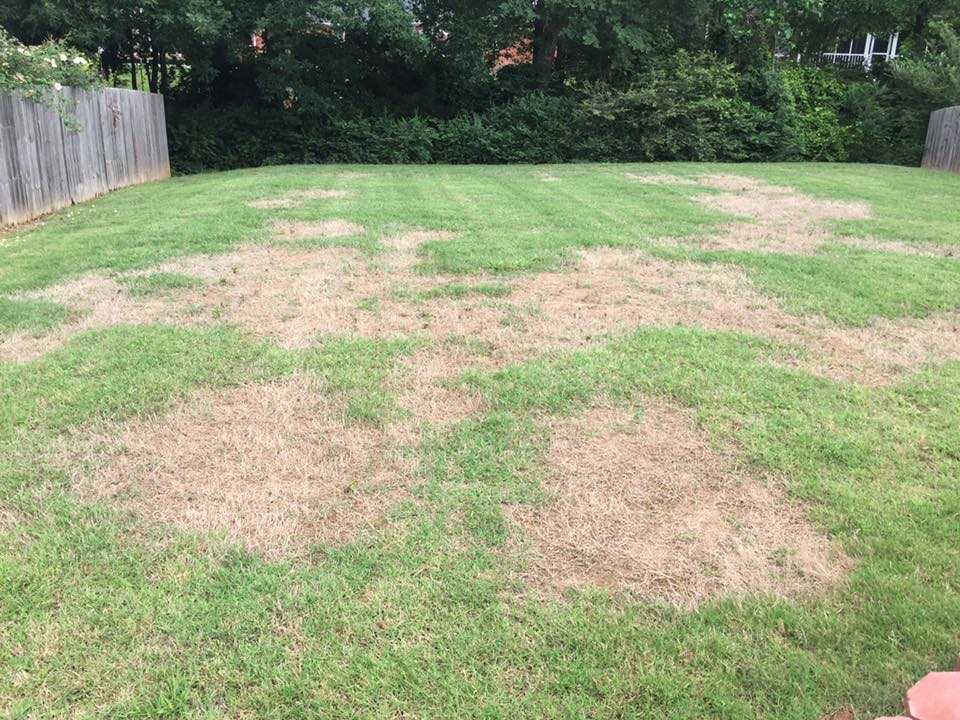
To prevent fungus in St. Augustine grass, ensure proper lawn maintenance by improving drainage, avoiding overwatering, and applying fungicides when necessary. Keep your grass healthy and stress-free to make it less susceptible to infections, and remove debris that can harbor fungal spores.
A quick way to keep fungus at bay is to maintain a healthy lawn through proper watering, mowing, and aeration. Regularly inspect your grass for early signs of disease and treat problems promptly to prevent widespread damage. Using fungicides as a preventative measure can also help protect your turf from common fungal infections.
A lush, green St. Augustine lawn can quickly turn brown and patchy if fungus takes hold, but preventing this is easier than you think. Fungal diseases thrive in warm, humid conditions and areas of poor drainage or overwatering. By establishing good lawn care habits—such as watering deeply but infrequently, ensuring proper airflow, and removing dead grass or debris—you can significantly reduce the risk of fungal problems. Additionally, aerating your lawn and applying appropriate fungicides before issues arise provide extra layers of protection. Keeping your grass healthy and stress-free is the best way to enjoy a vibrant, fungus-free lawn all season long.

How to Prevent Fungus in St Augustine Grass
Understanding Fungal Diseases in St Augustine Grass
Fungal diseases are common problems for St Augustine grass, especially in warm, humid climates. These fungi can cause patches of brown, yellow, or dead grass that spread quickly if not managed properly. Knowing which fungi affect this grass type helps you take targeted prevention steps.
Common Types of Fungal Diseases
- Brown Patch: Causes circular brown spots that can quickly expand. It thrives in hot, humid weather and moist soil.
- Gray Leaf Spot: Presents as grayish patches on leaves with dark borders. It is more active during warm, moist conditions.
- Take-All Root Rot: Destroys the roots, leading to thinning grass and eventual death. It prefers poorly drained, compacted soil.
Proper Watering Techniques to Minimize Fungal Growth
Overwatering creates a damp environment perfect for fungi to thrive. It is essential to water your lawn correctly to keep it healthy and fungus-free.
How to Water Effectively
- Water early in the morning to allow grass to dry during the day.
- Maintain a deep watering schedule to encourage strong roots, usually once or twice weekly.
- Avoid watering late in the evening, as prolonged moisture fosters fungal growth.
Signs of Overwatering and How to Adjust
If your soil feels consistently wet or soggy, reduce watering frequency. Use a soil moisture meter or dig small holes to check soil dryness levels regularly.
Proper Mowing Practices to Prevent Fungal Infections
Incorrect mowing can stress your grass, making it more vulnerable to fungi. Maintaining the right mowing habits promotes healthy turf.
Recommended Mowing Height
Set your mower blades to a height of 3 to 4 inches to prevent scalping. Taller grass shades the soil and reduces moisture loss while discouraging fungal spores.
Frequency of Mowing
Mow regularly, removing no more than one-third of the grass height at a time. This keeps the grass healthy without causing unnecessary stress.
Soil Management and Aeration for Fungal Prevention
Healthy soil with good aeration prevents water retention and promotes root strength, reducing the chances of fungal diseases.
Benefits of Aeration
Aerating involves creating small holes in the soil to improve air circulation. It helps water penetrate the root zone and breaks up compacted soil.
How to Aerate Your Lawn
Use a lawn aerator or spike shoes to aerate during the growing season, preferably in spring or fall. Follow up with overseeding if necessary.
Fertilization Tips to Keep Fungi at Bay
Proper fertilization strengthens your grass, making it less susceptible to disease. Over-fertilizing or under-fertilizing can both lead to fungal issues.
Choosing the Right Fertilizer
Use a balanced fertilizer with the appropriate ratio of nitrogen, phosphorus, and potassium. Follow manufacturer instructions for application rates.
Timing of Fertilization
Apply fertilizer during active growth periods, typically spring and summer, to promote healthy, dense turf. Avoid fertilizing before heavy rains.
Managing Thatch and Organic Build-up
Excess thatch creates a breeding ground for fungi. Regular dethatching removes this layer and improves turf health.
How to Dethatch Your Lawn
Use a dethatching rake or mechanical dethatcher to remove accumulated thatch in spring or fall. This process allows better water and nutrient penetration.
Signs You Need Dethatching
Look for a layer of dead grass and roots more than half an inch thick. If the grass appears thin or uneven, dethatching is likely needed.
Controlling Humidity and Air Circulation
Good airflow reduces moisture and inhibits fungal growth. Pruning trees and shrubs allows better circulation around the lawn.
Pruning and Landscaping Tips
Trim overgrown plants and remove debris to increase sunlight exposure and air movement. Space out plants to prevent congestion.
Using Fans or Ventilation
In enclosed or shaded areas, consider using fans to enhance airflow and reduce humidity levels that favor fungi.
Choosing Fungicide Treatments Wisely
Prevention is best, but fungicides can be used as a last resort if fungal problems persist. Select the right product for your specific issue.
Types of Fungicides
Opt for fungicides labeled for turfgrass, such as chlorothalonil or azoxystrobin. Always follow the manufacturer’s directions for application rates and timing.
Application Tips for Fungicides
Apply fungicides early at the first sign of trouble. Reapply as recommended, especially during wet seasons, for ongoing protection.
Seasonal Maintenance to Prevent Fungal Spores
Fungal spores are often more active during certain seasons. Proper seasonal care reduces the risk of infections.
Spring and Fall Care
In spring, prepare your lawn by cleaning debris and aerating. In fall, dethatch and apply appropriate fertilization.
Cleaning Up Debris
Remove fallen leaves, branches, and grass clippings regularly to prevent the buildup of fungal spores.
Proper Lawn Drainage and Irrigation Systems
Poor drainage invites fungal problems by creating waterlogged soil. Ensure your irrigation system is efficient and well-maintained.
How to Improve Drainage
Incorporate organic matter or install drainage tiles in areas prone to standing water. Elevate areas that tend to be soggy.
Maintaining Irrigation Systems
Check hoses, sprinklers, and timers for leaks or malfunctions. Use rain sensors to avoid overwatering.
Monitoring and Regular Lawn Checks
Regular inspection helps catch early signs of fungal infection or environmental issues.
What to Look For
Monitor for discolored patches, unusual growth patterns, or fungal spores on grass blades. Early detection allows quick intervention.
Keeping a Lawn Care Schedule
Create a calendar for watering, fertilizing, aerating, and inspecting your lawn. Consistency is key to healthy turf.
Maintaining a healthy, vibrant lawn involves understanding the conditions that foster fungi and actively managing them. Proper watering, mowing, fertilizing, and aeration all play vital roles in preventing fungal diseases in St Augustine grass. Regular care and prompt action help keep your grass lush, green, and free of fungal problems.
How To Control And Treat Fungus In St. Augustine Grass (Brown Patch/Large Patch Fungus)
Frequently Asked Questions
What watering practices help prevent fungal growth in St. Augustine grass?
Water your St. Augustine grass early in the morning to allow excess moisture to evaporate during the day. Avoid overwatering, as consistently moist conditions promote fungal development. Use deep, infrequent watering sessions to strengthen the grass roots and reduce surface moisture, creating an environment less favorable for fungi.
How can proper mowing techniques reduce the risk of fungus?
Maintain a mowing height of about 3 to 4 inches to promote healthy growth and airflow. Avoid cutting the grass too short, as it weakens the plant and makes it more susceptible to infections. Regularly sharpen mower blades to prevent tearing and damage that can serve as entry points for fungi.
What role does soil drainage play in preventing fungal issues?
Ensure your lawn has good drainage to prevent water from pooling after rains or irrigation. If your soil retains excess moisture, consider aerating the turf and improving soil composition with organic matter. Well-drained soil discourages fungal growth by maintaining a dry surface and reducing prolonged wetness.
What fertilization strategies can help avoid fungus problems?
Use a balanced fertilizer suited for St. Augustine grass, and apply it according to the recommended schedule. Avoid excessive nitrogen, which can promote lush but weak growth prone to infections. Proper nutrition helps the grass stay healthy and resilient against fungal attacks.
How can choosing resistant grass varieties assist in preventing fungi?
Select grass cultivars that have demonstrated resistance to common fungi affecting St. Augustine. These varieties typically have stronger defenses and are less likely to develop fungal diseases. Consult local lawn care experts or extension services for recommendations on the best resistant types for your area.
Final Thoughts
To prevent fungus in St. Augustine grass, ensure proper watering practices by avoiding overwatering and watering early in the day. Maintain good lawn airflow by trimming excess grass and removing debris. Apply fungicides only when necessary to control early fungal signs. Regular lawn maintenance and proper watering are key to keeping the grass healthy and fungus-free.