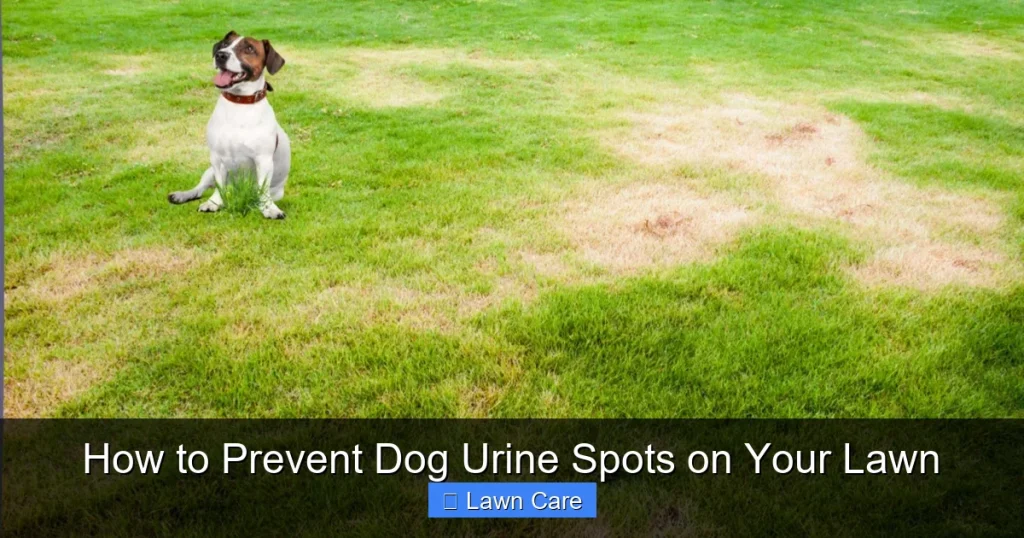
Dealing with dog urine spots on your lawn can be frustrating, but there are effective solutions! This guide offers practical strategies to prevent those unsightly brown patches and keep your grass vibrant and healthy. From diet adjustments to training and landscape solutions, learn how to maintain a beautiful lawn that both you and your furry friend can enjoy.
It’s a common scene: you’ve spent hours nurturing your lawn, mowing it perfectly, and admiring its lush green expanse. Then, your beloved canine companion heads out for their daily business, and soon, those telltale yellow or brown patches start to appear. Dog urine spots on the lawn are a gardener’s bane, and if you’re a dog owner, you’ve likely battled this issue more than once. The good news is that this doesn’t have to be your lawn’s fate. With a little understanding and some proactive strategies, you can significantly reduce or even eliminate those unsightly spots, keeping your lawn looking its best.
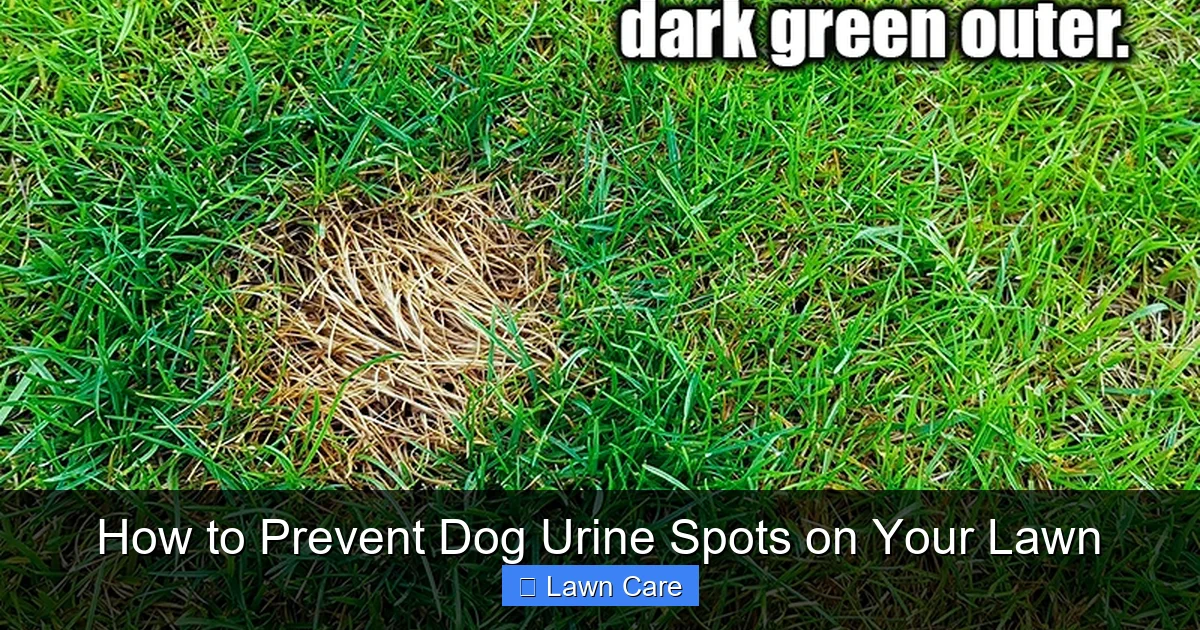
The culprit behind these lawn lesions is the nitrogen and salts present in dog urine. While these are natural waste products, their concentration can be quite high. When a dog urinates on your lawn, the nitrogen acts as a fertilizer, initially causing a surge in grass growth (the “burnt” patch is actually surrounded by greener grass). However, the salts in the urine then dehydrate and damage the grass blades, leading to that dreaded brown, dead spot. Understanding this basic science is the first step in preventing the problem.
This article will dive deep into practical and effective ways to prevent dog urine spots on your lawn. We’ll explore everything from what you feed your dog to how you landscape your yard. Get ready to say goodbye to those brown patches and hello to a healthier, greener lawn that can withstand your furry friend’s needs.
Key Takeaways
- Dietary changes can significantly impact urine’s effect on grass. Adjusting your dog’s food, potentially adding supplements, can help dilute or neutralize its acidity.
- Proper hydration is crucial. Ensuring your dog drinks enough water dilutes their urine, making it less damaging to your lawn.
- Consistent training and designated potty areas guide your dog to relieve themselves in specific spots, minimizing widespread damage.
- Natural and commercial lawn additives can help neutralize urine or strengthen grass to resist damage.
- Physical barriers and landscape design can protect vulnerable areas of your lawn.
- Regular watering of your lawn after your dog has urinated can help dilute the concentration of nitrogen and salts.
Quick Answers to Common Questions
What is the main cause of dog urine spots on a lawn?
The primary cause is the high concentration of nitrogen and salts in dog urine. Nitrogen initially acts as a fertilizer, but the salts then dehydrate and kill the grass, leading to brown, dead spots.
Can my dog’s diet affect their urine’s impact on the lawn?
Yes, a dog’s diet can significantly affect the composition of their urine. Adjusting protein levels or using specific supplements can help dilute or neutralize urine, making it less damaging.
How often should I water my lawn if my dog frequently uses it?
It’s beneficial to water the lawn immediately after your dog urinates if possible, to dilute the urine. Regular, deep watering sessions are also crucial for overall lawn health and resilience.
Are there specific grass types that are more resistant to dog urine damage?
Yes, some grass types are more tolerant. Kentucky bluegrass and certain fescues are often considered more resistant to the damaging effects of dog urine compared to other varieties.
Can I train my dog to pee in a specific area?
Absolutely. Through consistent training and positive reinforcement, you can teach your dog to use a designated potty area, which helps concentrate any potential damage to a small, manageable spot.
📑 Table of Contents
Understanding the Science Behind Dog Urine Spots
Before we can prevent dog urine spots, it’s important to grasp why they happen. As mentioned, dog urine is concentrated with nitrogen and salts. When your dog pees, they’re essentially applying a potent, localized fertilizer mixed with a dehydrating agent to your grass. This dual action is what causes the damage. The grass blades can’t handle the sudden influx of these chemicals.
Nitrogen: Too Much of a Good Thing
Nitrogen is a vital nutrient for plant growth, but in high concentrations, it burns vegetation. Think of it like over-fertilizing your garden – you can easily scorch your plants. Dog urine often delivers an overdose of nitrogen directly to the soil and grass roots. The grass immediately around the spot might get a temporary boost from the nitrogen, appearing greener. But the salts quickly take over.
Salts: The Dehydrating Effect
The salts in urine, primarily potassium and sodium salts, draw moisture out of the soil and grass. This process is similar to how salt can draw water out of cells in your body. The grass blades become dehydrated, turn brown, and eventually die, creating the characteristic dead spot.
Urine pH and Acidity
The pH level of your dog’s urine also plays a role. While often debated, some believe that more acidic urine can contribute to lawn damage. However, the primary drivers are usually the nitrogen and salt concentrations. It’s worth noting that diet can influence urine pH, which we’ll discuss later.
Dietary Adjustments for a Healthier Lawn
Visual guide about How to Prevent Dog Urine Spots on Your Lawn
Image source: howtowithdoc.com
One of the most impactful ways to prevent dog urine spots is to adjust your dog’s diet. What goes into your dog affects what comes out, and modifying their food can change the composition of their urine.
Balancing Your Dog’s Diet
The key is to aim for a balanced diet that doesn’t produce excessively concentrated waste. High-protein diets, while beneficial for many dogs, can sometimes lead to higher nitrogen levels in their urine.
Protein Levels and Urine Concentration
Talk to your veterinarian about your dog’s specific dietary needs. They can help you determine if your dog’s current food is contributing to the problem and recommend alternatives. Some premium dog foods are formulated with ingredients designed to be more easily digestible and less taxing on a dog’s system, potentially leading to less potent urine.
Adding Supplements
There are various supplements available that claim to help neutralize or dilute dog urine. These can include:
- Digestive Enzymes: Some believe that improving digestion can lead to better nutrient absorption and less waste concentration.
- Probiotics: Similar to digestive enzymes, probiotics can support gut health.
- Urine Neutralizers: These supplements often contain ingredients like cranberry extract or specific minerals believed to alter urine composition.
It’s crucial to consult with your veterinarian before adding any supplements to your dog’s diet. They can advise on the safety and efficacy of these products for your specific dog. They can also help you [how to neutralize female dog urine on grass](https://lawnhelpful.com/how-to-neutralize-female-dog-urine-on-grass-2/).
Hydration is Key!
This is perhaps the simplest and most effective change you can make. Ensuring your dog drinks plenty of fresh water throughout the day will dilute their urine. Diluted urine has lower concentrations of nitrogen and salts, making it far less damaging to your lawn.
- Always provide access to fresh, clean water.
- Consider adding a water fountain for dogs who prefer moving water.
- If you’re going on walks or to the park, bring a portable water bowl and water.
- On hot days, encourage extra water intake.
A well-hydrated dog is a healthier dog, and their urine will be less likely to scorch your grass.
Training and Behavioral Strategies
Beyond diet, how and where your dog relieves themselves plays a huge role in preventing lawn damage. Consistent training is your best friend here.
Designated Potty Areas
Train your dog to use a specific area of your yard for their business. This could be a patch of mulch, a gravel area, or even a designated section of lawn.
- Positive Reinforcement: When you see your dog in their designated spot, praise them enthusiastically and offer a treat.
- Leash Training: Initially, you might need to supervise your dog on a leash and guide them to their spot.
- Consistency is Crucial: Stick to the routine every time.
By funneling their eliminations to one area, you can focus your efforts on protecting that specific spot, or even have a separate, more resilient surface there.
“Go Here” Command
Teaching your dog a “go here” command can be incredibly helpful. When you take them to their designated spot, use the command. Over time, they’ll associate the command with the action and the location.
Redirecting Bad Habits
If you catch your dog about to go in an undesirable spot, interrupt them gently and redirect them to their designated area. This requires vigilance, especially during the training phase.
Mulch or Gravel Beds
Consider creating a dedicated potty area using materials like mulch or pea gravel. Dogs often prefer to go on surfaces that give a bit underfoot, and these materials are far more tolerant of urine than grass. This can also help absorb odors.
Lawn Care Practices to Minimize Damage
Even with the best training and diet, occasional accidents happen. Implementing smart lawn care practices can help your lawn withstand the occasional mishap and recover more quickly.
Watering Your Lawn Regularly
Regular, deep watering of your lawn is essential for overall health and resilience. It also helps dilute any urine that lands on the grass.
- Watering After Potty Breaks: If you notice your dog has urinated on the lawn, immediately water the area thoroughly. A good watering can dilute the nitrogen and salts, washing them deeper into the soil and away from the grass blades.
- Deep Watering: Aim for deep, infrequent watering sessions rather than light, daily sprinkles. This encourages deeper root growth, making the grass stronger and more resistant to stress.
This is especially helpful for those unexpected, concentrated spots. You can learn more about how to [repair water damaged lawn on your own](https://lawnhelpful.com/how-to-repair-water-damaged-lawn-on-your-own/) if damage does occur.
Aeration
Aerating your lawn involves creating small holes in the soil. This improves air circulation, water penetration, and nutrient absorption. A well-aerated lawn is a healthier lawn, better equipped to handle stress, including the occasional dose of dog urine. It can also help prevent soil compaction, which can further weaken grass.
Choosing the Right Grass Type
Some grass varieties are naturally more tolerant of dog urine than others. Kentucky bluegrass and fescues are often cited as being more resistant. If you’re overseeding or starting a new lawn, consider a blend that includes these more resilient types.
Avoid Over-Fertilizing
While it might seem counterintuitive, over-fertilizing your lawn can actually make it more susceptible to urine damage. A lawn that is already stressed from too much fertilizer will be less able to cope with the added chemical load from urine. Follow recommended fertilizing schedules for your grass type and climate.
Physical Barriers and Landscape Solutions
Sometimes, the best defense is a good barrier. Using landscape design and physical barriers can protect your lawn from direct contact with your dog’s urine.
Fencing and Garden Beds
Strategically placed fencing or raised garden beds can create zones your dog cannot access. This is particularly useful for protecting flower beds or newly seeded areas.
Dog Agility Equipment
If your dog loves to run and jump, consider incorporating agility equipment. This can provide designated areas for them to play and relieve themselves without constantly impacting the main lawn.
Mulch Rings Around Trees
Placing a thick ring of mulch around the base of trees can create a natural deterrent. Many dogs prefer not to urinate directly on tree trunks, and the mulch can absorb some of the liquid if they do. This also helps protect the tree’s root flare.
Decorative Rocks or Pavers
In high-traffic potty areas, you could strategically place larger decorative rocks or paver stones. While not a complete solution, they can act as visual cues and sometimes deflect urine flow away from grass.
Commercial Products and Lawn Treatments
A variety of commercial products are available to help combat dog urine damage. These range from soil amendments to specialized lawn treatments.
Lawn Repair Products
When spots do occur, specialized lawn repair products can be very effective. These often contain a blend of grass seed, fertilizer, and soil conditioners designed to quickly fill in bare patches. It’s a good idea to know how to [repair dog urine spots on your lawn](https://lawnhelpful.com/how-to-repair-dog-urine-spots-on-your-lawn/) in advance.
Urine Neutralizers and Soil Conditioners
Some products are designed to be applied to the lawn or added to your dog’s food to neutralize urine. These often work by altering the soil’s pH or introducing beneficial microbes that break down the damaging compounds in urine.
Beneficial Microbes
These products introduce beneficial bacteria and enzymes to the soil that help break down the nitrogen and salts in urine, reducing their harmful effects on grass. They can be applied as a liquid spray or granular treatment.
Conclusion
Preventing dog urine spots on your lawn is a multifaceted approach that combines understanding your dog’s needs, smart training, and consistent lawn care. By adjusting your dog’s diet and ensuring adequate hydration, implementing effective training strategies to designate potty areas, and employing good lawn care practices like regular watering and aeration, you can significantly reduce lawn damage. Don’t forget to consider landscape solutions and commercial products as supplementary tools.
It might take some trial and error to find the perfect combination that works for you and your furry companion. Remember, a happy dog and a healthy lawn are not mutually exclusive. With patience and the right strategies, you can enjoy a beautiful, green lawn that both you and your dog can thrive on. If you’re looking for more advanced solutions or dealing with persistent issues, exploring resources on how to [treat dog urine spots on grass](https://lawnhelpful.com/how-to-treat-dog-urine-spots-on-grass/) can offer further guidance.
Frequently Asked Questions
How can I immediately fix a spot where my dog has urinated?
If you catch your dog in the act, the best immediate solution is to douse the area with plenty of water. This dilutes the urine and washes away excess nitrogen and salts before they can severely damage the grass.
What are the signs of dog urine damage on my lawn?
The most common signs are circular patches of dead, brown, or yellow grass, often surrounded by a ring of greener, more vigorously growing grass. These patches can eventually turn bare.
Do commercial urine neutralizers for lawns actually work?
Many users report success with commercial urine neutralizers, which often work by introducing beneficial microbes or altering soil pH to break down damaging compounds. However, results can vary, and they are often best used as part of a broader prevention strategy.
Is it true that female dog urine is worse for lawns than male dog urine?
While both can cause damage, female dogs tend to urinate in a more concentrated stream in one spot, which can lead to more severe damage in that localized area. Male dogs often lift their legs, marking multiple spots, which can dilute the impact across a wider area.
Can I use garden soil to repair dog urine spots?
While adding topsoil is part of the repair process, simply adding garden soil won’t fix the underlying issue of damaged grass. You’ll need to reseed with appropriate grass types and ensure proper care for the area to recover fully.
How long does it take for a dog urine spot to appear on my lawn?
The damage from dog urine can appear relatively quickly, often within a day or two, especially in dry or hot conditions. The initial discoloration and eventual browning can manifest rapidly.