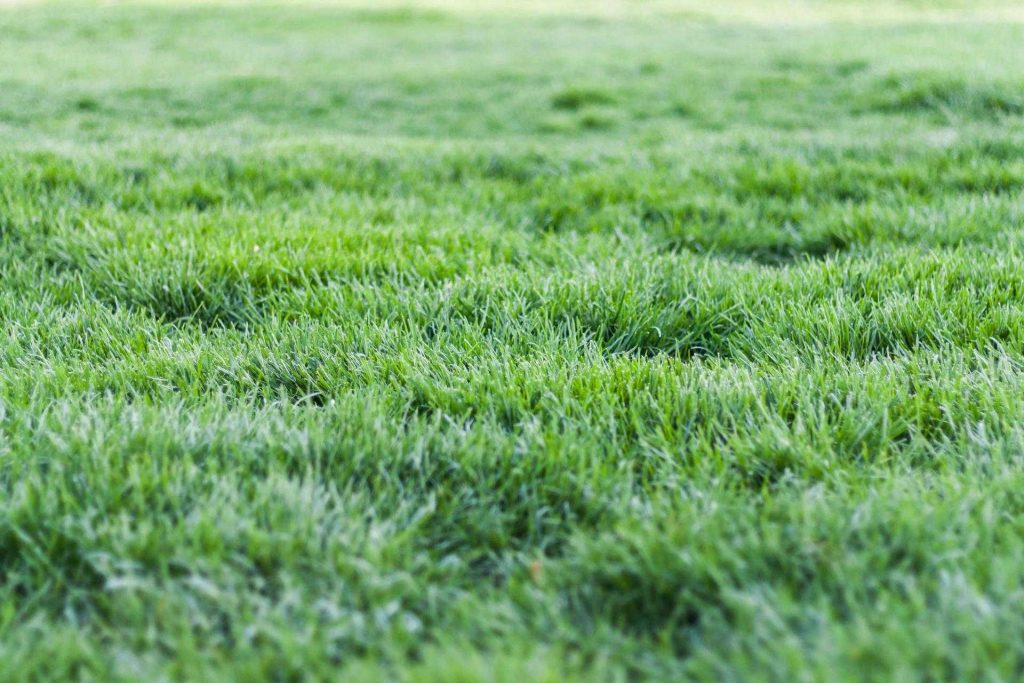
If you’re dealing with a patchy lawn or dead grass, don’t despair! You can successfully plant grass seed over the dead areas and revitalize your yard. The key steps include preparing the soil, selecting the right type of seed, and ensuring proper watering and maintenance. Start by raking the dead grass to expose the soil, then spread a thin layer of topsoil or compost to create a healthy base for the new seeds. Choose a grass type that suits your climate and sun exposure, and sow the seeds evenly. Water the area regularly to keep the seeds moist and encourage germination. With a little patience and care, you’ll have a lush, green lawn in no time!

“`html
How to Plant Grass Seed Over Dead Grass
Planting grass seed over dead grass is an effective method to rejuvenate your lawn. Whether your grass died due to drought, disease, or poor maintenance, you can bring life back to your yard with the right techniques. This guide will help you understand the process in detail and give your lawn a fresh start.
Understanding Why Grass Dies
Before attempting to plant new grass seed, it’s crucial to understand why your existing grass has died. Common reasons include:
- Drought: Lack of water can stress grass, leading to brown patches.
- Pests: Insects can damage grass roots and blades.
- Disease: Fungal infections can kill grass quickly.
- Improper Care: Over-fertilizing or mowing too low can harm grass.
Identifying the cause helps you prevent future problems. Make a plan to improve your lawn’s health before introducing new seeds.
Assessing Your Lawn’s Condition
Once you know why the grass died, you need to assess the remaining lawn. Look for bare spots or areas with thin grass. Use the following steps to evaluate your lawn’s condition:
- Check for soil compaction by probing the ground with a garden fork.
- Look for signs of pests or disease.
- Evaluate drainage and moisture levels in the soil.
Taking these steps ensures that you are aware of any underlying issues that might affect new growth.
Preparing the Area
Preparation is key when planting grass seed over dead grass. This section will guide you through the necessary steps to prepare your lawn effectively.
Removing Dead Grass
Start by getting rid of the dead grass. Raking the area will help remove debris and prepare the soil. A few methods to do this include:
- Use a thatch rake to pull away dead grass and debris.
- Consider using a power rake for larger areas.
- Collect all debris and dispose of it properly.
A clean surface allows for better seed-to-soil contact, which is essential for germination.
Loosening the Soil
Once you have removed the dead grass, it’s time to loosen the soil. This step enhances aeration and ensures your seeds take root. Here’s how to do it:
- Use a garden fork or aerator to poke holes in the ground.
- Aerate the soil to a depth of about 2-4 inches.
Loosening the soil also improves drainage, which is vital for seed germination.
Testing Soil Quality
Testing your soil quality is a smart move. It helps you understand what nutrients are needed for healthy grass growth. Consider testing for:
- pH levels
- Nutrient content
- Organic matter levels
You can buy soil test kits from gardening stores or send samples to a local extension office for analysis. Adjust the soil accordingly based on the results.
Selecting the Right Grass Seed
Choosing the right grass seed is crucial to the success of your lawn. Different grass types thrive in various conditions, so consider:
- Climate: Select a seed type suited for your region.
- Sunlight: Determine if your lawn gets full sun, partial sun, or shade.
- Foot Traffic: Choose a durable variety if your yard will see a lot of use.
Popular grass types include Kentucky bluegrass, Bermuda grass, and fescue. Make sure you pick seeds that fit your lawn’s needs.
Planting the Grass Seed
Once you have prepared the soil and chosen the right seeds, it’s time to plant. Follow these essential steps to ensure success:
Distributing the Seeds
The way you spread your grass seed is important. Consider these methods:
- Hand broadcasting for small areas.
- Using a seed spreader for larger spaces.
Aim for an even distribution to avoid clumping, which can lead to uneven growth.
Seeding Rate
Knowing the correct seeding rate helps with proper growth. Generally, you should plant:
- 3-5 pounds of seed per 1,000 square feet for conventional seeds.
- 1-2 pounds for premium seeds designed for less maintenance.
Following the manufacturer’s guidance ensures adequate coverage.
Covering the Seeds
Once the seeds are spread, lightly cover them with soil. This can be achieved by:
- Raking the soil gently to mix seeds in.
- Using a roller to press seeds into the soil.
Covering seeds protects them from birds and helps maintain moisture.
Watering New Seeds
Proper watering is critical for new grass seed. Aim to keep the soil consistently moist. Follow these watering tips:
- Water lightly several times a day until seeds germinate.
- After germination, reduce watering to once a day for deeper moisture.
Make sure to adjust based on rainfall and temperature.
Maintaining the New Grass
After planting, your newly seeded lawn will need ongoing care. Here’s how to maintain it:
Fertilization
Adding fertilizer encourages healthy growth. Consider these guidelines:
- Use a starter fertilizer high in phosphorus.
- Apply it right after seeding to promote root development.
Follow the package instructions for application rates.
Mowing the Grass
Once your grass reaches about 3 inches in height, it’s time to mow. Here are some tips:
- Never cut more than one-third of the grass blade at a time.
- Keep your mower blade sharp to ensure clean cuts.
Regular mowing encourages thick, lush growth.
Avoiding Common Mistakes
While planting grass seed over dead grass, some mistakes can hinder growth. Avoid the following:
- Skipping soil preparation can lead to poor seed-to-soil contact.
- Overwatering may cause seed rot or fungal issues.
- Using low-quality seeds can result in weak growth.
Being mindful of these pitfalls will enhance your chances of success.
When to Plant Grass Seed
Timing is everything when it comes to planting grass seed. Here’s what to consider:
- Early spring or early fall are the ideal times for planting.
- Avoid extreme temperatures to prevent stress on the seeds.
Check local weather patterns to find the best time for planting.
Planting grass seed over dead grass is a practical way to revive your lawn. With the right preparation, seed selection, and care, you can enjoy a healthy and green outdoor space. Remember to monitor your lawn regularly and address any issues as they arise. Happy gardening!
“`
How to seed BARE SPOTS in your LAWN
Frequently Asked Questions
What steps should I take before planting grass seed on dead grass?
Before planting grass seed on dead grass, assess the area thoroughly. Remove any dead grass and debris to create a clean surface. Loosen the soil by aerating it, which can help the new seeds to penetrate easily. You might also consider applying a layer of topsoil or compost to enhance soil quality and provide nutrients for the new grass. Ensure the soil has good drainage and is not compacted.
When is the best time to plant grass seed over dead grass?
The ideal time to plant grass seed generally depends on your local climate. For cool-season grasses, aim for early spring or early fall. Warm-season grasses thrive when planted in late spring or early summer. Planting at the right time ensures that the seeds have optimal conditions for germination and growth.
How often should I water the newly planted grass seed?
After planting grass seed, water the area lightly and consistently. Initially, water daily or every other day to keep the soil moist but not soggy. As the grass begins to germinate and grow, gradually reduce the frequency to encourage deeper root development. Aim to water deeply about 2-3 times a week once the grass is established.
Should I use fertilizer when planting grass seed over dead grass?
Using fertilizer can benefit your newly planted grass seed. Opt for a starter fertilizer high in phosphorus, which supports root development. Apply it according to package instructions, typically just before or during the seeding process. This gives the new seeds essential nutrients for stronger growth and establishment.
How long does it take for grass seed to germinate over dead grass?
Grass seed germination typically takes anywhere from 7 to 30 days, depending on the grass type and environmental conditions. Factors like temperature, moisture, and soil quality influence germination times. Be patient and maintain consistent care during this period to promote healthy growth.
Final Thoughts
Successfully planting grass seed over dead grass requires careful preparation. Start by removing any dead grass and debris to create a clean surface for the seeds. Then, aerate the soil to ensure proper seed-to-soil contact, promoting optimal germination.
Once the area is prepared, spread the grass seed evenly, following the recommended seeding rate. Water the area gently and provide consistent moisture to help the seeds thrive.
In conclusion, knowing how to plant grass seed over dead grass can lead to a lush, green lawn. With the right preparation and care, you can rejuvenate your yard effectively.