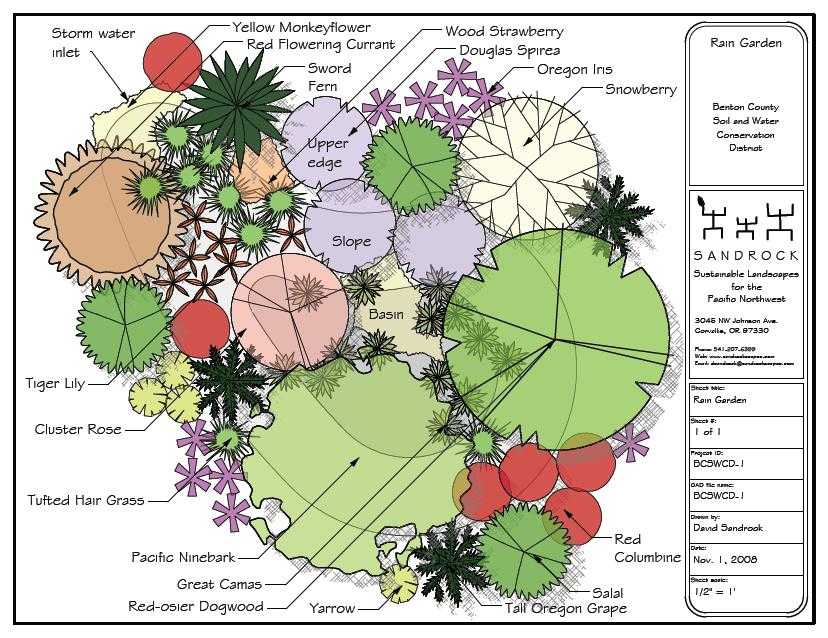
Planning a rain garden is a fantastic way to manage stormwater and beautify your yard simultaneously. To start, choose a location that collects runoff—ideally near downspouts or low areas in your landscape. Next, assess your soil type and drainage characteristics to ensure the garden will thrive. Use native plants that can tolerate both wet and dry conditions, as they’ll be better adapted to local climates and require less maintenance. Ensure proper grading to direct water into the garden, and consider using a mix of plant heights for visual interest. With a little planning and effort, you can create a functional and attractive rain garden that benefits your home and the environment.

How To Plan A Rain Garden
Planning a rain garden can be a fun and educational project that benefits your home and the environment. A rain garden is designed to absorb rainwater runoff from impervious surfaces like driveways and roofs. This not only helps to prevent flooding but also protects local waterways by filtering pollutants. Let’s dive into how you can effectively plan a rain garden that’s both beautiful and functional.
Understanding Rain Gardens
Rain gardens are shallow depressions filled with native plants. These gardens help manage stormwater by allowing water to soak into the ground. Here are some key benefits of rain gardens:
- Reduces runoff and minimizes flooding.
- Filters pollutants to improve water quality.
- Supports local wildlife and creates habitat.
- Adds visual appeal to your landscape.
By planning carefully, you can design a rain garden that complements your yard and provides these environmental benefits.
Choosing the Right Location
Selecting the right spot for your rain garden is crucial. Look for areas where water tends to pool after it rains. A good location is at least ten feet away from your home’s foundation. This distance helps to avoid any water-related damage to your home.
Consider these factors when choosing a location:
- Proximity to downspouts: Position your rain garden near roof downspouts for optimal water collection.
- Slopes: Look for a gently sloping area that allows water to flow into the garden.
- Sunlight: Evaluate sun exposure since plants will thrive better in areas with adequate sunlight.
Once you’ve picked a location, mark it out with garden stakes to visualize the area.
Designing Your Rain Garden
Now that you’ve chosen a location, it’s time to design your garden. Start by determining the size of your garden. A rain garden should generally be about 20% of the area from which it collects water.
After determining size, think about the shape. You can create a round, oval, or irregular design, depending on your preference and landscape. Here are some design elements to consider:
- Layering: Use taller plants in the back and shorter ones in the front for a tiered look.
- Curvature: Incorporating curves can make the garden more visually appealing.
- Natural elements: Consider using boulders or driftwood for added interest.
Planning the layout can enhance both the functionality and aesthetics of your rain garden.
Selecting the Right Plants
Choosing the right plants is essential for a successful rain garden. Native plants are the best option because they are adapted to local conditions and require less maintenance.
Here are some plant categories to think about:
- Upland Plants: These are best situated at the top of the garden. Examples include Black-eyed Susans and Coneflowers.
- Wetland Plants: These thrive in the middle and are perfect for areas that are frequently wet. Consider Blue Flag Iris or Swamp Milkweed.
- Submerged Plants: Position these in the lowest areas where water collects. Joe Pye Weed is a great choice.
Make sure to also consider the blooming times and colors of your plants to create a vibrant display.
Soil Preparation
Well-drained soil is essential for the success of your rain garden. To prepare the soil, you may need to amend it with compost to enhance its ability to absorb water.
Here’s how to prepare the soil:
1. **Remove Grass and Weeds**: Clear the area of existing plants and debris.
2. **Dig Down**: Dig to a depth of about 8-12 inches. This will create a space for water to pool.
3. **Improve Drainage**: Mix sand or gravel with the existing soil to improve drainage if your soil is heavy clay.
This process creates a healthy environment for your plants to thrive.
Building the Garden
After soil preparation, start building your rain garden. Follow these steps to create your garden:
1. **Shape the Basin**: Form the basin to ensure a gentle slope towards the center for water collection.
2. **Plant Arrangement**: Begin planting from the back to the front, placing taller plants in the back.
3. **Mulching**: Add a layer of mulch around the plants to suppress weeds and retain moisture.
Building your rain garden requires some physical effort, but the result is rewarding.
Maintaining Your Rain Garden
Once your rain garden is in place, it’s important to maintain it for long-term success. Here are some maintenance tips:
- Regular Watering: Especially during the first few weeks after planting, ensure your plants are well-watered.
- Weeding: Keep an eye out for invasive weeds that can choke out your native plants.
- Seasonal Cleanup: Removing dead leaves and debris each season helps keep your garden healthy.
Regular maintenance will ensure your rain garden continues to flourish.
Common Challenges in Rain Gardens
While rain gardens are beneficial, they can come with challenges. Some common issues include:
- Water Ponding: If water remains for too long, it can drown plants. Be sure to check for appropriate soil drainage.
- Soil Erosion: Heavy rains can wash away soil. Consider adding stones or plants to stabilize the slopes.
- Pest Issues: Sometimes pests can invade. Always keep an eye on the health of your plants.
Identifying these challenges early will help you maintain a healthy rain garden.
Community Involvement
Planning and building a rain garden can be a fantastic community project. Consider reaching out to neighbors or local organizations to create a larger rain garden.
Here are some ideas for community involvement:
- Workshops: Organize workshops to teach others about rain gardens.
- Planting Days: Host community planting days to engage volunteers.
- Sharing Success Stories: Encourage participants to share their rain garden experiences.
Creating community gardens not only beautifies the area but also promotes environmental awareness.
Planning a rain garden is not only rewarding but it also creates positive impacts on the environment. Through proper design, plant selection, and maintenance, your rain garden can thrive and provide essential benefits. With a little effort, you can create a beautiful ecosystem right in your backyard that helps manage water runoff and supports local wildlife.
How To Create a Rain Garden | Ask This Old House
Frequently Asked Questions
“`html
What are the key benefits of installing a rain garden?
Installing a rain garden offers several benefits. It helps manage stormwater runoff by allowing water to infiltrate into the ground, reducing flooding and erosion. Additionally, rain gardens filter pollutants from rainwater, improving water quality in local streams and rivers. They also provide habitat for wildlife and enhance the beauty of your landscape.
What types of plants are suitable for a rain garden?
Choose plants that thrive in wet conditions for your rain garden. Native plants are often the best choice as they adapt well to local soil and weather conditions. Look for a variety of species, including grasses, wildflowers, and shrubs, that can tolerate both wet and dry periods. Incorporating plants with different heights creates visual interest and supports diverse wildlife.
How do I determine the size and location of my rain garden?
To determine the size and location, observe the flow of water in your yard during rainstorms. The rain garden should be placed at least 10 feet away from buildings to prevent water damage. Ideally, size it based on the area of the impervious surface draining into it. A common guideline is to make the rain garden about 20% of the size of the contributing impervious area.
What are the essential steps for constructing a rain garden?
Start by selecting a suitable location and marking the garden’s outline. Excavate the area to a depth of 6 to 12 inches, creating a shallow bowl shape. Add a sandy soil mixture to improve drainage, then plant your chosen vegetation. Finally, mulch around the plants to retain moisture and suppress weeds.
How can I maintain my rain garden over time?
Regular maintenance of your rain garden is essential for its health. Remove any weeds that may appear, and check for signs of erosion or sediment buildup. Water the plants during dry spells, especially in their first year. Prune and divide plants as needed to ensure they thrive, and replace any dead plants promptly.
“`
Final Thoughts
Planning a rain garden involves selecting the right location, considering the drainage patterns, and choosing appropriate native plants. Assess your yard for areas that collect rainwater and ensure it receives enough sunlight for plant growth.
Next, prepare the soil and create a designated space for your rain garden with a depth of about 6-12 inches. Mulch helps retain moisture and keeps weeds at bay, enhancing your garden’s effectiveness.
Following these steps, you’ll successfully implement “How To Plan A Rain Garden” in your landscape, benefiting both the environment and your home. Enjoy the beauty and functionality of your new rain garden.