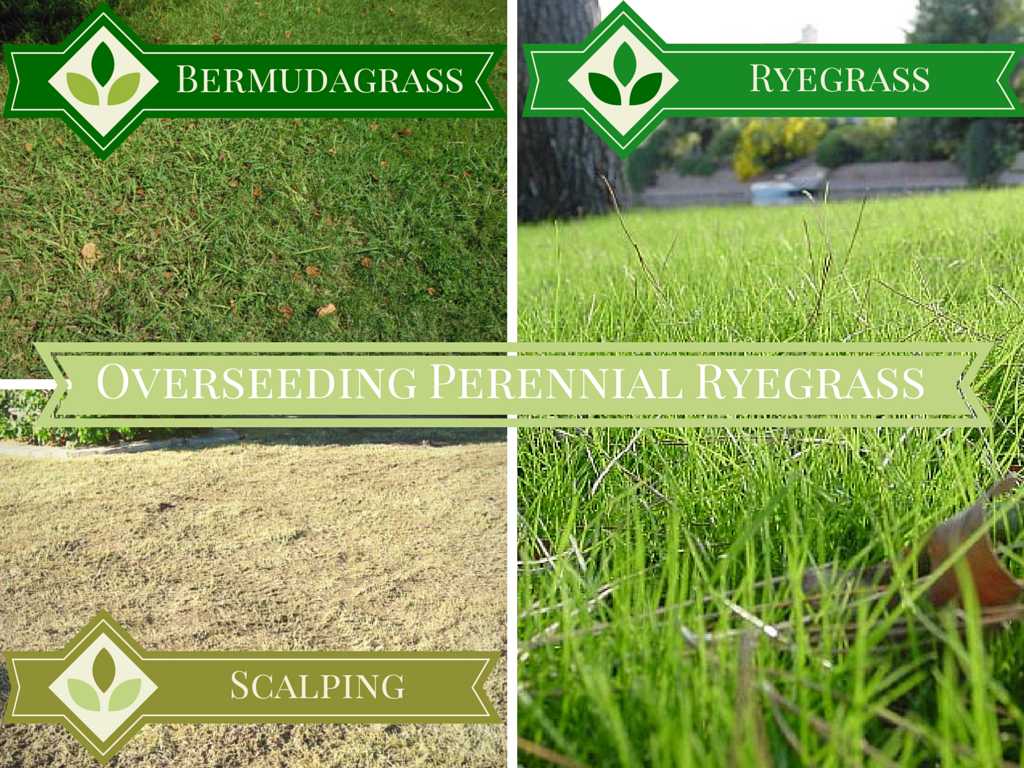
Quick answer: To overseed annual ryegrass successfully, prepare the soil by mowing the existing grass, aerating, and adding a thin layer of topsoil or compost. Then, evenly spread the seed and keep the area moist until new growth is established. It’s a straightforward process that revitalizes your lawn and ensures a lush, vibrant turf.
Overseeing annual ryegrass is a fantastic way to keep your lawn green and healthy, especially during cooler months. If you’re looking to strengthen your turf and fill in bare patches, overseeding is the way to go. The key is proper preparation—mowing your existing grass to a manageable height, aerating to loosen the soil, and applying seed evenly. Consistent watering is crucial to promote germination and growth. With a little effort and patience, you’ll enjoy a thick, lush lawn that’s more resistant to weeds and disease. Whether you’re rejuvenating an old lawn or filling in sparse areas, overseeding annual ryegrass is an easy, cost-effective project that delivers impressive results.

How to Overseed Annual Ryegrass: A Complete Guide
Understanding Why Overseeding Is Important
Overseeding helps keep your lawn healthy and green throughout the year. It involves adding new ryegrass seeds to an existing lawn to fill in bare spots and improve turf density. Proper overseeding can prevent weed growth and make your yard more resilient to drought and foot traffic.
Choosing the Right Time to Overseed
Timing is key for successful overseeding of annual ryegrass. The best periods are usually during early fall or spring, when soil temperatures are between 50°F and 65°F. Avoid overseeding during very hot or cold months, as seeds need warm soil for germination but not extreme temperatures to thrive.
Preparing Your Lawn for Overseeding
Preparation starts with a thorough lawn analysis to identify thin areas or bare patches. Clear away any debris such as leaves, sticks, or dead grass. Mow your existing grass to a short height—around 1 to 2 inches—to allow seeds good contact with the soil.
Removing Thatch and Aerating the Soil
Thatch is a layer of dead grass and roots that can prevent seeds from reaching the soil. Use a dethatching rake or an aerator to break up compacted soil and improve seed-to-soil contact. Aeration also helps water, air, and nutrients reach the roots more effectively.
Selecting the Correct Ryegrass Seed
Choose a high-quality annual ryegrass seed suitable for your climate and lawn usage. Look for seeds with a high germination rate and low percentage of weed seeds. Opt for a seed mix that includes disease resistance and fast germination to ensure quick coverage.
Understanding Ryegrass Varieties
Annual ryegrass is popular for its quick germination and bright green color. There are different varieties, including fine-leaved and coarse-leaved types. Fine-leaved varieties tend to blend better with existing grass, providing a more uniform appearance.
Calculating the Proper Seeding Rate
Accurate seeding rate ensures even coverage without overcrowding. Typically, for overseeding, use about 15 to 20 pounds of seed per 1000 square feet. Spread seeds uniformly using a broadcast spreader for best results, ensuring no areas are missed.
Applying the Seeds Effectively
Spread the seeds evenly across your prepared lawn. After seeding, lightly rake the soil to incorporate the seeds into the topsoil layer. You can also apply a thin layer of compost or soil to protect seeds from birds and help retain moisture.
Using Mulch or Covering Materials
Applying a thin layer of straw or mulch can help keep the seeds moist, prevent erosion, and protect them from birds. Ensure the covering is light so as not to block sunlight or air circulation needed for germination.
Watering for Successful Germination
Consistent moisture is critical during germination. Water your lawn lightly but frequently—at least once or twice daily—to keep the soil consistently moist. Avoid overwatering, which can drown seeds or cause soil erosion.
Maintaining Proper Moisture Levels
Use a rain gauge or moisture meter to monitor soil moisture. Water early in the morning or late in the afternoon to reduce evaporation. As seedlings emerge, gradually reduce watering frequency but increase volume per session.
Managing Growth and Ensuring Healthy Development
Once your ryegrass starts growing, avoid heavy foot traffic. Continue regular watering and mowing at a height of about 2 to 3 inches to promote dense growth. Fertilize lightly after germination to encourage strong root development.
Fertilization Tips
Apply a balanced fertilizer with nitrogen to support lush growth. Use slow-release fertilizers to prevent overfeeding, which can lead to disease or weak stems. Follow the manufacturer’s instructions for timing and quantities.
Common Challenges and How to Address Them
Overseeding can encounter problems like poor germination, weed invasion, or uneven growth. Ensure seed-to-soil contact, maintain proper moisture, and keep weeds out of the seedbed to prevent these issues.
Dealing with Bad Germination
If germination is poor, consider reseeding in affected areas. Make sure the soil temperature is within the ideal range and that seeds are fresh. Avoid watering too heavily or too infrequently.
Controlling Weeds
Apply a pre-emergent weed control before overseeding, but only if it is safe for new ryegrass. After germination, use spot treatments for weeds, making sure not to damage young grass.
Long-Term Maintenance of Your Overseeded Lawn
Proper care after overseeding helps you enjoy a lush, thick yard. Regular mowing, watering, and fertilizing are essential. Aerate periodically to reduce soil compaction and prevent thatch buildup.
Overseeding as Part of Lawn Renovation
Combine overseeding with other lawn improvements like dethatching and fertilization to optimize results. This integrated approach helps strengthen your existing grass and promotes long-lasting health.
Additional Tips for Success
Always follow the seed provider’s instructions for best results. Use quality tools for spreading and soil preparation. Patience is crucial, as it takes a few weeks for ryegrass to fully establish.
Safety and Environmental Considerations
Choose environmentally friendly fertilizers and avoid overwatering to prevent runoff. Properly dispose of any waste and consider organic options when possible.
Summary of Key Steps
- Choose the optimal time for overseeding
- Prepare the lawn thoroughly
- Select the best seed variety and calculate the correct amount
- Spread the seed evenly and incorporate it into the soil
- Protect seeds with mulch or cover if needed
- Maintain consistent watering and avoid heavy traffic
- Monitor growth and adapt care as needed
By following these detailed steps, you can successfully overseed your annual ryegrass lawn. This process results in a vibrant, resilient yard that stays beautiful year-round. Remember, patience and consistent care are key to achieving the best results.
How To Overseed Bermuda Grass With Perennial Ryegrass
Frequently Asked Questions
What is the best time of year to overseed annual ryegrass?
The optimal time to overseed annual ryegrass is during the early fall or late summer when temperatures are moderate and soil conditions are favorable. This period allows the grass to establish roots before the colder months and takes advantage of increased rainfall, promoting healthy germination and growth.
How should I prepare my existing lawn before overseeding?
Prepare your lawn by mowing it to a shorter height to remove overgrown grass and reduce competition for seedlings. Rake the area thoroughly to eliminate debris, dead grass, and thatch, creating a clean surface. Aerate the soil if necessary to improve air and water penetration, which helps the new seed take root more effectively.
What type of seed and soil mixture should I use for overseeding?
Select high-quality annual ryegrass seed that is disease-resistant and suited for your climate. Mix the seed with soil conditioners or compost to enhance soil contact and fertility. Ensure the soil has good drainage and pH levels around 6.0 to 7.0, adjusting if needed to create an ideal environment for germination.
How should I apply the seed for best results?
Distribute the seed evenly across the prepared area using a broadcast spreader or hand spreader. Follow the recommended seeding rate to avoid overcrowding or sparse coverage. Lightly rake the soil after spreading to incorporate the seed into the top layer of soil, which encourages better contact and germination.
What watering schedule should I follow after overseeding?
Water the overseeded area gently and frequently to keep the soil consistently moist but not waterlogged. Aim for watering two to three times daily during the first couple of weeks, adjusting based on weather conditions. Maintain moisture until the new grass has firmly established and started to grow actively.
Final Thoughts
To overseed annual ryegrass effectively, start by mowing your existing turf short to create a good seed-to-soil contact. Aerate the soil to improve seed penetration and water absorption. Spread the seeds evenly using a broadcast spreader, then lightly water the area to help the seeds germinate.
Consistent watering and proper soil preparation are key to successful overseeding. By following these steps, you ensure healthy growth. In conclusion, knowing how to overseed annual ryegrass allows you to maintain a lush, vibrant lawn with minimal effort.