To mow around trees and obstacles effectively, use careful trimming techniques, flexible tools, and a strategic approach to avoid damaging your equipment or the landscape. Start by planning your mowing pattern to navigate tight spots smoothly, and utilize tools like trimmers or edging systems for precision around tricky areas. The key is patience and adaptation, ensuring you get a clean cut without harming the trees or obstacles in your yard.
In a nutshell, the best way to mow around trees and obstacles is to plan your route carefully, use suitable tools for tight spaces, and take your time to work around each obstacle methodically. This approach helps maintain a tidy yard while protecting your plants and equipment from damage.
Mowing around trees and obstacles can be a real challenge, especially when you want a neat yard without risking harm to your plants or mower blades. Whether it’s a tall oak or a decorative flower bed, navigating these areas requires more than just pushing a mower in straight lines. It’s about adjusting your technique, choosing the right tools, and working patiently to get a pristine look without damaging anything. This is especially important in smaller or more intricate yards where obstacles are unavoidable. Learning how to handle these tricky spots not only makes yard maintenance easier but also prolongs the life of your mower blades and keeps your landscape healthy and attractive.

How to mow around trees and obstacles
Mowing around trees and obstacles can be a tricky task for many homeowners. It requires patience, the right tools, and a good strategy to keep your lawn neat without damaging your plants or equipment. Proper technique not only saves time but also promotes healthy grass growth and maintains the overall beauty of your yard. In this guide, we will explore the best ways to tackle this common challenge.
Understanding Your Lawn and Obstacles
Before starting, it is important to know what obstacles you will encounter. Common obstacles include trees, shrubs, flower beds, garden ornaments, and uneven terrain. Each of these requires a specific approach to avoid damage.
To prepare, walk around your yard and identify all obstacles. Take note of their size, shape, and how close they are to the grass. This helps plan the mowing pattern and choose suitable equipment. Recognizing these features early can prevent accidents and save time during mowing.
Choosing the Right Mowing Equipment
The type of mower you use plays a significant role in how effectively you can mow around obstacles. Here are some options:
Push Lawn Mowers
- Ideal for small to medium yards with scattered obstacles.
- Allows precise control around plants and tight corners.
- Requires more physical effort but offers flexibility.
Riding Mowers
- Suitable for larger lawns with many obstacles.
- Has adjustable cutting height and good maneuverability.
- Best for open spaces but may need attachments for trimming close to obstacles.
String Trimmers or Weed Eaters
- Perfect for trimming around trees, flower beds, and tight spots.
- Allows detailed edging and close cutting.
- Should be used carefully to prevent damage to plants.
Specialty Tools
- Edging tools for clean borders along flower beds.
- Hand shears or pruners for delicate trimming around decorative plants.
Choosing the right equipment depends on your lawn size and obstacle types. Combining these tools can make your job easier and more efficient.
Planning Your Mowing Pattern
A well-thought-out pattern makes mowing around obstacles safer and faster. Start by planning a route that avoids unnecessary passes over delicate plants.
Begin mowing from the perimeter of your yard inward, working around obstacles as you go. Using a pattern such as spiraling inwards or a grid layout ensures full coverage without repeatedly passing over the same areas.
Remember to change your mowing pattern regularly to prevent grass from developing ruts or uneven growth. This also distributes wear evenly on your mower.
Techniques for Mowing Around Trees and Obstacles
Different obstacles require different approaches. Here are some effective techniques:
Mowing Around Trees
- Start by trimming or trimming the grass close to the trunk with a string trimmer.
- Use a mower with a flexible attachment or a narrow deck to navigate tight spaces.
- Maintain a safe distance from the tree to avoid damaging the bark or roots.
- Cut in small circles around the trunk if necessary, and gradually widen the radius.
Mowing Along Flower Beds and Garden Borders
- Use a string trimmer or edging tool for neat, precise edges.
- Set your mower deck to the highest setting when passing close to flower beds to avoid plant damage.
- Work from the edge inward, making sure to clear debris as you go.
Handling Obstacles in the Path
- Clear debris from around large obstacles before mowing.
- For small rocks or garden ornaments, proceed slowly to prevent mower blade damage.
- Use a garden rake to smooth out uneven patches around obstacles.
Maintaining Your Equipment for Better Performance
Proper maintenance ensures your mower and trimming tools work efficiently. Regularly check and sharpen blades to ensure clean cuts that promote healthy grass.
Keep your equipment clean by removing grass clippings and dirt after each use. Lubricate moving parts to prevent rust and wear.
A well-maintained mower enables precise cuts and reduces the risk of damage to your obstacles and plants.
Safety Tips for Mowing Around Obstacles
Safety is paramount when mowing near trees and obstacles. Always wear protective gear such as safety glasses and sturdy gloves.
Be aware of your surroundings, especially when handling powered tools like trimmers. Keep children and pets away from the mowing area during operation.
Turn off the mower or trimmer when adjusting positions or removing debris. Avoid rushing, as quick movements can lead to accidents or damage.
Additional Tips for a Beautiful Yard
To keep your lawn healthy and attractive, follow these helpful tips:
- Regularly water and fertilize your lawn for lush growth.
- Prune trees and shrubs to prevent overgrowth that can interfere with mowing.
- Use mulch around trees and flower beds to suppress weeds and retain moisture.
- Schedule mowing sessions during dry weather to prevent turf damage.
Maintaining a clear plan and using the right tools make mowing around trees and obstacles less stressful. With patience and practice, you can achieve a clean, attractive yard that welcomes family, friends, and outdoor activities.
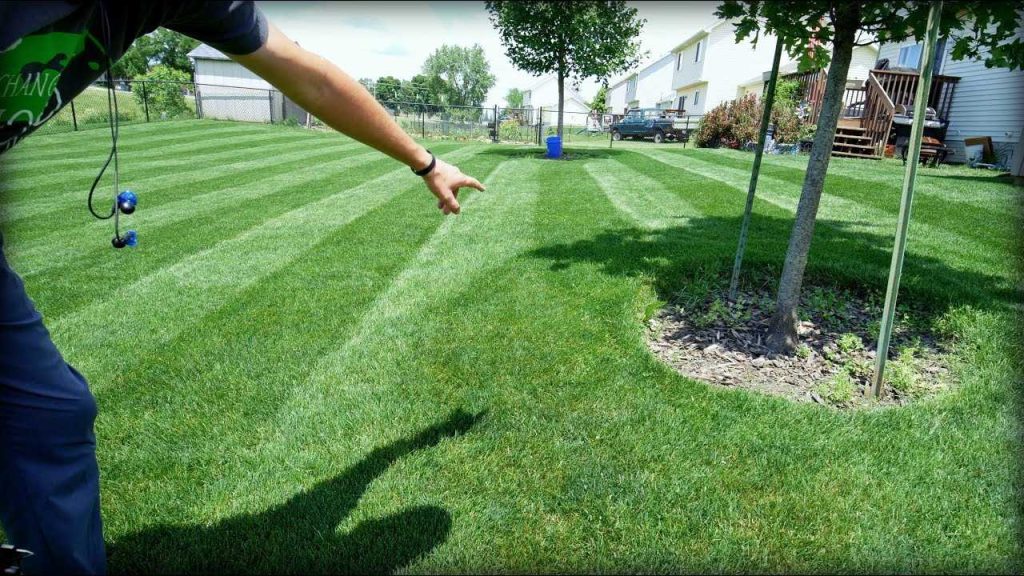
Lawn Striping Around Trees and Obstacles + Project Lawn Finale!
Frequently Asked Questions
What techniques help prevent damage to trees while mowing?
To avoid harming trees, use a mower with a adjustable height setting and set it to a higher level near the base of the tree. Make wide, sweeping turns around the trunk instead of tight circles to minimize contact. Additionally, consider using a string trimmer or hand tools for the delicate areas close to the tree to prevent accidental damage.
How can I effectively mow around obstacles without missing patches of grass?
Start by mowing in a pattern that systematically covers the area, such as a circular or grid pattern. Use a string line or marking paint to outline obstacles and keep your mower aligned. Take your time to maneuver around each obstacle carefully, and use trimming tools for detailed work near fixed objects to ensure full coverage.
Are there tools specifically designed for mowing around trees and obstacles?
Yes, tools like weed whackers, curved blades, and edging trimmers are ideal for working close to trees and obstacles. For larger areas, maneuverable lawn tractors with adjustable attachments can help navigate around irregular shapes. Employing these tools allows precise trimming, reducing the risk of damaging surrounding elements while achieving a clean lawn.
Final Thoughts
How to mow around trees and obstacles is essential for a beautiful lawn. Use a trimmer or edging tool to reach tight spots without damaging the grass. Move around obstacles carefully to avoid accidents or uneven cuts.
Shift your mowing pattern regularly to prevent ruts and ensure even growth. Be cautious near tree trunks, lifting the mower to avoid harm. These practices help maintain a healthy, neat lawn around trees and obstacles.