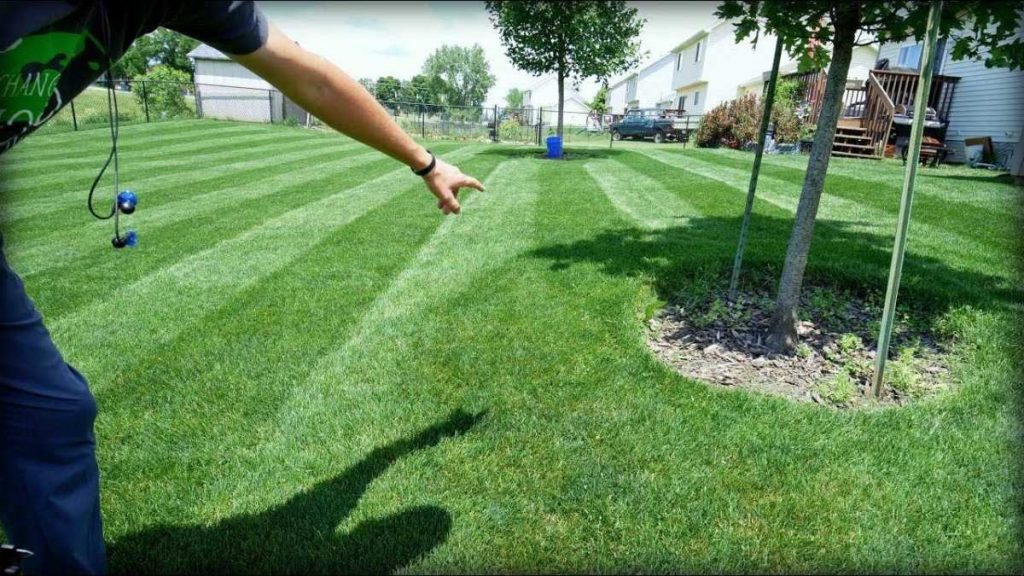
To mow an irregular shaped lawn efficiently, start by dividing the area into manageable sections and use a combination of different mowing patterns to navigate tricky corners and curves. Keep your mower steady, trim edges carefully, and consider using tools like trimmers for hard-to-reach spots. With a bit of planning and patience, you can achieve a beautifully manicured lawn regardless of its shape.
For an irregularly shaped lawn, the key is breaking down the space into smaller sections and working systematically to avoid missing spots or creating an uneven look. Adapting your mowing techniques—such as over-lapping passes and using different blades or tools—helps you tackle curves and awkward corners with ease. Proper planning ensures that you maintain a tidy, healthy lawn that complements its unique shape.
Mowing an irregular shaped lawn can seem daunting at first, but it’s entirely manageable with the right approach. Instead of trying to mow everything in a straight line, focus on strategic planning. Start by sketching out the shape and identifying the trickier areas, then plan your mowing routes accordingly. Use a reel mower or a trimmer for tight corners, and make overlapping passes for even coverage. Taking your time and approaching it section by section will help you keep the lawn looking neat and professional. Remember, patience and a good strategy are your best tools in transforming an unconventional lawn into a beautiful outdoor space.

How to Mow an Irregular Shaped Lawn
Understanding the Unique Challenges of Irregular Shaped Lawns
Mowing an irregular shaped lawn requires special attention because of its varied edges and nooks. Unlike rectangular yards with straight lines, these lawns have curves, angles, and unexpected corners. Knowing these features helps you plan your mowing strategy to achieve a neat and healthy lawn.
The key challenge is maintaining consistency in cut length across uneven surfaces. Uneven terrain and unpredictable boundaries can lead to missed spots or uneven patches if you’re not careful. Observing your lawn’s layout is the first step toward creating an effective mowing plan.
Preparing Your Equipment for Complex Lawn Shapes
Before starting, ensure your mower is in good condition. Sharp blades are essential for a clean cut, especially on irregular edges that can catch or tear. Use a high-quality mower suited for your yard size, such as a reel mower for small patches or a riding mower for larger lawns.
Consider tools that help with tricky areas. Edging shears or trimmers allow access to tight corners and edges that standard mowers can’t reach. Having a leaf blower or broom nearby can also help clear debris after mowing, especially in irregular nooks.
Mapping Out Your Lawn to Plan Mowing Lines
Creating a simple map of your lawn helps visualize the mowing process. Mark different sections and note any tight spots or slopes. Planning your starting point and the direction of mowing reduces confusion and missed areas.
Designate main paths based on your lawn’s shape. For instance, mow in a clockwise pattern around large sections and switch directions on different passes. This systematic approach improves efficiency and results in an even cut.
Choosing the Right Mowing Pattern for Irregular Lawns
Use a combination of mowing patterns to manage irregular shapes effectively. Parallel passes work well on large, open areas, while curved or diagonal lines suit rounded or oddly shaped sections. Avoid mowing in random directions, which can lead to uneven edges.
For lawns with complex borders, consider a perimeter-first approach. Mow along the edges first to define the shape, then work inward. This method ensures you don’t miss tricky corners or curves.
Handling Edges and Corners with Precision
Edges and corners need special attention because they often have uneven boundaries. Use a string trimmer or edging tool to tidy these areas after mowing. For tight corners, maneuver your mower carefully, going slowly to avoid scalping the grass or damaging the mower.
Adjust your approach based on the shape. For rounded edges, follow the curve smoothly. For irregular angles, mow along the boundary carefully, maintaining consistent blade height for an even look.
Dealing with Slopes and Uneven Terrain
Sloped areas require safer and more precise mowing techniques. Mow uphill or downhill gradually, avoiding rushing to prevent slips. Use a mower with good traction or consider a walk-behind mower for steep slopes.
On uneven patches, adjust your cutting height to prevent scalping or missing patches. Regularly check the terrain as you work to stay safe and maintain uniformity in the grass height.
Maintaining Consistent Cutting Height Across Irregular Shapes
Adjust your mower’s cutting height to match the terrain and grass type. Irregular lawns often have uneven patches, so setting an intermediate height gives the best overall appearance. Lower the blades for a neater look, but be cautious on uneven spots.
Test the height on a small section first. Regularly review the cut to ensure no patches are overgrown or scalped. Consistent height promotes healthy grass and a tidy look.
Incorporating Edging and Trimming for a Polished Finish
After mowing, edges and trims bring a clean, finished appearance. Use a string trimmer along borders, flowerbeds, and pathways to tidy up irregular lines. Carefully trim around trees or other obstacles to prevent damage.
Edging along curves and irregular borders enhances the visual appeal. Regular trimming keeps the lawn looking sharp and well-maintained.
Managing Debris and Clippings on Irregular Shapes
The uneven edges and corners can trap grass clippings and debris. Use a rake or leaf blower to clear these areas after mowing. This step prevents buildup that could smother grass or cause pests.
If you prefer mulching, ensure your mower has a mulching blade and that it’s set correctly. Mulched grass adds nutrients back into the soil and keeps the yard looking tidy.
Regular Maintenance and Mowing Schedule
Mow regularly to prevent grass from becoming overgrown, which is especially important in complex shapes. Aim for a weekly or bi-weekly schedule depending on grass growth and weather conditions.
Keeping a consistent routine ensures the lawn remains healthy and looks uniform throughout the year. It also makes mowing easier over time, as the grass doesn’t get too tall or unruly.
Seasonal Tips for Irregular Shaped Lawns
Adjust your mowing approach for seasonal changes. In spring and summer, you may mow more frequently to accommodate rapid growth. In fall, reduce mowing height to prepare for winter dormancy.
During wet seasons, mow with care to prevent slipping and uneven cuts. Sharp blades and proper equipment handling are critical for maintaining irregular shapes year-round.
Additional Tools and Accessories to Simplify the Process
Consider investing in tools like riding mowers with adjustable decks for larger yards or multi-directional blades for better maneuverability. Use wheel-guides or marking flags to navigate tricky corners easily.
Accessories such as grass catchers, side discharge chutes, or mulching kits help manage clippings and improve overall lawn appearance. These additions make mowing irregular shapes more manageable and less time-consuming.
Mowing an irregular shaped lawn can be challenging but rewarding with the right techniques. Planning your approach, choosing appropriate tools, and paying attention to detail create a tidy, healthy yard. Regular maintenance and careful handling of edges, slopes, and uneven terrain will keep your lawn looking its best.
Basic Mowing Patterns
Frequently Asked Questions
What are effective techniques for mowing lawns with complex shapes?
Using a combination of the side-to-side and up-and-down mowing patterns helps manage irregularly shaped lawns effectively. Start by dividing the lawn into sections and mow along the longer, straighter edges first. Use a boundary mower or trimmer for tight corners and tricky areas. This approach ensures your grass is cut evenly and reaches all areas without missing spots.
How should I approach cutting around obstructed or uneven areas?
When mowing around obstacles such as trees, flower beds, or uneven patches, switch to a trimmer or edger for precise cuts. Mow the surrounding areas first, then carefully work around obstacles to avoid damaging the grass or equipment. For uneven spots, adjust your mowing height or use a grass catcher to prevent clumping and ensure a clean, even finish.
What tools can help me achieve a tidy appearance on an irregular lawn?
A rotary mower with adjustable height settings allows you to adapt to different terrain levels. Using a string trimmer or edging tool helps tidy up borders and hard-to-reach corners. Additionally, a lawn roller can smooth out uneven patches if necessary. Combining these tools produces a uniform look across a varied landscape.
How do I decide on the best mowing pattern for an irregular lawn?
Choose a pattern that minimizes cuts across the most challenging areas and emphasizes the natural shape of your lawn. Vertical, diagonal, or curved patterns work well, depending on the shape. Creating a pattern that works with the terrain reduces strain on your equipment and results in a more uniform cut.
What are some tips for maintaining a clean cut on irregularly shaped lawns?
Keep your mower blades sharp to ensure a clean cut and prevent tearing grass. Mow at the proper height for your grass type, and avoid cutting more than one-third of the grass height at a time. Regularly overlapping your mowing paths prevents missed spots and maintains a neat appearance on complex-shaped lawns.
Final Thoughts
In conclusion, learning how to mow an irregular shaped lawn requires strategic planning and careful maneuvering. Start by mapping out the area and defining the edges to create a clear mowing plan. Use a trimmer or edging tool to tidy up borders before using the mower. Focus on consistent cutting patterns to ensure an even and tidy appearance. Proper technique makes mowing irregular shaped lawns more efficient and leaves your yard looking well-maintained.