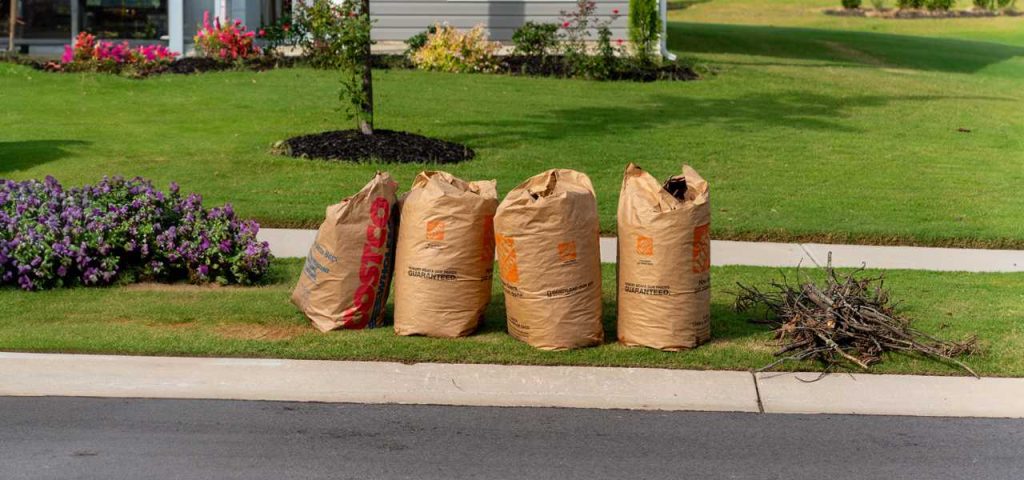
To manage leaf waste effectively, start by collecting fallen leaves regularly and using them as compost or mulch. Mulching leaves with a lawnmower creates nutrient-rich ground cover, reducing waste and feeding your garden. Composting leaves breaks them down naturally, turning them into valuable organic matter that enhances soil health.
Dealing with leaf waste can feel overwhelming, especially during the fall when trees shed abundantly. However, with a few simple strategies, you can turn this seasonal chore into an eco-friendly and beneficial activity for your garden. By composting, mulching, or collecting leaves for other uses, you reduce waste and improve your yard’s health. Properly managing leaf debris not only keeps your outdoor space tidy but also contributes to sustainable gardening practices. Whether you prefer to compost, mulch, or repurpose leaves, implementing these techniques will ensure your backyard stays attractive and eco-conscious throughout the seasons.

How to manage leaf waste in your backyard
Understanding the importance of managing leaf waste
Properly handling leaf waste helps prevent clogged gutters, reduces yard mess, and keeps your outdoor space looking tidy. Leaves can also benefit your garden when managed correctly. Left unchecked, however, they can smother grass and plants, leading to poor lawn health.
Why leaf waste can be problematic
Accumulated leaves can create a thick layer that blocks sunlight from reaching grasses and plants. This can result in dead patches and pests like molds and insects developing underneath. Excess leaves may also cause drainage issues and attract rodents.
Assessing your yard’s leaf situation
Before beginning cleanup, analyze how many leaves have fallen and identify problem areas. Are leaves covering your lawn evenly or piling up in corners? This helps plan the best method for leaf management. Keep in mind the type of trees nearby to anticipate leaf volume.
Tools and supplies for managing leaf waste
Having the right tools makes leaf cleanup more efficient. Some essentials include:
- Leaf rake
- Leaf blower
- Gardening gloves
- Garden bags or compost bins
- Pruning shears for cleaning up branches
Invest in durable equipment for easier and quicker cleanup.
Effective techniques for raking leaves
Raking remains one of the simplest ways to gather leaves. Use a wide, flexible rake to cover large areas quickly. Rake leaves into manageable piles, focusing on high-traffic areas and under trees. Take care not to rip up grass while raking, especially on damp days.
Best practices for raking
- Start from the edges and work inward
- Use smooth, gentle strokes
- Collect leaves in stacks for easier collection
- Periodically clear raked leaves to avoid piling too high
Using leaf blowers for quick cleanup
A leaf blower can significantly speed up leaf collection, especially in large yards. It allows you to move leaves into piles with less effort. Choose between electric or gas-powered blowers based on yard size and convenience.
Safety tips for leaf blower use
- Wear eye protection
- Keep a safe distance from people and pets
- Be mindful of noise levels and local noise regulations
- Use appropriate attachments for varied tasks
Composting leaf waste
Composting transformed leaves into rich soil for your garden. Shredded leaves decompose faster and serve as excellent mulch. To compost leaves effectively, mix them with green waste like grass clippings or vegetable scraps.
Steps to compost leaves
- Shred leaves using a mower or leaf shredder
- Layer shredded leaves with green waste in a compost bin
- Maintain moisture levels similar to a damp sponge
- Turn the compost regularly for aeration
- Wait several months until the compost looks dark and crumbly
Creating leaf mulch for garden beds
Using leaves as mulch helps retain moisture, suppress weeds, and improve soil quality. Spread shredded leaves in garden beds around plants and trees, avoiding direct contact with stems. This method is eco-friendly and reduces waste.
Benefits of leaf mulch
- Conserves water
- Regulates soil temperature
- Adds organic matter over time
- Prevents weed growth
Disposing of excess leaves responsibly
Not all leaves are suitable for compost or mulch, especially if contaminated or diseased. Contact your local waste management services for yard waste pickup or visit green waste disposal sites. Many communities also offer leaf collection days in the fall.
Creating a leaf management schedule
Developing a regular routine ensures your yard stays tidy throughout the leaf-falling season. Adopt a schedule based on tree species and weather conditions. For example, rake or blow leaves weekly during peak times to prevent accumulation.
Involving the community
Sharing leaf waste with neighbors or local community gardens can reduce waste quickly. Organize leaf collection days or join neighborhood composting programs to turn leaf waste into valuable resources.
Additional tips for effective leaf management
- Avoid blowing leaves into storm drains — it can cause flooding
- Use biodegradable yard bags or compost bins for waste
- Consider planting ground covers or mulching mowers to reduce leaf buildup
- Stay safe and wear appropriate gear during cleanup activities
Maintaining a healthy backyard with good leaf practices
Consistent leaf management prevents pests and disease problems while promoting healthy grass and plants. Keeping your backyard clean and tidy also reduces potential hazards and enhances outdoor enjoyment.
Managing leaf waste doesn’t have to be overwhelming. With proper tools, techniques, and timing, you can keep your yard looking great and turn what seems like waste into a garden asset. Regular attention to leaf cleanup boosts your outdoor space’s beauty and health.
5 Composting Myths You Should Stop Believing Right Now
Frequently Asked Questions
What are effective ways to compost leaf waste in my backyard?
To compost leaf waste effectively, start by raking the leaves into a pile or bin. Mix the leaves with nitrogen-rich materials like grass clippings or vegetable scraps to balance carbon and nitrogen levels. Turn the compost regularly to aerate it and speed up decomposition. Keep the compost moist but not soggy, and allow it to mature over a few months until it turns dark and crumbly. This compost can enrich your soil and reduce waste.
How can I prevent weeds from growing amidst leaf piles?
To prevent weed growth, layer your leaf piles with a thick sheet of cardboard or landscape fabric before adding leaves. This layer acts as a barrier to weed seeds and keeps them from sprouting. Regularly turn and mix the leaves to disrupt any emerging weeds. Additionally, avoid leaving leaf piles in the same spot for extended periods, as this can create a suitable environment for weeds to establish.
What are some safe methods to dispose of large quantities of leaf waste?
If you generate large amounts of leaf waste, consider using a leaf vacuum or mulcher to reduce volume. You can then either compost the shredded leaves or use them as mulch around trees and garden beds. Many communities also offer yard waste pickup services or designated drop-off sites for leaf disposal. These options help manage waste responsibly and keep your yard tidy.
How can I repurpose fallen leaves to benefit my garden?
You can use fallen leaves as mulch to insulate soil, retain moisture, and suppress weeds. Shred the leaves before applying them around plants to prevent matting and improve decomposition. You can also incorporate shredded leaves into your garden beds as organic matter to enrich the soil over time. This approach improves soil structure and adds nutrients naturally.
Are there any tools that make managing leaf waste easier?
Yes, tools like leaf blowers, rakes, and mulchers help manage leaf waste more efficiently. A leaf mulcher reduces leaves into smaller particles, making composting or mulching easier. Rakes help gather leaves quickly, especially in large areas. Using these tools can save time and effort while keeping your yard clean and free of leaf debris.
Final Thoughts
Managing leaf waste in your backyard involves simple steps. Collect fallen leaves regularly to prevent clutter and maintain a tidy space. Compost the leaves to create nutrient-rich soil or use them as mulch to protect plants during winter.
You can also shred leaves and add them to your compost pile to speed up decomposition. This eco-friendly approach reduces waste and benefits your garden.
In conclusion, knowing how to manage leaf waste in your backyard helps keep your space healthy and clean. Implement these tips to handle your leaf waste efficiently and enjoy a greener, more manageable outdoor area.