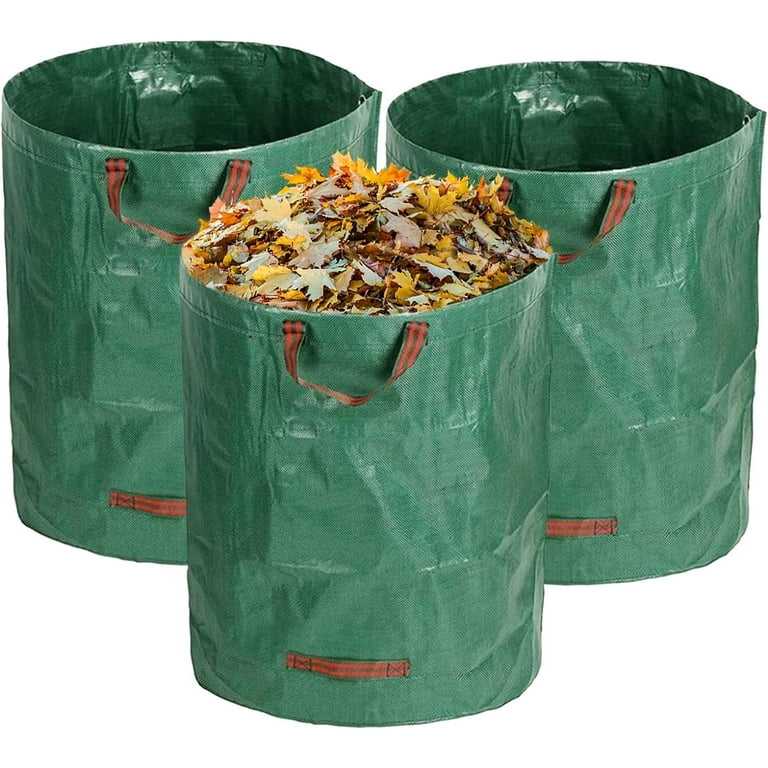
To efficiently manage large volumes of leaf waste, composting is the most practical solution, turning what seems like trash into valuable soil amendment. Using targeted mulching, community compost programs, or even hiring professional leaf removal services can also help keep your yard clean and eco-friendly. With a bit of planning, you can turn an overwhelming pile of leaves into a beneficial resource while maintaining a tidy outdoor space.
Managing large amounts of leaf waste can seem daunting, but with the right strategies, it becomes manageable and eco-friendly. Composting leaves transforms them into nutrient-rich soil, reducing waste and improving your garden’s health. Mulching leaves directly into garden beds can serve as natural mulch, conserving moisture and suppressing weeds. Community composting programs or leaf collection services can also ease the burden, especially for heavy volumes. By adopting these methods, you not only keep your yard neat but also contribute to sustainable waste management, making the most of what nature provides.

How to Manage Large Volumes of Leaf Waste
Managing large amounts of leaf waste can seem overwhelming, but with the right strategies, it becomes much easier. Proper handling helps protect the environment and keeps your outdoor space clean and safe. In this section, we’ll explore effective methods to deal with leaf accumulation efficiently and sustainably.
Understanding the Importance of Proper Leaf Waste Management
Leaves are a natural part of many ecosystems, but when they pile up, they can cause problems. Excess leaf waste can clog storm drains, create slippery surfaces, and attract pests. Proper disposal prevents these issues and helps maintain a healthy yard or community space. Additionally, managing leaves responsibly contributes to composting efforts and reduces landfill waste.
Assessing the Volume of Leaf Waste
Before choosing your method, estimate how much leaf waste you have. Use a simple method like collecting leaves in a bag or container to gauge volume. Knowing the amount will help you decide whether to compost, mulch, bag, or find other solutions. For large yards or public spaces, consider using tools like leaf blowers and collection trucks for efficient handling.
Equipment and Tools for Handling Large Leaf Volumes
Proper tools make leaf management much easier. Some essential equipment includes:
- Leaf blowers to gather and move leaves quickly
- Rakes for smaller areas or detailed cleanup
- Leaf vacuums that shred leaves as they clean
- Wheelbarrows or carts for transporting leaves
- Heavy-duty yard bags or bulk containers for collection
Investing in the right equipment saves time and effort, especially when dealing with large quantities.
Techniques for Collecting and Gathering Leaf Waste
Efficient collection starts with good techniques. Use a leaf blower to gather leaves into piles, making pickup easier. For smaller spaces, raking leaves into a central location works well. When dealing with large areas, consider using a leaf vacuum that shreds leaves, reducing volume for easier storage or composting.
Using Leaf Blowers Effectively
Set the blower to a comfortable power level to avoid spreading leaves everywhere. Blow leaves onto a tarp or large sheet to gather multiple piles quickly. Always wear protective gear, such as goggles and masks, when operating blowers to avoid debris inhalation.
Raking and Manual Collection Tips
Choose a sturdy rake with wide tines to cover more ground. Rake in rows or circular patterns to gather leaves in a manageable pile. Use a tarp or wheelbarrow to transport leaves efficiently, especially over long distances.
Disposal and Recycling Options for Large Leaf Volumes
Once collected, decide how to dispose of or repurpose your leaves responsibly. Some options include composting, mulching, or donating leaves for community projects.
Composting Large Quantities of Leaves
Leaves are rich in carbon, making them ideal for compost piles. Balance leaves with nitrogen-rich materials like grass clippings or vegetable scraps. Turning the compost regularly speeds up decomposition, producing nutrient-rich soil in a few months.
Mulching with Leaves
Shredded leaves can mulch garden beds, helping retain moisture, suppress weeds, and improve soil quality. Use a mower with a mulching feature to shred leaves directly on the lawn or garden. Spread a layer of mulch around plants for protection and growth benefits.
Community Recycling and Green Waste Programs
Check with local waste management services for leaf collection programs. Many municipalities offer curbside pick-up for leaves or designated drop-off sites. Participating in these programs helps keep neighborhoods clean and reduces landfill waste.
Storing and Long-term Management of Leaf Waste
When not immediate disposal, proper storage prevents mess and pest issues. Keep leaf piles covered with tarps to prevent scattering and matting. Store shredded leaves in breathable containers for future composting or mulching. Establish a schedule for regular leaf collection if your area has designated pick-up dates.
Environmental Considerations in Leaf Waste Management
Choosing eco-friendly options minimizes environmental impact. Composting and mulching recycle nutrients back into the soil. Avoid burning leaves, which releases pollutants into the air and contributes to smog. Instead, opt for composting or community collection services for sustainable disposal.
Addressing Challenges with Managing Large Volumes
Handling high volumes of leaves can be physically demanding and time-consuming. Break the workload into manageable tasks over several days. Use efficient tools and techniques to speed up collection and processing. Enlist help from family or community volunteers to streamline the effort.
Benefits of Efficient Leaf Waste Management
Properly managing leaf waste improves environment health, enhances your yard’s appearance, and reduces waste disposal costs. It also creates opportunities for composting and gardening improvements. These practices contribute to a sustainable and beautiful outdoor space.
Additional Tips for Success
- Start early before leaves start to decay and mat down
- Use eco-friendly tools and methods to reduce pollution
- Coordinate with neighbors for community-wide leaf management
- Maintain equipment regularly for safety and efficiency
By combining these techniques and tips, managing large volumes of leaf waste becomes more manageable and environmentally friendly. It’s a crucial step toward keeping outdoor spaces clean, healthy, and beautiful for everyone.
Garden tips 8 – How to make nutrient-rich compost in a large pot #compost #composting #gardening
Frequently Asked Questions
How can composting help in managing large quantities of leaf waste?
Composting turns leaf waste into nutrient-rich soil that benefits your garden. By regularly mixing leaves with other organic materials, you accelerate decomposition. This method reduces the volume of waste and creates a valuable resource for improving soil health, making it an eco-friendly and cost-effective solution for handling large amounts of leaves.
What are effective equipment options for collecting and processing substantial leaf waste?
Using leaf vacuums and shredders can significantly ease the collection and breakdown of large leaf volumes. Leaf vacuums efficiently gather leaves from lawns and driveways, while shredders reduce leaf size, speeding up composting or mulching processes. Proper equipment minimizes manual effort and increases efficiency when managing extensive leaf piles.
How can community programs assist in managing widespread leaf waste?
Participating in or organizing community leaf collection programs helps handle large leaf quantities collectively. These programs often provide designated collection days and locations, encouraging residents to contribute leaves. Community efforts prevent excess leaf accumulation on individual properties and promote environmentally responsible disposal or composting practices.
What strategies can prevent leaf waste from overwhelming your property?
Regularly raking and collecting leaves before they accumulate excessively keeps waste manageable. Mulching leaves with lawnmowers and spreading them on flower beds adds organic matter to soil. Establishing a schedule for leaf removal ensures you stay ahead of large buildup and maintains a tidy outdoor space.
How does strategic mulching contribute to managing large leaf piles?
Shredded leaves serve as natural mulch, protecting plant roots and conserving soil moisture. Applying mulch in layers prevents leaves from piling up excessively and reduces the need for frequent removal. This approach not only manages waste effectively but also enhances garden health through organic recycling.
Final Thoughts
Managing large volumes of leaf waste begins with proper collection and sorting to prevent clutter. Compost the leaves to create nutrient-rich soil or use mulch for garden beds, reducing waste volume. Consider involving community programs to recycle leaves efficiently.
By adopting these strategies, you can effectively manage leaf waste while promoting sustainability. How to manage large volumes of leaf waste involves consistent effort and mindful planning. Proper handling not only reduces environmental impact but also enhances your landscape’s health and appearance.