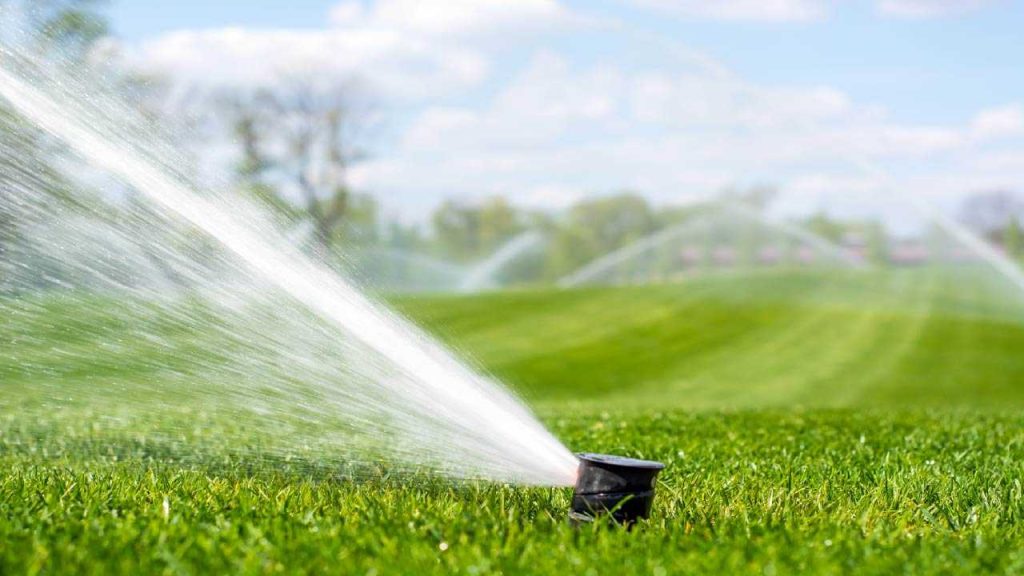
Looking to keep your lawn lush and green without installing a sprinkler system? It’s totally possible with some simple, effective strategies. The key is to focus on natural watering techniques, smart scheduling, and proper lawn care practices. You can achieve a healthy lawn by watering efficiently, choosing drought-tolerant grass, and adopting regular maintenance routines that minimize water wastage. Whether you’re dealing with a small yard or a large garden, these tips will help you maintain a vibrant lawn without relying on automated sprinklers.
In short, maintaining a lawn without a sprinkler system involves manual watering methods like hand watering or using soaker hoses, along with smart practices such as watering early mornings, aerating the soil, and selecting drought-resistant grass types. Consistency and attention to your lawn’s specific needs ensure it stays healthy and green all year round.
Keeping a beautiful lawn without a sprinkler might seem challenging, but with a bit of planning and effort, it’s entirely doable. Manual watering can be tailored to your schedule, conserving water and promoting deeper root growth. Additionally, integrating drought-resistant grass varieties and proper lawn care habits ensures your grass stays healthy even during dry spells. Regular maintenance like aeration, proper mowing, and fertilization further supports a resilient and thriving lawn. No need for high-tech systems—your yard can flourish with some simple, mindful practices.

How to Maintain Lawn Without a Sprinkler System
Keeping your lawn healthy without a sprinkler system is possible with the right strategies and habits. You don’t need fancy equipment to grow a lush, green yard. By understanding the basics of watering, soil care, and grass selection, you can maintain a vibrant lawn all year round.
Understanding Your Lawn’s Water Needs
Every type of grass has specific water requirements, so knowing what kind you have is essential. Generally, lawns need about one inch of water weekly, but this can vary depending on climate and soil type. Monitoring rainfall helps you avoid over or under-watering your grass.
Assessing your lawn’s needs involves checking the soil moisture. Insert a screwdriver or a garden tool into the ground. If it goes in easily and feels moist, your lawn is likely well-hydrated.
Manual Watering Techniques
Using a Garden Hose
A simple garden hose with a spray nozzle can be your best friend for targeted watering. Use a gentle spray to water your lawn evenly, focusing on the root zone. This method allows you to control the amount of water and avoid wastage.
Bucket Method
Fill buckets with water and carry them around your yard to water specific areas. This approach helps prevent over-watering and ensures each patch gets enough moisture. Using smaller containers also makes it easier to measure water volume, keeping your watering consistent.
Watering Schedule
Create a regular schedule that aligns with weather patterns. Early morning or late evening are ideal times to water, as it minimizes evaporation. Water deeply but less frequently to encourage strong root growth and drought resistance.
Implementing Efficient Watering Practices
Applying water efficiently can save time and resources. Use a soaker hose or drip irrigation system attached to your garden hose for consistent moisture delivery. These methods ensure water reaches the roots directly and reduces wastage.
Rotate watering areas to promote even growth and prevent soil erosion. Make sure to water thoroughly, so the moisture penetrates deeply into the soil, encouraging grass roots to grow downward.
Choosing the Right Grass for Your Climate and Soil
Grass Types Suitable for No-Sprinkler Maintenance
- Bermuda grass: drought-tolerant, thrives in warm climates
- Zoysia grass: handles drought better than many others, evergreen in summer
- Bermuda grass: ideal for hot, dry areas with minimal watering
- Buffalo grass: naturally drought-resistant and requires minimal watering
Adapting Grass Choice to Conditions
Select grass varieties that match your local climate, soil type, and sunlight exposure. Drought-tolerant grasses need less frequent watering, reducing your reliance on irrigation. Proper grass selection is a key step toward maintaining a resilient lawn.
Soil Health and Its Role in Lawn Maintenance
Test Your Soil
Perform a soil test to analyze pH levels and nutrient content. Proper soil fertility ensures your grass can absorb water efficiently and grow strong roots. Adjust soil pH if necessary, aiming for a slightly acidic to neutral range.
Improve Soil Structure
Add organic matter such as compost or peat moss to enhance soil aeration and water retention. Loamy soil holds moisture well while draining excess water, creating an ideal environment for grass roots.
Mulching and Cover Crops
Apply mulch around your lawn edges to conserve moisture and suppress weeds. Planting cover crops during the off-season can also improve soil health and reduce erosion.
Reducing Water Loss and Evaporation
Water at Optimal Times
Early morning watering reduces evaporation and allows grass to dry before evening, preventing diseases. Avoid watering during the hottest parts of the day when much of the water can evaporate.
Use Windbreaks and Shade
Plant shrubs or install fences to shield your lawn from wind, which accelerates water loss. Creating shaded areas with trees or structures can also help the soil retain moisture longer.
Avoid Overwatering
Ensure you’re not watering too frequently or too much at once. Deep, infrequent watering encourages deeper root growth, which makes your lawn more drought-tolerant.
Additional Tips for Lawn Care Without a Sprinkler System
Proper Mowing Techniques
Keep your grass at an appropriate height, generally 2.5 to 3 inches for most varieties. Taller grass shades the soil, reducing evaporation and helping retain moisture. Mow regularly but avoid cutting more than one-third of the grass height at a time.
Fertilize Wisely
Use slow-release fertilizers that provide nutrients over time, reducing the need for frequent feeding. Proper fertilization encourages healthy, resilient grass that can withstand drought conditions better.
Manage Weeds and Pests
Healthy grass resists weeds and pests more effectively, reducing the need for water and chemicals. Use natural or organic methods to control invasive species and pests, maintaining an eco-friendly lawn.
Alternative Watering Systems for Low-Maintenance Lawns
Drip Irrigation
Attach a drip irrigation system to your garden hose for precise water delivery. This setup minimizes wastage, targets roots, and can be automated for efficient watering.
Soaker Hoses
Lay soaker hoses in your yard to evenly water your grass. Cover with mulch to reduce evaporation and keep water in the soil longer.
Rain Barrels
Collect rainwater in barrels to supplement your watering needs. Rainwater is free and free of chemicals, making it ideal for lawn irrigation.
Monitoring and Adjusting Your Lawn Care Routine
Regularly observe your lawn’s health and adjust watering and care practices accordingly. Look for signs of drought stress such as wilting or brown patches, and respond promptly.
Use a moisture meter to keep track of soil moisture levels. This tool helps you determine whether your lawn needs watering and prevents overdoing it.
Maintaining a Healthy Lawn Year-Round
Seasonal adjustments are key to lawn health. In spring and fall, reduce watering as grass grows less actively. During hot summers, increase watering frequency slightly, but always obey local water restrictions.
Prepare your lawn for winter by aerating and fertilizing, which promotes healthy root growth. This helps your lawn recover quickly in spring without excessive watering.
Maintaining a lush lawn without a sprinkler system requires careful planning, consistent effort, and attention to your specific garden conditions. By choosing the right grass, improving soil quality, watering efficiently, and managing your lawn wisely, you can enjoy a beautiful yard with minimal irrigation. Incorporate these practices into your routine, and you’ll find your lawn thriving naturally and effortlessly.
Frequently Asked Questions
What are effective methods for watering a lawn without a sprinkler system?
To water your lawn effectively without a sprinkler system, consider using hand-held hoses with adjustable nozzles to target specific areas. Incorporate drip irrigation or soaker hoses along the base of your grass to deliver water directly to the roots, minimizing waste. Water early in the morning to reduce evaporation and ensure the grass absorbs moisture efficiently. Additionally, establish a consistent watering schedule based on weather conditions and grass type to maintain healthy growth.
How can I improve soil moisture retention naturally?
Enhance soil moisture retention by applying organic mulch around your lawn. Mulching helps reduce water evaporation, keeps the soil cooler, and suppresses weeds. Aerate the soil periodically to improve water penetration and reduce compaction, allowing roots to absorb moisture more effectively. Incorporate compost or organic amendments to improve the soil’s ability to hold water and provide necessary nutrients for healthy grass growth.
What practices promote healthy lawn growth in dry conditions?
In dry conditions, mow your lawn at a higher setting to shade the soil and reduce water loss through evaporation. Avoid over-fertilizing, as this can increase water demand. Use drought-tolerant grass varieties suited to your climate, which require less water to thrive. Maintain a regular watering routine, ensuring deep watering sessions to encourage deep root growth. Additionally, control foot traffic and avoid mowing when the grass is stressed to keep your lawn resilient.
Are there specific lawn care techniques that minimize water use?
Yes, adopting techniques such as aeration, proper mowing heights, and organic fertilization can help reduce water consumption. Aerating improves soil aeration and water absorption, while higher mowing heights provide shade to the grassroots, reducing water needs. Replacing traditional fertilizers with organic options strengthens the grass, making it more drought-tolerant. Creating a rainwater collection system can also supplement watering efficiently without increasing water usage from municipal sources.
How can I prevent grass from drying out during hot weather?
To prevent your grass from drying out, water deeply and infrequently to promote strong root systems capable of accessing deeper soil moisture. Apply a layer of mulch around the grass to help retain soil moisture. Avoid mowing during the hottest part of the day and keep your grass at a higher cut to provide shade for the roots. Additionally, limit foot traffic on dry grass and consider overseeding with drought-resistant grass species to enhance resilience against heat and drought conditions.
Final Thoughts
Maintaining a lawn without a sprinkler system requires consistent effort and strategic planning. Water early in the morning to reduce evaporation and ensure your grass stays healthy. Hand watering or using soaker hoses helps deliver moisture directly to roots.
Adjust your mowing height and fertilization schedule to promote strong growth and drought resistance. Incorporate drought-tolerant grass varieties for easier maintenance.
How to maintain lawn without a sprinkler system can be effective with these practices, saving water while keeping your yard lush and green.