To effectively eliminate weeds in Bermuda grass, the key is a combination of targeted herbicide application and proper lawn maintenance. Use a selective herbicide designed for Bermuda grass to kill weeds without harming your lawn, and remove weeds manually in heavily infested areas. Regular mowing, watering, and fertilizing help keep Bermuda grass dense, making it harder for weeds to establish.
In short, treat weeds with a selective herbicide suited for Bermuda grass, and maintain a healthy lawn through proper care techniques. Consistent monitoring and early intervention are crucial to prevent weeds from taking over.
Struggling with weeds infiltrating your Bermuda grass? You’re not alone. Weeds can quickly become a nuisance, overtaking your lush lawn and ruining its appearance. Knowing how to tackle them effectively is essential for a pristine, weed-free yard. In this guide, we’ll explore proven strategies to get rid of weeds in Bermuda grass, helping you restore your lawn’s beauty and health. Whether you’re battling broadleaf weeds or grassy invasions, these tips will help you regain control and enjoy a vibrant, uniform turf. Let’s dive into the most effective methods to keep your Bermuda grass lush and weed-free all season long.

How to Kill Weeds in Bermuda Grass
Dealing with weeds in Bermuda grass can be frustrating, but with the right strategies, you can restore a healthy, lush lawn. Proper weed control not only improves the appearance of your yard but also helps Bermuda grass thrive. In this section, we’ll explore various effective methods to eliminate weeds while protecting your grass.
Understanding Common Weeds in Bermuda Grass
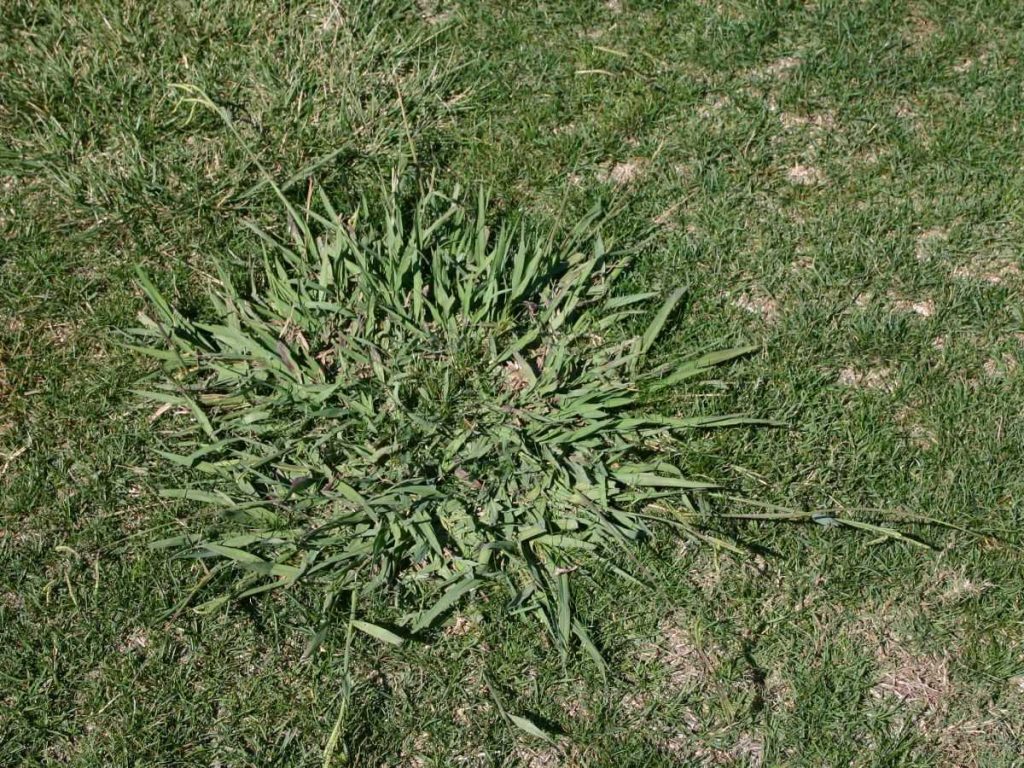
Before starting weed removal, it’s important to identify the weeds growing in your lawn. Different weeds require specific treatment approaches. The most common weeds in Bermuda grass include crabgrass, dollarweed, spurge, and goosegrass.
Crabgrass appears as broad, flat patches and tends to invade during hot summer months. Dollarweed has round leaves with a shiny appearance, often spreading across the surface. Spurge exhibits a bushy structure with reddish stems, while goosegrass has fine, hair-like blades that form dense mats.
Strategies for Killing Weeds in Bermuda Grass
Manual Weeding
Manual removal involves pulling weeds by hand or using tools like weed pullers and hoes. This method works best for small areas or isolated weeds. Pull weeds early when they are young for easier removal and less damage to the grass.
Be sure to extract the entire root system to prevent regrowth. Regular manual weeding keeps your lawn looking tidy and reduces weed seed spread.
Applying Herbicides Effectively
Herbicides are powerful tools for weed control, but choosing the right type is essential. There are two main categories: pre-emergent and post-emergent herbicides.
Pre-Emergent Herbicides
Apply these before weed seeds germinate, usually in early spring or fall. They prevent weeds like crabgrass from sprouting. Use a product labeled safe for Bermuda grass and follow the application instructions carefully.
Post-Emergent Herbicides
Use these to kill existing weeds. Select a glyphosate-based or selective herbicide suitable for Bermuda grass. Spray directly onto the weeds, avoiding contact with the grass to minimize damage. Always read the label for specific instructions and safety precautions.
Natural Alternatives to Chemical Herbicides
For those preferring eco-friendly options, vinegar solutions and boiling water can be effective. Spray a mixture of vinegar and water directly onto weeds on a sunny day. Repeated applications may be necessary for stubborn weeds.
Boiling water poured over weeds can also kill them quickly. Be cautious to avoid splashing onto your Bermuda grass, as it can harm the surrounding lawn.
Maintaining a Healthy Bermuda Grass Lawn
Proper Mowing Techniques
Regular mowing at the correct height helps prevent weed invasion. Bermuda grass should be maintained at 1.5 to 2 inches for optimal health. Mowing too short can weaken the grass and encourage weeds to take over.
Watering and Fertilization
A well-fed Bermuda grass lawn resists weeds better. Water deeply and infrequently to promote deep root growth. Fertilize with a balanced fertilizer formulated for Bermuda grass during the growing season.
Aeration and Overseeding
Aerating your lawn improves soil drainage and nutrient absorption. Overseeding with Bermuda grass keeps the lawn dense, leaving less room for weeds to establish. Conduct these practices annually to maintain a vigorous lawn.
Preventive Measures to Reduce Weed Growth
Applying Mulch and Ground Covers
While more common in flower beds, mulch can be used around trees and garden beds to prevent weed seeds from germinating near your Bermuda lawn. It also retains soil moisture and improves soil health.
Creating a Thick, Dense Lawn
A dense Bermuda grass lawn leaves fewer gaps for weeds to grow. Consistent mowing, fertilizing, and watering support turf density. Avoid overwatering, which can promote weed growth.
Addressing Persistent Weed Problems
Spot Treatments
For stubborn weeds, spot-treat with targeted herbicides. Apply carefully to avoid damage to surrounding grass. Re-apply as needed until weeds are eradicated.
Soil Testing and Adjustments
Poor soil conditions can foster weed growth. Conduct soil tests to determine pH and nutrient levels. Amend soil with lime or sulfur and fertilize appropriately for Bermuda grass health.
Timing and Seasonal Considerations
Early Spring and Fall Applications
Applying weed control products during early spring and fall maximizes effectiveness. These seasons are ideal for pre-emergent herbicides and preparing the lawn for active growth.
Avoiding Summer Stress Damage
During peak summer months, Bermuda grass is vulnerable to stress. Limit herbicide use during this period and focus on maintaining water and nutrient balance to keep the grass healthy.
Additional Tips for Weed-Free Bermuda Grass
- Regularly inspect your lawn for new weeds and address them promptly.
- Maintain proper watering schedules to prevent overly dry or waterlogged soil.
- Use organic compost to improve soil quality and support healthy turf growth.
- Choose weed-resistant Bermuda grass varieties when overseeding or planting.
Understanding the types of weeds and their growth habits helps you choose appropriate control methods. Combining manual removal, targeted herbicide use, and good lawn maintenance creates a healthy, weed-resistant Bermuda grass lawn.
Getting Rid of Weeds in your Bermuda Grass for Beginners
Frequently Asked Questions
What types of weed control products are effective for Bermudagrass lawns?
Selective herbicides containing glyphosate or MSMA work well to target broadleaf and grassy weeds without harming Bermudagrass. Always check the label to ensure the product is suitable for use on Bermudagrass and follow application instructions carefully. Applying these products during active growth periods in late spring or early summer maximizes effectiveness.
When is the best time to remove weeds from Bermudagrass?
The optimal time to address weeds in Bermudagrass is during their early growth stages in late spring or early summer. At this stage, weeds are small and easier to eliminate. Consistent monitoring and prompt treatment prevent weeds from spreading and establishing deep roots that are harder to control later on.
How can I prevent weeds from returning in my Bermudagrass lawn?
Maintaining a healthy, dense Bermudagrass lawn naturally suppresses weed growth. Regularly mowing at the correct height, watering deeply but infrequently, and fertilizing appropriately strengthen the grass. Additionally, overseeding bare patches and aerating the soil improve turf vitality, reducing the chances of weeds re-establishing.
Final Thoughts
To effectively kill weeds in Bermuda grass, select a targeted herbicide suitable for your lawn. Apply the herbicide early in the morning or late in the evening to minimize damage to your Bermuda grass. Regular mowing and proper watering also help prevent weed growth. Consistent care and timely treatment keep your lawn healthy and weed-free.
In conclusion, knowing how to kill weeds in Bermuda grass involves using the right herbicides and maintaining your lawn carefully. These practices ensure a lush, healthy yard free of unwanted weeds.