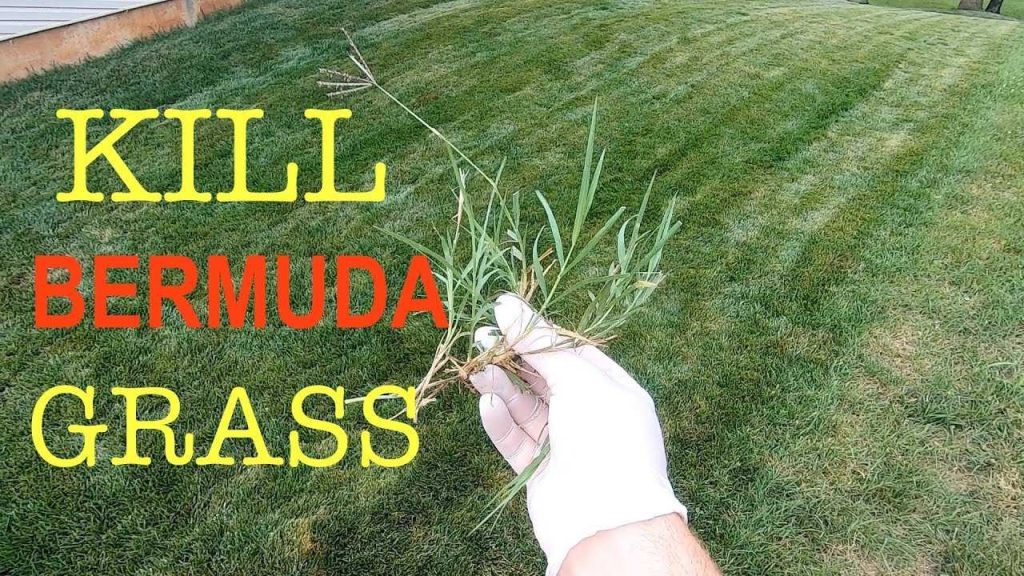
To effectively eliminate Bermuda grass from your fescue lawn, start with a combination of selective herbicides and proper lawn maintenance. Applying a glyphosate-based herbicide carefully followed by overseeding with fescue can help restore your lawn’s healthy appearance. Consistent mowing and aeration will also prevent Bermuda from re-establishing itself.
For quick results, spot-treat Bermuda patches with a non-selective herbicide, wait for the grass to die, then reseed with fescue. Regular lawn care combined with targeted herbicide use will give you the best chance of eradicating Bermuda grass and maintaining a lush, uniform fescue lawn.
Dealing with Bermuda grass in a fescue lawn can be frustrating, especially when trying to maintain a lush, uniform look. Bermuda is a tough, invasive weed that spreads quickly and outcompetes the finer fescue blades. The key to reclaiming your yard lies in targeted treatment—using herbicides wisely and maintaining a healthy lawn so Bermuda cannot take hold again. This process involves patience, but with consistent effort, you can restore your lawn’s natural beauty. Understanding how Bermuda grass grows and employing a strategic plan will help you weed out this stubborn invader and enjoy a vibrant, weed-free fescue landscape.

How to Kill Bermuda Grass in Fescue Lawn
Understanding Bermuda Grass and Fescue Lawn Dynamics
Bermuda grass is a warm-season grass known for its aggressive growth and durability. It often invades fescue lawns, especially during warmer months. Fescue is a cool-season grass that prefers cooler temperatures and can struggle against Bermuda’s rapid spread. To effectively eliminate Bermuda grass, it’s important to understand how these grasses interact and compete.
Identifying Bermuda Grass in Your Lawn
Before removing Bermuda grass, you need to identify it correctly. Bermuda grows densely with a fine texture and roots deeply. It spreads through both stems called stolons and underground runners known as rhizomes. In contrast, fescue has a coarser texture and grows in clumps. Look for a bright green, dense turf that quickly spreads across your yard, signaling Bermuda presence.
Why Is Bermuda Grass Difficult to Remove?
Bermuda’s resilient root system and rapid spread make it frustrating to control. Its rhizomes can survive mowing and drought, re-establishing itself quickly. Plus, Bermuda can grow back even after partial removal, requiring comprehensive strategies. Proper planning and consistent effort are essential to effectively kill Bermuda grass in a fescue lawn.
Strategies for Killing Bermuda Grass
There are several methods to eliminate Bermuda grass, including chemical, natural, and cultural controls. Combining these approaches yields the best results for long-term removal.
1. Using Herbicides Effectively
Herbicides are the most reliable solution for Bermuda grass control. Select a glyphosate-based or other non-selective herbicide for complete removal. Apply herbicide carefully, targeting Bermuda patches directly to avoid damaging the surrounding fescue. Follow the manufacturer’s instructions regarding dilution and application frequency.
2. Chemical Application Timing
Timing is crucial for herbicide effectiveness. Apply herbicides during the active growth phase of Bermuda, typically in late spring or early summer when the grass is lush. Avoid treatments during dormancy or drought, as the herbicide may not work effectively.
3. Multiple Herbicide Treatments
One application may not fully eradicate Bermuda. Repeat treatments after two to three weeks to target regrowth. Ensure thorough coverage of all Bermuda patches with each application for maximum impact.
4. Non-Chemical Approaches
Natural methods include smothering Bermuda with heavy mulch or shading. Cover patches with black plastic or landscape fabric for several weeks to starve the grass of sunlight. This method works best for small areas and when combined with manual removal.
Manual Removal and Cultural Controls
Mechanical means complement chemical herbicides well. Removing Bermuda by hand or with tools helps weaken its root system.
1. Digging Out Bermuda Grass
Use a spade or garden fork to dig carefully around Bermuda patches. Extract as much of the root system as possible to prevent regrowth. Dispose of removed Bermuda properly to avoid spreading.
2. Reseeding and Overseeding
After Bermuda removal, overseed with fescue to restore your lawn’s appearance. Proper watering, fertilizing, and mowing promote healthy fescue growth, making it harder for Bermuda to re-establish.
Maintaining a Fescue Lawn Post-Removal
Long-term control involves proper lawn care practices. Regular mowing at recommended heights, watering deeply but infrequently, and fertilizing appropriately strengthen fescue. Maintaining a dense turf makes it difficult for Bermuda to re-invade.
1. Proper Mowing Practices
Mow fescue at a height of three to four inches. This height encourages deep roots and thick growth, which naturally suppresses Bermuda’s spread.
2. Fertilization Strategy
Apply a balanced fertilizer suitable for fescue during the growing season. Proper nutrients improve turf density and resilience, further preventing Bermuda invasion.
3. Watering Techniques
Water deeply once or twice a week, depending on weather conditions. Deep watering promotes strong roots in fescue, making it less vulnerable to Bermuda’s encroachment.
Preventative Measures to Block Bermuda Grass
Prevention is better than cure. Take proactive steps to keep Bermuda from invading your fescue lawn again.
1. Aeration and Overseeding
Aerate your lawn regularly to improve soil health and overseed to maintain dense turf. A healthy, thick fescue lawn naturally resists Bermuda growth.
2. Proper Lawn Maintenance
Keep your lawn healthy through consistent mowing, watering, and fertilizing. Avoid excessive fertilizer during the warm season, which could encourage Bermuda growth.
3. Soil Testing and pH Adjustment
Perform soil tests to determine pH and nutrient levels. Bermuda prefers slightly acidic to neutral soil, so adjusting pH levels can make your lawn less inviting for Bermuda.
Related Topics to Consider
- Best Fescue Varieties for Bermuda Resistance
- Organic Lawn Care Tips for Bermuda Control
- How to Maintain a Healthy Cool-Season Lawn
- Identifying and Managing Other Lawn Weeds
- Comparing Herbicide Options for Lawn Weed Control
Successfully removing Bermuda grass from your fescue lawn involves a combination of targeted herbicide use, manual removal, and proper lawn maintenance. Consistency and patience are key to preventing Bermuda’s return and maintaining a lush, healthy fescue turf. By following these detailed steps, you can enjoy a vibrant, weed-free lawn that stands strong against Bermuda’s invasive nature.
How we control Bermuda Grass in a fescue lawn.
Frequently Asked Questions
What are effective methods to remove Bermuda grass from a fescue lawn?
To eliminate Bermuda grass, start by manually removing as much of it as possible, ensuring you take out the roots. Apply a selective herbicide designed to target Bermuda grass without harming your fescue. Adjust your lawn care practices to favor fescue health, such as proper mowing height and watering routines, which help suppress Bermuda grass growth over time.
How can soil treatment help in controlling Bermuda grass in my fescue lawn?
Perform soil testing to determine nutrient levels and pH balance. Applying appropriate soil amendments, such as adjusting pH or using specific fertilizers, can create unfavorable conditions for Bermuda grass. Sometimes, applying a total kill herbicide followed by reseeding with fescue can be necessary when soil conditions favor Bermuda grass persistence.
Are there preventive measures to stop Bermuda grass from invading my fescue lawn?
Implement regular lawn maintenance, such as overseeding with fescue to promote thick, healthy turf that resists Bermuda grass invasion. Maintain proper mowing heights and water management to strengthen your fescue. Using a pre-emergent herbicide in early spring can also prevent Bermuda grass seeds from germinating, reducing future invasions.
Can aeration and dethatching help control Bermuda grass in my lawn?
Yes, aeration and dethatching improve soil health and promote dense fescue growth, which can outcompete Bermuda grass. These practices enhance nutrient and water penetration, creating an environment where Bermuda grass can struggle to establish itself, especially if combined with targeted herbicide treatments.
What are some natural options to suppress Bermuda grass in a fescue lawn?
Using thick overseeding with high-quality fescue can naturally crowd out Bermuda grass. Maintaining healthy turf through regular watering, proper fertilization, and mowing helps create a competitive environment. Additionally, applying organic mulches or homemade natural weed killers around the lawn edges can reduce Bermuda grass spread without chemicals.
Final Thoughts
To effectively kill bermuda grass in fescue lawn, start by identifying the bermuda patches clearly. Use a selective herbicide specifically designed for bermuda grass and follow the application instructions carefully. Consider hand pulling or edging for small areas to prevent spread. Regular maintenance, such as overseeding with fescue, helps establish a dense turf that resists bermuda invasion. Taking these steps ensures a healthier, bermuda-free fescue lawn with minimal effort.