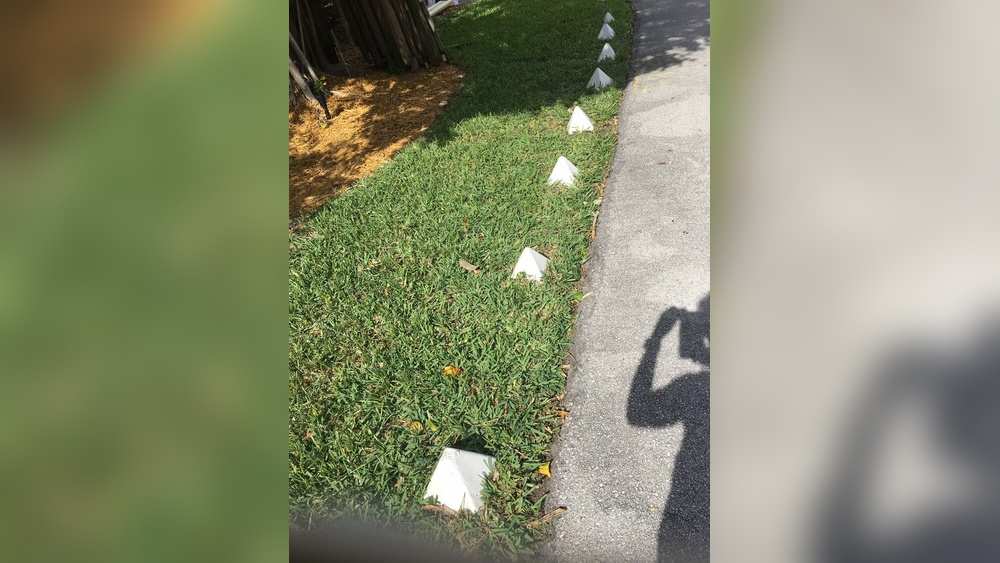
Many homeowners experience frustration when they see cars parked on their lawns. It can ruin the grass, damage underground pipes, and create an untidy look for your property. Sometimes, it is your neighbor, a delivery driver, or even a stranger who thinks your green space is a parking spot.
You may feel helpless, but there are many ways to stop this problem for good. This guide will show you proven solutions, from simple actions to more advanced strategies. You will also find practical tips that most people overlook, so you can keep your lawn safe and beautiful.
Understanding The Problem
Before you can stop cars from parking on your lawn, it helps to know why this happens. In most neighborhoods, people park on lawns for convenience, lack of street parking, or because the boundary between the road and the grass is not clear.
Some drivers may not realize it is private property, especially if there is no curb or fence. Others might ignore your space on purpose, thinking it is not a big deal.
Lawn parking is more than just annoying. It causes soil compaction, kills grass, and can lead to costly repairs. Hidden sprinkler systems, water lines, or electrical cables are also at risk. If you live in an area with heavy rain, tire ruts can become muddy and dangerous. Understanding these risks helps you see why preventing lawn parking is important, not just for looks but for long-term property health.
Physical Barriers: The First Line Of Defense
Physical barriers are one of the most effective ways to keep cars off your lawn. They send a clear message: “This is not a parking spot.” There are many choices depending on your budget, property style, and local rules.
1. Decorative Fencing
A decorative fence can be both beautiful and practical. Low fences, such as picket or wrought iron, create a clear boundary without making your home feel closed off. Choose a style that matches your house for a neat look.
Fences can be expensive, but they are a long-term solution. They are especially useful if you have frequent problems or if your home is on a busy street. Make sure to follow local regulations about fence height and placement.
2. Hedges And Shrubs
Thick hedges or shrubs act as living barriers. Boxwood, privet, and holly are popular because they grow dense and stay green all year. Hedges take time to grow, but they add beauty and privacy.
Plant the hedge along the edge where cars usually park. Water and trim it regularly for best results. While not as strong as a fence, a mature hedge will stop most vehicles and discourage lazy parkers.
3. Large Rocks Or Boulders
Boulders are a natural and tough way to block cars. Place them close enough so cars cannot squeeze through, but far enough apart for mowing. Large rocks blend into the landscape and require no maintenance.
One tip: use rocks at least 18 inches high and wide, so they are visible to drivers. Be sure not to block sidewalks or create hazards for pedestrians.
4. Driveway Edging
Driveway edging with stones, bricks, or concrete curbs can show where the driveway ends and the lawn begins. Edging is easy to install and improves curb appeal. Some people use solar lights or reflectors along the edge for extra visibility at night.
5. Bollards And Posts
Bollards are strong vertical posts, often made of metal or concrete. They are commonly used for commercial properties but work well for residential lawns too. Bollards can be fixed or removable. Removable types let you open the space for guests or maintenance.
Paint them bright colors or add reflective tape for safety. Space them 3–5 feet apart, depending on your needs.
6. Chains And Rope Barriers
A chain or rope barrier is a flexible and affordable option. String a heavy-duty chain or rope between posts. This method is easy to remove and reinstall as needed. Choose weatherproof materials for durability.
Chains are not as stylish as hedges or fences, but they work well for temporary solutions or rental properties.
Signage And Communication
Sometimes, a simple sign can solve the problem. Many drivers do not realize they are causing trouble. Clear communication often works faster than you think.
1. No Parking Signs
A no parking sign by the lawn’s edge is a direct message. You can find ready-made signs or make your own with custom wording. Choose a sign that is easy to read from the street. Reflective signs are visible at night.
If you want to sound friendly, add a polite message like “Please do not park on grass. ” For repeated problems, a firmer tone may be needed.
2. Painted Curb Or Markings
If your lawn meets the street, consider painting the curb or using ground markings. Bright yellow or red paint shows that the space is not for parking. Check with your city first; some places have rules about curb painting.
3. Talking To Neighbors And Visitors
Sometimes, the best approach is a simple conversation. If you know who is parking on your lawn, explain the issue kindly. Many people do not realize the damage they cause. Be clear about your boundaries and ask for cooperation.
It is helpful to mention specific problems, such as broken sprinklers or muddy tracks, so they understand why it matters. Good communication can prevent future conflicts.
Landscaping Tactics
Smart landscaping can make your lawn uninviting for cars but attractive for people. These techniques use design, texture, and plant choice to create a car-proof yard.
1. Raised Flower Beds
Raised beds block cars and add color to your front yard. Build them from wood, stone, or brick, and fill with flowers or shrubs. Place the beds close to the street, leaving enough room for walking.
Raised beds also improve drainage and make gardening easier. They are a good choice for sloped yards or places where other barriers would look out of place.
2. Sloped Berms
A berm is a small raised mound of soil. Building a berm along your lawn’s edge makes it uncomfortable for cars to drive over. Plant grass, groundcover, or flowers on the berm for a natural look.
Berms help with water runoff and can hide utility boxes or pipes. They are less formal than fences but work well for gentle deterrence.
3. Large Planters Or Pots
Planters filled with shrubs or small trees work like movable barriers. Use heavy pots so they cannot be pushed aside easily. Arrange them in a line along the problem area.
One advantage is flexibility—you can change the layout, move planters for parties, or swap plants by season.
4. Groundcover With Rocks Or Mulch
Swap delicate grass for tough groundcover and a layer of rocks or mulch near the curb. This makes the area less attractive for parking and easier to repair if damaged.
Use strong plants like creeping juniper or vinca. Cover bare patches with river stones or wood chips to reduce mud and ruts.
5. Water Features
A small pond or fountain near the street edge creates a physical and visual block. Water features can boost property value and attract wildlife.
This solution needs more planning and cost, but it is unique and rarely overlooked by drivers. Check for local safety rules, especially in homes with children.
Legal And Municipal Solutions
Sometimes, you need the law on your side. If physical and social methods do not work, these steps offer more power.
1. Check Local Parking Rules
Many towns have rules about parking on private property. Check your city’s website or call the local government office for details. You may be able to report illegal parking, especially if it blocks sidewalks or fire hydrants.
2. Request Curb Painting Or Signage
In some places, you can ask the city to add official no parking signs or paint the curb. This makes enforcement easier and gives you backup if you need to call authorities.
3. Talk To Your Homeowners Association (hoa)
If you live in a neighborhood with an HOA, bring up the issue at a meeting. HOAs often have power to enforce rules or add barriers. Document the problem with photos for your case.
4. Contact Local Law Enforcement
If polite requests fail, call the non-emergency police line to report repeat offenders. Keep a log of dates, times, and license plates. Most police will not tow a car for a first mistake, but they may issue a warning or ticket.
5. Install Security Cameras
Security cameras serve two purposes: they catch offenders and act as a deterrent. Place a camera where it clearly views the problem area. Even a fake camera can sometimes scare off careless drivers.
Security footage helps if you need to make a formal complaint or claim property damage. Modern cameras are affordable and connect to your phone for instant alerts.
6. Know The Towing Laws
Some areas let you tow unauthorized vehicles from your property, but rules vary. Usually, you must post a warning sign and document the violation. Do not try to tow a car yourself—always use a licensed company.
Check the laws carefully to avoid legal problems. If towing is allowed, let neighbors and visitors know about the rule.
Using Technology For Prevention
Modern technology can help protect your lawn without turning your home into a fortress.
1. Smart Driveway Alarms
Driveway alarms use motion sensors to alert you when a car enters your lawn. Some models send notifications to your phone or play a loud sound.
Alarms are helpful for catching repeat offenders in the act. They also protect packages and alert you to unexpected visitors.
2. Solar-powered Lights
Solar lights along the edge of your lawn make it clear where not to park, especially at night. Bright lighting also discourages careless or sneaky drivers.
Choose weather-resistant lights with strong stakes. Place them 2–4 feet apart for best results.
3. Automated Gates
If you have a long driveway, an automatic gate gives full control. Gates open only for you and your guests, keeping others out completely.
Gates are a big investment, so they suit homes with frequent problems or high property value. Some gates connect to apps for remote control.
4. License Plate Recognition
For serious cases, license plate cameras record every car that enters your property. These systems are used in businesses but are now available for homes.
The footage can help police if there is a dispute. It also discourages repeat offenders who know they are being watched.
Cost Comparison Of Popular Solutions
It helps to know how much each method usually costs. Here is a simple comparison.
| Solution | Average Cost (USD) | Durability | Maintenance |
|---|---|---|---|
| Decorative Fence | $1,500–$4,000 | High (10–20 years) | Low |
| Hedges or Shrubs | $300–$1,200 | Medium (5–10 years) | Medium |
| Boulders | $200–$800 | High (20+ years) | Low |
| No Parking Signs | $25–$100 | High | None |
| Driveway Edging | $300–$900 | Medium | Low |
| Security Camera | $100–$350 | High | Low |
This table gives you an idea of both the upfront cost and how much work each solution requires over time.
Common Mistakes To Avoid
Many homeowners try to fix lawn parking but make small errors that weaken their results. Watch out for these pitfalls:
- Ignoring the root cause: If street parking is limited, people will keep looking for spots. Address the bigger issue if possible.
- Using weak barriers: Small rocks, thin chains, or short stakes are easy to drive over or remove. Pick sturdy, visible options.
- Not checking local laws: Some towns ban certain fences or barriers. Always confirm before installing.
- Not documenting the problem: Take photos of damage and parked cars. This helps if you need help from the city or police.
- Being too aggressive: Blocking a car or damaging it can lead to legal trouble. Always use legal, non-destructive tactics.

Credit: www.eastgatesupply.com
Creative And Non-obvious Solutions
Sometimes, unusual methods work better than standard ones. Here are two creative ideas most people miss:
1. Art Installations
Install a sculpture or artistic feature along your lawn’s edge. This not only stops cars but makes your home stand out. Choose something weatherproof and safe for kids and pets.
Art draws positive attention and rarely offends neighbors. It can also boost your property’s appeal.
2. Community Action
If your whole street has parking issues, work together. Community petitions can convince the city to add more parking or enforce rules. Sometimes, shared action gets faster results than solo efforts.
How To Choose The Right Solution
Not every method fits every home. Think about these factors before deciding:
- Cost and budget: Can you afford a fence or is a sign enough?
- Neighborhood rules: Does your HOA or city ban certain barriers?
- Frequency of the problem: Is this a daily headache or a rare issue?
- Curb appeal: Do you care about how the solution looks?
- Long-term vs. short-term: Do you want a fix for years, or just until the area is developed?
Here’s a quick side-by-side comparison of popular options:
| Method | Best For | Drawbacks |
|---|---|---|
| Fence | Frequent, repeated problems | Expensive, possible HOA limits |
| Hedge | Improving privacy/looks | Slow to grow, needs care |
| No Parking Sign | Occasional issues | Easy to ignore, not stylish |
| Boulders | Quick, tough barrier | Not ideal for small lawns |
| Security Camera | Evidence for repeat issues | Does not physically stop cars |
Credit: www.houzz.com
Practical Tips For Lasting Results
- Combine methods for best effect. For example, use both signs and planters.
- Maintain your barriers. Trim hedges, repaint posts, and check for damage after storms.
- Be consistent with enforcement. If you allow parking “just this once,” people will repeat the behavior.
- Stay polite but firm. Most people respond well to clear, respectful communication.
- Get creative with your landscaping. A beautiful barrier is more likely to be respected.
Real-life Example
A homeowner in Texas had a long-standing issue with delivery drivers parking on his lawn. After trying signs and talking to drivers, he installed a row of large planters and added a motion-activated sprinkler. Within a week, the problem stopped.
The planters blocked the path, and the sprinkler discouraged anyone who got too close. The lawn recovered, and the homeowner avoided confrontation.
This example shows that sometimes a mix of simple and clever methods works best.

Credit: www.youtube.com
Frequently Asked Questions
What Is The Fastest Way To Stop Cars From Parking On My Lawn?
The fastest solution is to place large no parking signs and use visible barriers like cones or planters. For a quick fix, even temporary fencing or heavy objects will work until you install something permanent.
Can I Tow A Car Parked On My Lawn Without Warning?
Usually, you cannot tow a car immediately unless there are signs posted or local law allows it. Always check city rules and give clear warning before calling a tow company. Unlawful towing can lead to legal trouble.
Are There Any Plants That Work Best As Barriers?
Yes, dense and thorny shrubs like boxwood, holly, or barberry are effective. They grow thick and are hard to drive through. For fast results, buy mature plants instead of seedlings.
Will Insurance Cover Lawn Damage Caused By Parked Cars?
Homeowners insurance may cover property damage, but only in some cases. Take photos and report the incident right away. Ask your insurance agent for details about your policy.
Where Can I Find More Information About Property Boundary Laws?
Check your city or county website for parking and property laws. For more detail, visit Nolo, a trusted legal resource.
Keeping cars off your lawn is possible with the right approach. Use a mix of barriers, communication, and smart landscaping. Be patient and consistent, and your lawn will stay safe, green, and inviting for years to come.