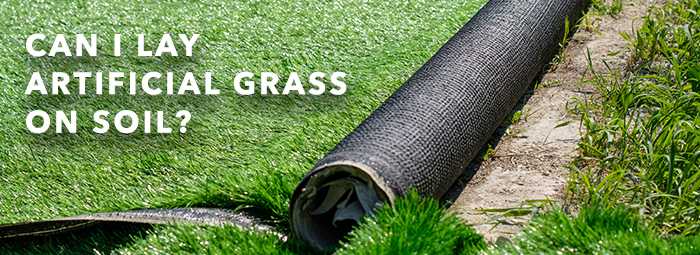
Installing artificial grass on soil can transform your outdoor space into a lush, green oasis all year round. The process is straightforward and can be accomplished with just a few simple steps. Start by preparing the soil, ensuring it’s level and free of debris. Then, lay down a weed barrier to prevent unwanted growth. After that, spread a layer of crushed stone or sand to create a stable base. Finally, roll out the artificial grass, securing it with adhesive or stakes. Trim any excess and infill the grass with sand for added stability. With just a bit of effort, you can enjoy a beautiful, maintenance-free lawn that enhances your garden or patio.

“`html
How to Install Artificial Grass on Soil
Installing artificial grass on soil can significantly enhance the look of your yard. Whether you want a vibrant green lawn without the maintenance or you are looking to transform a dull area, this step-by-step guide will help you achieve a beautiful, low-maintenance landscape. Follow along as we explore the entire process!
Understanding the Benefits of Artificial Grass
Artificial grass, also known as synthetic turf, offers numerous advantages. Some key benefits include:
- No need for watering, which saves on your water bill.
- No mowing, reducing maintenance time and effort.
- Consistent appearance all year round.
- Durability in various weather conditions.
With these benefits, it’s no wonder many homeowners are considering this option!
Preparing Your Tools and Materials
Before diving into the installation, gather the necessary tools and materials. Here’s what you’ll need:
- Artificial grass rolls
- Weed barrier fabric
- Meshed edging or border
- Utility knife or scissors
- Shovel and rake
- Compact soil or plate compactor
- Landscape staples or nails
- Infill (if required by the type of grass)
Having everything ready will streamline your installation process.
Step 1: Choosing the Right Location
Select an appropriate location for your artificial grass. Look for areas that:
- Get sufficient sunlight.
- Are free from tree roots or large rocks.
- Have a level surface for easy installation.
This will help enhance the appearance and longevity of your artificial turf.
Step 2: Preparing the Soil
Proper soil preparation is crucial for a successful installation. Start with these steps:
1. **Clear the Area**: Remove any existing grass, weeds, and debris. Make sure the ground is clean to avoid any growth underneath the turf.
2. **Excavate the Soil**: Dig down about 3-4 inches to create a flat base for the turf. This depth allows for a proper base layer.
Using a Compactor
After excavating, compact the soil using a hand compactor or plate compactor. A solid base prevents sinking and shifting over time.
Step 3: Installing the Weed Barrier
Place a weed barrier fabric over the compacted soil. This prevents weeds from growing through your new grass.
- Cut the fabric to fit the area.
- Secure it with landscape staples.
Remember to overlap the edges of the fabric for maximum coverage.
Step 4: Laying the Base Material
Now it’s time to create a drainage base. You want to use crushed stone or decomposed granite for this purpose.
1. **Add the Material**: Spread 2-3 inches of base material over the weed barrier.
2. **Level the Surface**: Use a rake to ensure it’s evenly distributed.
This layer helps improve drainage and prevents water accumulation.
Step 5: Cutting and Laying the Artificial Grass
Next, you’ll need to cut and lay the artificial grass. Follow these steps:
1. **Measure the Area**: Measure the dimensions of the area where you’ll install the grass.
2. **Cut the Grass to Size**: Use a utility knife to cut the artificial grass to fit the space.
Be mindful of the direction of the grass blades while cutting.
Aligning the Seams
If you have multiple pieces, ensure the seams align correctly. This helps maintain a continuous look.
Step 6: Securing the Artificial Grass
Once the grass is laid out, it’s time to secure it.
1. **Use Landscape Staples**: Push landscape staples into the edges of the grass every few inches.
2. **Add Weight**: If you have seams, use adhesive tape or join them properly according to the manufacturer’s instructions.
This ensures that the grass stays in place.
Step 7: Adding Infill (if Required)
Depending on the type of artificial grass you choose, you might need to add infill. This is particularly important for sports or pet-friendly grasses.
- Spread infill evenly across the surface.
- Use a broom to help distribute it into the turf.
Infill helps stabilize the grass fibers and keeps them upright.
Step 8: Final Touches
Once everything is laid and secured, it’s time for the final touches.
1. **Brush the Grass**: Use a stiff-bristle broom to lift the blades and give them a natural look.
2. **Water (if necessary)**: Lightly spray the grass with water. This helps settle the infill and grass fibers.
Regular brushing helps maintain the grass’s appearance over time.
Maintaining Your Artificial Grass
While artificial grass is low maintenance, it still requires some care. Here are some tips:
- Brush the grass regularly to keep it looking fresh.
- Remove debris like leaves and twigs.
- If you have pets, clean up any waste promptly.
These simple steps will help prolong the life of your artificial grass.
Common Questions About Artificial Grass Installation
While this guide covers the essentials for installing artificial grass on soil, you may have additional questions.
Consider these common inquiries:
– What type of artificial grass is best for pets?
– Can I install artificial grass over concrete?
– How long does artificial grass last?
Be sure to research and find the right answers for your specific situation.
In summary, installing artificial grass on soil is a straightforward process that can significantly enhance your outdoor space. By following these steps, you can enjoy a beautiful, low-maintenance lawn year-round. With the right preparation and care, your artificial grass will serve you well for many years to come.
How To Install Artificial Grass On Soil | QuickTurfs.com
Frequently Asked Questions
“`html
What tools do I need to install artificial grass on soil?
To install artificial grass on soil, you will need several tools, including a shovel for digging, a rake to level the soil, a utility knife for cutting the grass, a tape measure for precision, landscape spikes or nails for securing the grass, and a roller to ensure a smooth finish. Having these tools ready will make the installation process more efficient.
How do I prepare the soil before laying artificial grass?
Begin by removing any existing grass, weeds, or debris from the area where you plan to install the artificial grass. Next, you should dig down about 2-4 inches to create a level base. After that, compact the soil to create a firm foundation, and use a rake to even out the surface. For proper drainage, consider adding a layer of crushed stone or gravel before laying the artificial turf.
Can I install artificial grass on uneven soil?
Yes, you can install artificial grass on uneven soil, but you need to level the ground first. Use a shovel to fill in low spots and a rake to smooth out any high spots. It’s important to create a flat and even surface to prevent water pooling and ensure a stable foundation for the grass. If needed, you may also add a layer of base material to achieve the desired level.
How do I secure the artificial grass to the soil?
After laying the artificial grass, secure it to the soil by using landscape spikes or nails. Place the spikes around the perimeter and at various points throughout the grass to ensure it stays in place. Be careful not to damage the grass as you secure it. For additional stability, you can also apply adhesive to the seams if you have multiple sections of grass.
What maintenance is required after installing artificial grass?
After installation, maintain your artificial grass by regularly removing debris such as leaves and dirt. Rinse the grass with water to eliminate dust and odors. Occasionally, use a broom or a dedicated turf rake to fluff the fibers and keep them upright. This maintenance will help your artificial grass look fresh and extend its lifespan.
“`
Final Thoughts
To successfully install artificial grass on soil, start by clearing the area of debris and leveling the ground. Next, lay down a weed barrier to prevent unwanted growth. After that, spread a base material, like decomposed granite, and compact it for stability.
Finally, roll out the artificial grass, ensuring proper alignment, and secure it with stakes or adhesive. Maintain the grass by brushing and occasionally rinsing it to keep it looking fresh. Following these steps ensures you know how to install artificial grass on soil effectively.