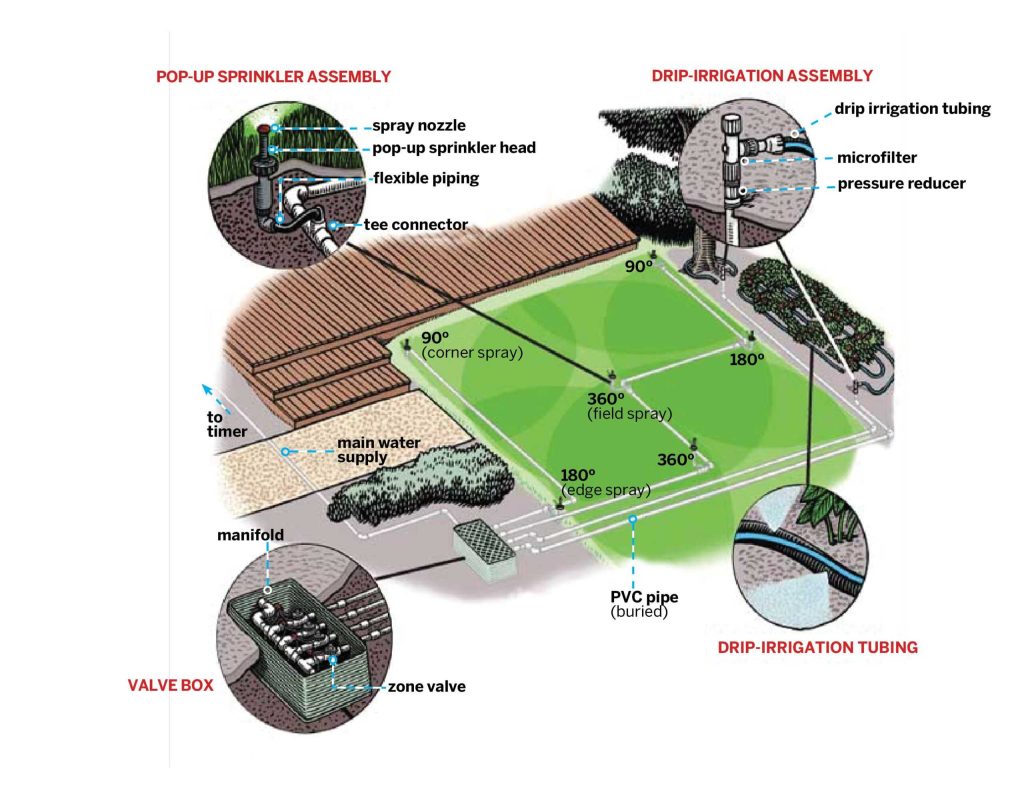
Installing a lawn sprinkler system can transform your yard into a green oasis with minimal effort. To get started, the quickest solution involves planning your layout based on your lawn’s size, choosing the right type of system—such as in-ground or portable—and gathering the necessary tools and materials. Once you have your plan, you’ll need to dig trenches for the pipes, install the sprinkler heads, and connect everything to your water source. Remember to test the system before covering any trenches to ensure proper functioning. With a little patience and the right approach, you can have a flourishing lawn that stays hydrated all season long.
Planning is crucial before diving into installation. Consider your lawn’s unique features, including slopes and existing landscaping. This will help you determine the best locations for your sprinkler heads to ensure even coverage. It’s also important to check local regulations regarding irrigation systems. Make sure you gather all the necessary materials, including pipes, fittings, a timer, and spray heads. Following a proper installation guide step by step will help you avoid common pitfalls and repairs down the line. Don’t forget to program your timer once everything is installed to keep your lawn watering routine consistent and efficient. By taking these steps, you’ll achieve a lush lawn that requires less manual watering.

How To Install A Lawn Sprinkler System
Installing a lawn sprinkler system is a great way to keep your lawn healthy and green without the hassle of dragging hoses around. This guide will walk you through the steps required to set up a system that is efficient, easy to use, and tailored to your lawn’s needs.
Understanding Your Lawn’s Water Needs
Before you start, it’s essential to understand how much water your lawn requires. Factors like the type of grass, local climate, and soil type play significant roles.
– **Grass Type**: Different grasses need different amounts of water.
– **Climate**: Hotter areas need more watering.
– **Soil Type**: Sandy soils drain faster than clay, requiring more frequent watering.
Consider testing your soil’s moisture level as well. This will help you determine how often you need to water your garden.
Planning Your Sprinkler System
Creating a plan is the next step. An effective plan should cover the layout and the coverage areas of your sprinkler system.
– **Make a Map**: Measure your yard and create a simple map. Mark the areas that need watering.
– **Choose Sprinkler Types**: There are several types to consider:
– **Fixed Sprinklers**: Good for small areas.
– **Rotary Sprinklers**: Great for larger lawns.
– **Drip Irrigation**: Best for gardens and flower beds.
Selecting the right type will ensure your lawn gets the best coverage.
Gathering Your Supplies
Once you have a plan, it’s time to gather your supplies. Here’s a checklist to help you out:
- Sprinklers
- Pipes and Fittings
- Valves
- Controller
- Backflow Preventer
- Tools (shovel, pipe cutter, etc.)
Buying quality materials will result in a longer-lasting system.
Installing the Main Water Line
The main water line is crucial for delivering water to your sprinklers. You’ll need to determine where to connect your system to your home’s water supply.
– **Locate the Supply Line**: Find where the water line enters your home.
– **Dig a Trench**: You will need a trench that is at least 12 inches deep to bury a PVC pipe.
Carefully connect the pipes to avoid any leaks.
Installing Sprinkler Heads
Next, it’s time to install the sprinkler heads. This step is significant for ensuring proper water coverage.
– **Mark Locations**: Use your map to mark where each head will go.
– **Cut Holes**: Cut holes in the grass where each sprinkler will be placed.
– **Connect Heads to Pipes**: Securely attach the heads to the piping so they are stable.
Make sure the heads are level with the ground for optimal performance.
Setting Up the Controller
The controller helps you manage when and how long to water your lawn. It’s like a brain for your sprinkler system.
– **Choose a Location**: Place it in an area that is easily accessible but safe from the elements.
– **Program Watering Schedule**: Set the timer based on your lawn’s needs and local weather.
Programming the controller correctly will save you water and keep your lawn lush.
Testing Your System
It’s important to test your system after installation. This process will help you identify any problems.
– **Turn ON the Water Supply**: Slowly start the water supply to check for leaks.
– **Run a Test Cycle**: Allow each sprinkler head to run for a few minutes to ensure proper coverage.
Make adjustments as necessary for any areas that are not receiving enough water.
Maintenance Tips for Your Sprinkler System
A well-maintained sprinkler system will last longer and be more effective.
– **Regular Checks**: Inspect your system monthly to ensure everything is working properly.
– **Clean Sprinkler Heads**: Remove any debris blocking the sprinkler heads.
– **Adjust Timing**: Change your watering schedule with the seasons.
Doing regular maintenance will keep your lawn healthy without extra watering.
Common Problems and Solutions
You may encounter some common issues with your sprinkler system. Here’s how to tackle them:
– **Leaky Pipes**: Always check for leaks in the pipes. Seal or replace damaged sections.
– **Clogged Sprinkler Heads**: Clean them to ensure they’re spraying properly.
– **Inconsistent Coverage**: Adjust the positioning of sprinkler heads for even distribution.
By recognizing these problems early, you can maintain a healthy lawn.
Installing a lawn sprinkler system can seem daunting, but by following these steps, you can create a watering system that works efficiently for your needs. The key is to understand your lawn’s needs, plan carefully, and maintain your system regularly. Enjoy the beauty of a lush, green lawn with minimal effort!
How to Install a Sprinkler System | A DIY Guide
Frequently Asked Questions
What materials do I need to install a lawn sprinkler system?
To install a lawn sprinkler system, gather the following materials: PVC pipes or polyethylene tubing, sprinkler heads, pipe fittings, a valve box, control valves, a timer or irrigation controller, a pressure regulator, and a backflow preventer. Additionally, you may need tools like a shovel, pipe wrench, and a trenching tool to help with the installation process.
How do I determine the layout for my sprinkler system?
Start by assessing the size and shape of your lawn. Measure the area you want to irrigate and create a rough sketch. Consider factors such as sun exposure, shading from trees or buildings, and the type of plants in your garden. Use this information to design a layout that ensures even water distribution, keeping sprinkler heads evenly spaced and positioned to cover all areas without overlap or dry spots.
What is the best time of year to install a sprinkler system?
The ideal time to install a sprinkler system is during the spring or fall when temperatures are moderate. Installing in these seasons helps minimize stress on your lawn and allows for better establishment of the system. Avoid installing during the peak heat of summer or when the ground is frozen in winter, as these conditions can complicate the installation process.
How deep should I bury the pipes for the sprinkler system?
Generally, you should bury the pipes at a depth of 6 to 12 inches, depending on your climate. In warmer areas, a depth of 6 inches may suffice, while colder regions may require deeper burial to protect pipes from freezing. Always check local codes and guidelines before proceeding with the installation to ensure compliance.
Do I need a permit to install a lawn sprinkler system?
Permitting requirements vary by location. Check with your local government or municipal office to find out if permits are necessary for installing a lawn sprinkler system. Obtaining the proper permits ensures that your installation meets local building codes and regulations, and it can help avoid potential fines or issues in the future.
Final Thoughts
Installing a lawn sprinkler system can greatly enhance your lawn’s health and appearance. To install a lawn sprinkler system, start by planning the layout and selecting the right components for your garden’s size and shape.
Next, follow a step-by-step approach to dig trenches, lay pipes, and install sprinkler heads. Finally, test the system to ensure it operates efficiently and adjust the coverage as needed.
By following these guidelines, you’ll effectively maintain a lush and vibrant lawn with your new system. Remember, knowing how to install a lawn sprinkler system will save you time and effort in the long run.