To restore your lawn’s vibrant green after a drought, start by watering deeply to encourage strong root growth, then fertilize with a nitrogen-rich formula to boost recovery. Aerate compacted soil and overseed bare patches to promote healthy grass growth, and avoid mowing too short which stresses the turf further.
In just a few simple steps, you can revive your drought-stricken lawn and bring back its lush appearance. Focus on proper watering, feeding, and aeration to help your grass recover and thrive again. With patience and care, your lawn will soon regain its beautiful color and vitality.
When your lawn has suffered from a dry spell, it often turns dull and brown, leaving you frustrated about how to bring back its natural beauty. Drought stress weakens grass, making it more vulnerable to damage and disease. Fortunately, with the right approach, you can effectively improve its color and overall health. The key is to rehydrate the soil deeply, provide essential nutrients, and encourage new growth through overseeding and aeration. This proactive care not only restores your lawn’s appearance but also strengthens it against future droughts. By acting promptly and following a strategic plan, you’ll be able to transform a sad, brown patch into a lush, green oasis you’ll be proud of.

How to Improve Lawn Color After Drought
After a period of drought, your lawn may look dull, yellowish, or patchy. Restoring its vibrant green color can seem challenging, but with the right steps, your lawn can bounce back quickly. This section offers detailed tips on how to bring your lawn’s color back to life.
Understanding the Effects of Drought on Your Lawn
Drought causes your grass to lose water, leading to browning or yellowing. Without enough moisture, grass blades dry out and become brittle. Extended droughts can damage the roots, making recovery slower and more difficult.
Knowing how drought impacts your lawn helps you choose the best recovery methods and avoid further damage. It’s essential to assess the current condition of your grass before starting restoration efforts.
Assessing Your Lawn’s Damage
Start by inspecting your lawn closely. Look for browning, thinning patches, or dead grass. Check the roots by gently pulling a small section of grass; healthy roots are firm and white, while dead roots are brown and brittle.
If the grass is only yellow or brown but the roots are still alive, recovery is possible. If roots are dead, you may need to reseed or resod.
Preparing Your Lawn for Recovery
Before applying any treatments, clear debris, weeds, and dead grass from your lawn. Aerating the soil can help improve water and nutrient absorption. Use a garden fork or aerator to gently poke holes across your lawn.
Proper preparation ensures that water, fertilizer, and other treatments reach the grassroots effectively.
Proper Watering Techniques to Restore Color
Deep and Infrequent Watering
Water your lawn deeply, aiming for about 1 to 1.5 inches of water per session. This encourages roots to grow deeper into the soil, making your lawn more drought-resistant in the future.
Water less frequently but for longer periods to allow the water to penetrate deeply. Early morning is the best time to water because it reduces evaporation.
Consistent Watering Schedule
Stick to a regular watering schedule—typically 2 to 3 times a week—especially during recovery. Avoid overwatering, which can lead to disease and shallow roots.
Adjust watering based on weather conditions, making sure not to water during rain or when the ground is already moist.
Fertilization Strategies to Boost Green Color
Selecting the Right Fertilizer
Use a fertilizer high in nitrogen, which promotes lush, green growth. Look for products labeled as lawn fertilizer with a balanced nitrogen, phosphorus, and potassium ratio, such as 20-5-10.
Apply fertilizer in early spring or after the lawn has shown signs of recovery. Avoid over-fertilizing, which can cause pollution and damage to the grass.
Applying Fertilizer Correctly
Spread fertilizer evenly using a push spreader for best results. Water the lawn immediately after fertilizing to help nutrients penetrate the soil.
Follow the manufacturer’s guidelines for application rates and timing. Consider using a slow-release fertilizer for a steady supply of nutrients.
Overseeding to Repair Damaged Areas
Choosing the Right Grass Seed
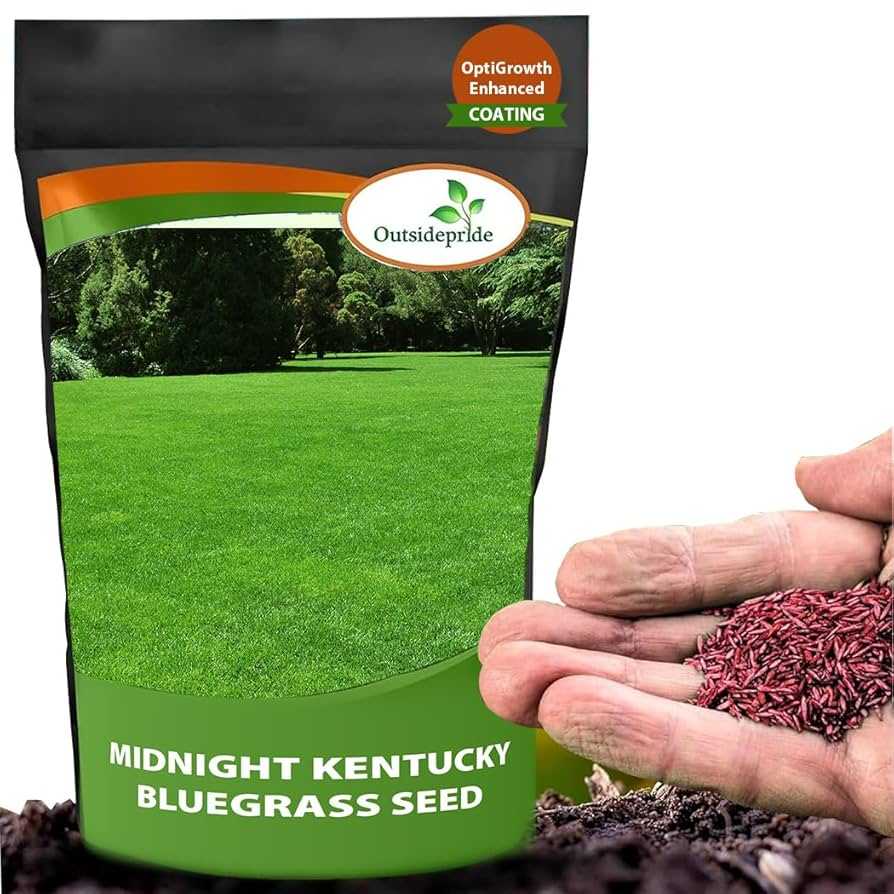
Opt for drought-tolerant grass varieties such as Bermuda, Zoysia, or Buffalo grass, which recover faster from drought stress. Select seeds suited to your climate and soil conditions.
Seeding Process
Sow seeds evenly over the prepared soil, focusing on patchy or bare spots. Lightly rake the soil to cover the seeds and press them down gently.
Keep soil moist with daily watering until new grass sprouts and becomes established.
Applying Soil Amendments for Better Growth
Adding Organic Matter
Incorporate compost or organic matter into your soil to improve fertility and water retention. Spread a thin layer over the lawn and rake it in.
pH Adjustment
Test your soil’s pH level; most grasses prefer a pH between 6.0 and 7.0. Amend acidic soils with lime or alkaline soils with sulfur as needed.
Preventative Measures for Future Droughts
Implement watering schedules that reduce stress on your lawn during dry periods. Mulch around plants and grassy areas to retain moisture.
Use drought-resistant grass varieties and avoid heavy foot traffic during drought conditions. These practices help your lawn withstand future dry spells better.
Additional Tips for a Green, Healthy Lawn
- Maintain appropriate mowing height—don’t cut grass too short.
- Avoid excessive fertilization or chemical use that can stress the grass.
- Ensure proper grading to prevent water runoff and promote even watering.
- Consistently monitor soil moisture levels using a soil moisture meter.
Summary of Actionable Steps
- Assess lawn damage and prepare the soil.
- Water deeply and regularly to encourage root growth.
- Apply nitrogen-rich fertilizer cautiously.
- Overseed with drought-tolerant grass varieties.
- Amend soil with organic matter and adjust pH if necessary.
- Practice ongoing lawn maintenance and drought prevention methods.
Following these steps can help you restore the lush, green color of your lawn after a drought. Patience and consistency are key to seeing results, so keep up with proper care and maintenance for a healthier yard.
How to FIX an UGLY Lawn with RESULTS – Step by Step for Beginners EASY
Frequently Asked Questions
What are effective methods to restore the green color of my lawn after a drought?
To bring back the vibrant green, start by watering deeply to encourage healthy root growth. Apply a balanced lawn fertilizer to supply essential nutrients and promote recovery. Consider aerating the soil to improve water penetration and reduce compaction. Reseed any bare or thin patches to encourage new growth. Maintain proper mowing practices by keeping the grass at the recommended height to reduce stress and enhance resilience.
How can soil health influence the recovery of my drought-affected lawn?
Healthy soil provides the foundation for a thriving lawn. Test your soil to identify deficiencies and amend it with organic matter or necessary nutrients. Incorporate compost to improve soil structure and water retention. Aerating compacted soil helps air and water reach grassroots more effectively. A well-balanced soil environment encourages strong root systems, which are crucial for recovering from drought stress.
What watering strategies can help my lawn recover efficiently after drought conditions?
Water your lawn thoroughly but infrequently to promote deep root growth. Early morning watering prevents evaporation and helps grass absorb moisture effectively. Use a sprinkler system that provides even coverage and avoid overwatering, which can lead to disease. Implementing a consistent watering schedule during recovery ensures the grass receives adequate hydration without stressing it further.
Are there specific grass types better suited for drought-prone areas in recovery stages?
Cool-season grasses like fescue and Kentucky bluegrass tend to recover well in drought conditions when properly maintained. Warm-season grasses such as Bermuda and buffalo grass are highly drought-tolerant and can bounce back quickly. Choose a grass type suitable for your climate and soil conditions, and consider overseeding with drought-resistant varieties to improve resilience and promote faster recovery.
Final Thoughts
Pour améliorer la couleur de la pelouse après une période de sécheresse, commencez par arroser profondément pour atteindre les racines. Utilisez un fertilisant riche en azote pour favoriser la croissance verte. Assurez-vous également de tondre à la bonne hauteur pour encourager un gazon dense. En suivant ces étapes, vous pouvez revitaliser votre pelouse et améliorer sa couleur après drought.