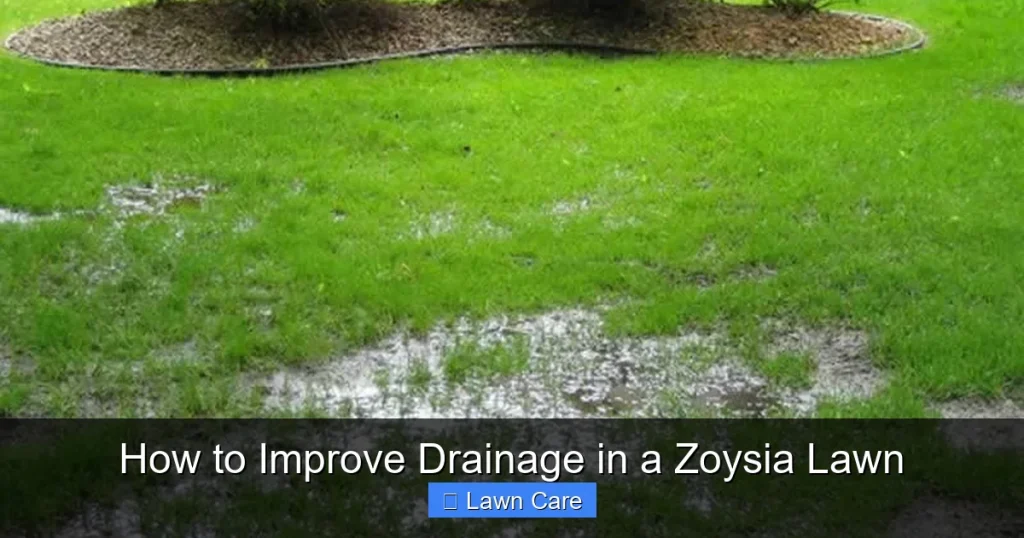
Don’t let standing water ruin your beautiful Zoysia lawn! This guide offers practical, easy-to-follow steps to improve drainage, combat waterlogged soil, and keep your grass healthy and vibrant. We’ll explore understanding the problem, simple solutions, and more advanced techniques for long-term success.
Having a lush, green Zoysia lawn is a dream for many homeowners. Zoysia grass is known for its beautiful density, drought tolerance, and resistance to weeds. However, even this resilient grass can suffer if it’s sitting in waterlogged soil. Poor drainage in your Zoysia lawn can lead to a host of problems, from unhealthy grass roots to an invitation for fungal diseases and pests. If you’ve noticed persistent puddles, soggy spots, or your Zoysia looking generally unhappy after rain, it’s time to address the drainage.
Don’t worry, improving drainage in a Zoysia lawn is achievable! It might seem daunting, but with a little understanding and the right approach, you can transform those soggy areas into a healthy, thriving landscape. This guide will walk you through common causes of poor drainage and provide practical solutions, from simple fixes to more involved projects. Let’s get your Zoysia lawn breathing easy again!
- Identify Drainage Issues: Look for standing water, soggy patches, or signs of root rot to diagnose drainage problems.
- Improve Soil Aeration: Core aeration creates small holes in the soil, allowing water and air to penetrate more easily.
- Amend Your Soil: Adding organic matter like compost improves soil structure and drainage.
- Regrade Slopes: Minor grading can redirect water flow away from problem areas.
- Install Drainage Systems: French drains or dry wells are effective for persistent, severe drainage issues.
- Avoid Compaction: Minimize foot traffic and heavy equipment use on wet soil to prevent worsening drainage.
- Regular Maintenance: Ongoing care, including proper mowing and dethatching, supports good drainage.
Quick Answers to Common Questions
What are the main signs of poor drainage in a Zoysia lawn?
Common signs include persistent puddles, soggy or spongy soil, yellowing or browning grass, and an increased incidence of fungal diseases or root rot.
How often should I aerate my Zoysia lawn for drainage improvement?
If you have noticeable drainage issues, aerate once a year during the active growing season. For general maintenance, every 1-2 years is usually sufficient.
Can organic matter really improve my lawn’s drainage?
Yes, adding organic matter like compost improves soil structure. It creates better pore space in clay soils for water to drain and helps sandy soils retain just enough moisture without becoming waterlogged.
Is regrading my lawn a difficult process?
Minor regrading for small dips can be a DIY project. However, for significant slopes or large areas, it’s best to consult a professional landscaper to ensure proper water flow and prevent erosion.
When should I consider installing a French drain or dry well?
These systems are best for persistent, severe drainage problems where water consistently pools and other methods haven’t resolved the issue.
📑 Table of Contents
Understanding Why Drainage Matters for Zoysia
Zoysia grass, while tough, still needs oxygen at its root level. When soil is constantly saturated, it suffocates the roots. This lack of oxygen, coupled with constant moisture, creates an ideal environment for root rot and other fungal diseases to take hold. You might see yellowing or browning patches, thin areas, or a spongy feel underfoot – all signs that your Zoysia is struggling due to poor drainage.
The Role of Soil Compaction
One of the most common culprits behind poor lawn drainage is soil compaction. Over time, heavy foot traffic, the use of lawnmowers (especially when the ground is wet), and even natural settling can pack the soil particles so tightly that water struggles to penetrate. Zoysia lawns, with their dense growth habit, can sometimes exacerbate this if not managed properly. Compacted soil essentially becomes like concrete for water, preventing it from reaching deeper soil layers or draining away effectively. Learning how to prevent soil compaction and improve lawn drainage is a crucial step for any homeowner.
Natural Grading and Low Spots
Sometimes, the issue isn’t just the soil itself but the way your land is sloped. If your yard has natural low spots or dips, water will naturally collect there after rain. Even a slight unevenness can create puddles that sit for extended periods. Understanding how to level your lawn to improve drainage can be a key solution for these surface-level issues.
Simple Solutions for Better Zoysia Lawn Drainage
Before you call in the heavy machinery, there are several straightforward steps you can take to improve drainage in your Zoysia lawn. These methods are often less labor-intensive and can make a significant difference.
Core Aeration: The First Line of Defense
Core aeration is one of the most effective and widely recommended practices for improving soil health and drainage in all types of lawns, including Zoysia. This process involves using a machine that pulls out small plugs of soil from your lawn. These plugs are then left on the surface to break down naturally.
The benefit? These small holes create pathways for water, air, and nutrients to reach the grass roots more easily. It’s like giving your lawn a chance to breathe! Aerating also helps to alleviate soil compaction. For Zoysia, which has a dense root system, aeration can be particularly beneficial in breaking up any thatch buildup and allowing water to penetrate that thick mat of grass.
Visual guide about How to Improve Drainage in a Zoysia Lawn
Image source: handymantips.org
* When to Aerate: The best time to aerate Zoysia is during its active growing season, typically late spring or early summer, or in the fall. Avoid aerating when the grass is dormant.
* How Often: For lawns with noticeable compaction or drainage issues, aerate once a year. For general maintenance, every 1-2 years is usually sufficient.
* What to Expect: Your lawn will look a bit messy immediately after aeration, with plugs scattered across the surface. However, this is temporary, and your grass will quickly recover, appearing healthier and more vibrant.
Topdressing with Organic Matter
Amending your soil with organic matter is another fantastic way to improve its structure and, consequently, its drainage. Compost, peat moss, or well-rotted manure are excellent choices. When you topdress your lawn, you’re essentially adding a layer of this beneficial material to the surface.
As you water and mow, this organic matter works its way down into the soil. It helps to bind soil particles together in clay soils, creating larger pore spaces for water to flow through. In sandy soils, it helps to retain moisture while still allowing for good drainage. This is a fantastic method for how to improve soil health in your lawn and, by extension, improve its drainage capabilities.
* Application: Spread a thin layer (about 1/4 to 1/2 inch) of compost evenly over the lawn. You can rake it in gently to help it settle.
* Frequency: Topdressing can be done once or twice a year, ideally after aerating, to help push the organic matter into the newly created holes.
Dethatching for Better Water Penetration
Thatch is the layer of dead and living grass stems, roots, and debris that accumulates on the soil surface, between the blades of grass. A thin layer of thatch is normal and can even be beneficial, but a thick thatch layer (more than 1/2 inch) can act like a sponge, repelling water and preventing it from reaching the soil. This is particularly problematic for drainage.
Removing excess thatch, a process called dethatching, allows water to penetrate the soil more easily. This is especially important for Zoysia, which can develop a dense thatch layer. Dethatching can be done with a rake or a specialized dethatching machine.
* When to Dethatch: Dethatch Zoysia during its active growing season, similar to aeration.
* Caution: Be careful not to over-dethatch, as it can stress the lawn.
More Advanced Drainage Solutions
If simple methods aren’t enough to solve your drainage problems, you might need to consider more involved solutions that address the root cause of water pooling. These often involve altering the landscape or installing specialized drainage systems.
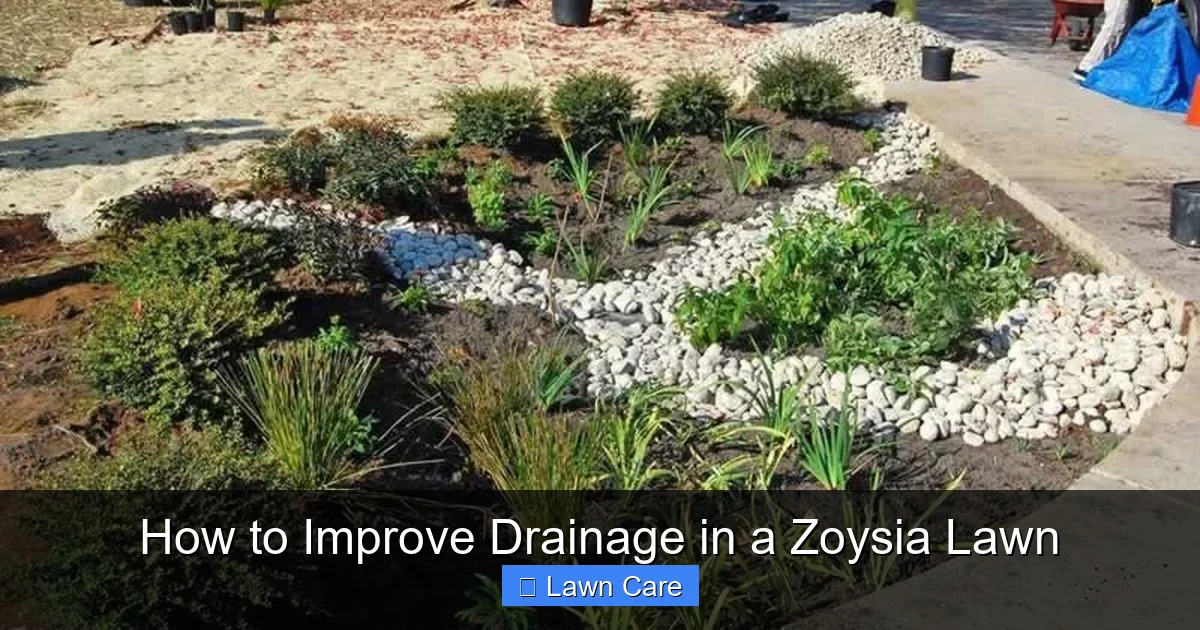
Regrading Your Lawn
For lawns with significant low spots or areas where water consistently pools, regrading might be necessary. This involves adding or removing soil to create a gentle slope that directs water away from your house, foundation, or other sensitive areas. This is a crucial step in how to level lawn to improve drainage.
This can be a DIY project for minor issues, but for larger areas or significant slopes, it’s often best to hire a landscaping professional. Improper grading can cause more problems than it solves, so careful planning is essential.
Visual guide about How to Improve Drainage in a Zoysia Lawn
Image source: handymantips.org
* DIY Regrading: For small dips, you can carefully add topsoil or a soil/compost mix to build up the area gradually. Ensure the new soil blends seamlessly with the existing grade.
* Professional Help: For substantial changes, a landscaper can ensure proper drainage flow and prevent erosion.
Installing Drainage Systems
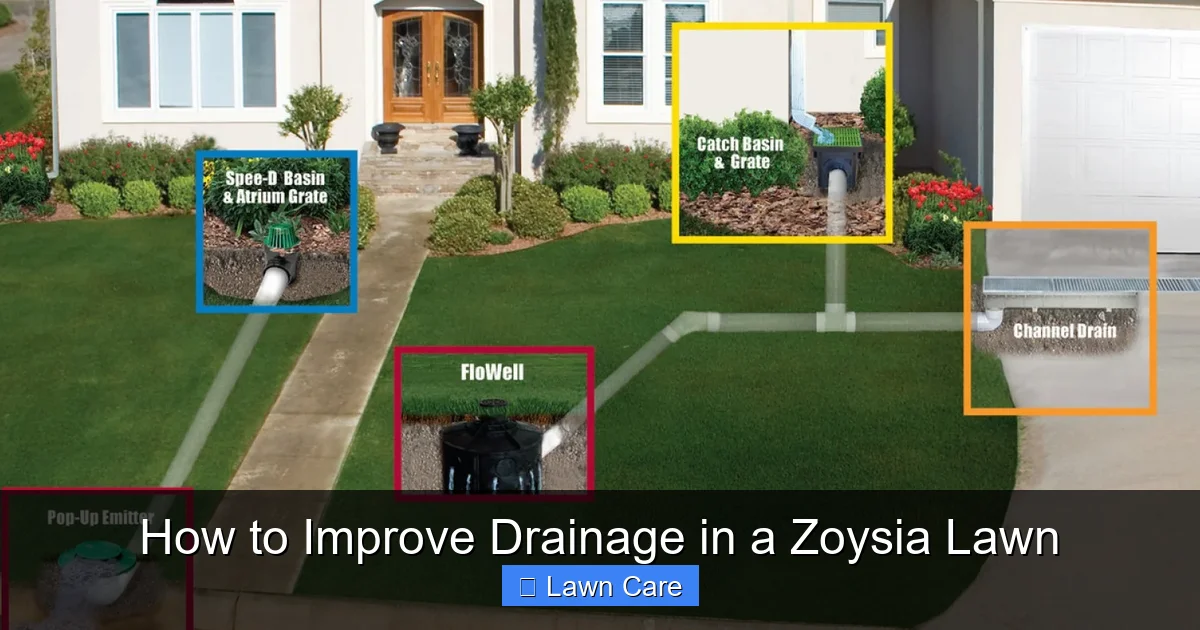
When water persistently collects in one area, or if you have clay soil that drains very slowly, installing a drainage system is often the most effective long-term solution. There are several types of systems you can consider.
French Drains
A French drain is a trench filled with gravel and a perforated pipe. It’s designed to collect excess groundwater and surface water and channel it away from the problem area to a lower point on your property or a designated drainage area. This is a classic solution for how to install a French drain in a lawn.
They are incredibly effective for managing soggy spots or areas near foundations that are prone to water damage. While it requires digging, the results are often dramatic and long-lasting.
* Components: A trench, landscape fabric, gravel, and a perforated drainpipe.
* Installation: The trench needs to be dug with a slight slope. The fabric lines the trench, the gravel is added, the pipe is laid, and then more gravel covers it. The fabric prevents soil from clogging the gravel.
Dry Wells
A dry well is essentially an underground hole filled with gravel and sometimes a perforated bin. It acts as a reservoir for excess water, allowing it to slowly seep into the surrounding soil. This is an excellent option for how to install a dry well in your lawn, especially if you have a specific area that collects a lot of water, like at the end of a downspout or a low spot.
Dry wells are particularly useful for managing surface runoff and preventing water from overwhelming your Zoysia lawn. They are a discrete and effective way to manage water where you need it most.
* Placement: Choose a location downhill from the problem area.
* Construction: Dig a deep pit, line it with landscape fabric, fill it with gravel, and cap it with soil or sod.
Drainage Pipes
In some cases, simply installing drainage pipes can help. These might be buried pipes that connect to existing drainage systems or lead to a designated area. If you’re looking for information on how to install drainage pipes in a lawn, this usually involves trenching and connecting to a municipal drain or a natural outlet.
This is a more involved project, often requiring permits depending on your location and where the water is being directed. It’s a robust solution for significant water management issues.
Water Management Best Practices for Zoysia
Beyond specific drainage projects, adopting good lawn care habits will significantly help your Zoysia lawn manage moisture effectively.
Proper Watering Techniques
Overwatering is a common mistake that exacerbates drainage problems. Zoysia is drought-tolerant, so it doesn’t need frequent, shallow watering. Instead, water deeply and less often. This encourages deeper root growth, making the grass more resilient.
When you do water, ensure the water is penetrating several inches into the soil. If water is running off or pooling, it’s a sign that the soil’s drainage capacity is already overwhelmed. This is where techniques described in articles on how to improve lawn drainage without digging can be particularly helpful.
Visual guide about How to Improve Drainage in a Zoysia Lawn
Image source: themasterslawncare.com
Mowing Patterns and Lawn Health
While it might seem unrelated, how you mow your Zoysia lawn can also play a role. Mow at the correct height for Zoysia (typically 1-2 inches). Mowing too short can stress the grass and expose more soil to compaction.
Experimenting with mowing patterns, like how to mow your lawn in a checkerboard pattern or a diamond pattern, can help prevent soil compaction that can occur from always mowing in the same direction. This varied approach distributes the weight of the mower more evenly.
Addressing Soil Quality
Ultimately, good drainage starts with good soil. If you have heavy clay soil, it will naturally drain slower. Focusing on improving soil quality over time, through regular aeration and organic matter additions, is a long-term strategy for a healthy Zoysia lawn. For comprehensive guidance, explore resources on how to improve soil quality for a healthier lawn.
When to Call the Professionals
While many drainage issues can be tackled with DIY methods, some require expert intervention. If you’ve tried several solutions and are still struggling with standing water, or if the problem is extensive and affecting your home’s foundation, it’s time to consult a professional landscaper or drainage specialist. They have the expertise and equipment to diagnose complex issues and implement effective solutions, such as comprehensive grading or installing sophisticated subsurface drainage systems.
Conclusion
Improving drainage in a Zoysia lawn is essential for its health and longevity. By understanding the causes of poor drainage, implementing simple yet effective solutions like aeration and soil amendment, and knowing when to consider more advanced techniques, you can ensure your Zoysia lawn remains a beautiful, thriving part of your landscape. Don’t let waterlogged soil get you down – take these steps and enjoy a healthier, greener lawn!
Frequently Asked Questions
Will improving drainage help my Zoysia grass grow thicker?
Yes, better drainage allows Zoysia roots to breathe and access nutrients and water more efficiently, promoting healthier growth and a denser appearance.
How can I tell if my soil is compacted?
Soil compaction can be identified by difficulty inserting a screwdriver into the ground, water pooling on the surface for extended periods after rain, or a spongy feel when walking on the lawn.
Is it okay to mow my Zoysia lawn when it’s wet?
It’s generally not recommended to mow a wet lawn. Mowing wet grass can lead to clumping, uneven cuts, and most importantly, can worsen soil compaction.
What is thatch, and how does it affect drainage?
Thatch is a layer of dead and living grass material on the soil surface. A thick thatch layer can act like a sponge, preventing water from reaching the soil and thus hindering drainage.
Are there any natural ways to improve lawn drainage?
Yes, incorporating organic matter, core aeration, and avoiding soil compaction are natural methods that significantly improve a lawn’s ability to drain.
How does Zoysia grass itself contribute to drainage issues?
Zoysia’s dense growth can sometimes contribute to thatch buildup, which, if excessive, can impede water penetration. Its strong root system also means that compaction can be quite detrimental.