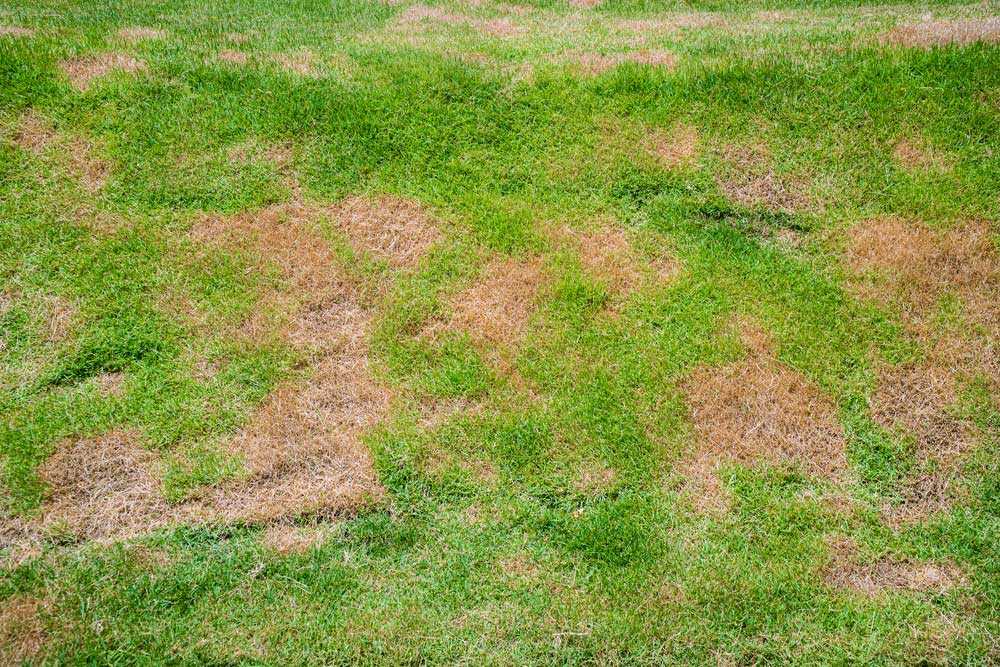
Identifying and treating grass fungus can seem daunting, but with a few key observations and steps, you can keep your lawn healthy and vibrant. If you notice irregular patches, discoloration, or a fuzzy texture on your grass, you might be dealing with a fungal issue. Quick solutions include improving air circulation, reducing watering, and applying a suitable fungicide. Maintaining a balanced lawn care routine is essential for prevention. Now, let’s dive deeper into recognizing the specific types of grass fungus and explore effective treatments tailored to your lawn’s needs. From understanding the signs to implementing practical solutions, you’ll be well-equipped to tackle any grass fungus challenges that arise, ensuring your lawn remains lush and green.

How To Identify And Treat Grass Fungus
Grass fungus is a common issue that many homeowners deal with, especially those who take pride in their lawns. Identifying grass fungus early can save your beautiful green space from extensive damage. Understanding the signs and symptoms is crucial in treating it effectively. Let’s dive into how to spot and manage grass fungus in your yard.
What Causes Grass Fungus?
Grass fungus thrives in specific conditions, mostly when the environment is favorable for its growth. Some of the primary causes include:
- Excess moisture in the soil
- Poor air circulation
- High humidity levels
- Improper lawn care practices
Understanding these factors can help you prevent grass fungus from taking hold in your lawn.
Common Types of Grass Fungus
Several types of grass fungus can affect your lawn. Here are some of the most prevalent:
- Brown Patch: This circular patch appears brown in the center while the edges may look yellowish.
- Dollar Spot: This fungus causes small, round spots on the grass, resembling a dollar coin.
- Rust: Rust fungus leads to orange-colored spores on the grass blades.
- Powdery Mildew: This fungus looks like a white powder coating on the grass.
Understanding these types can help you identify the problem early.
How To Identify Grass Fungus
Identifying grass fungus involves observing your lawn closely for any unusual changes. Here are key signs to look out for:
Discoloration
Many forms of grass fungus start with discolored patches. Look for areas that appear brown, yellow, or gray. The change in color is often the first sign.
Fungal Growth
You may see actual fungal growth, which often looks like spots or patches. This is typically an indication that the fungus has developed.
Wilting Grass Blades
Grass blades may appear wilted or stressed. This can occur when the fungus inhibits the grass’s ability to absorb nutrients.
Presence Of Spores
In some cases, you might notice spores on the grass. These are often orange or white in color and can indicate the type of fungus affecting your lawn.
When To Check For Grass Fungus
Timing is essential when it comes to checking for grass fungus. Regular checks are necessary, especially during:
- Warm and humid weather
- After heavy rainfall
- Seasonal changes, particularly in spring and fall
Being aware of these factors can help you catch grass fungus before it spreads.
How To Treat Grass Fungus
Treating grass fungus effectively requires a multi-step approach. Here are some methods to consider:
Improving Air Circulation
Ensure your lawn has good air circulation. You can achieve this by:
- Regularly mowing your lawn
- Aerating the soil
- Trimming nearby trees and shrubs
Good air flow helps reduce humidity, which can limit fungal growth.
Adjusting Watering Practices
How and when you water your lawn is crucial in managing grass fungus. Consider these tips:
- Water early in the morning to allow blades to dry
- Avoid overwatering, as soaking the soil can promote fungus growth
Proper watering strategies can significantly impact lawn health.
Using Fungicides
In more severe cases, you may need to use fungicides. Follow these steps:
- Choose a fungicide specifically designed for grass fungus
- Follow the instructions carefully
- Apply when the lawn is dry and conditions are suitable
Fungicides can provide targeted treatment to eliminate the fungus.
Regular Lawn Maintenance
A well-maintained lawn is less susceptible to grass fungus. Implement these practices:
- Regular mowing
- Fertilizing appropriately based on your grass type
- Weed control to reduce competition for nutrients
Keeping up with lawn maintenance can prevent many issues.
Long-term Prevention Strategies
Preventing grass fungus is often easier than treating it. Here are some long-term strategies you can adopt:
Choosing Resistant Grass Varieties
Some grass types are more resistant to fungus than others. When planting or reseeding, consider varieties known for their durability against diseases.
Soil Health Monitoring
Maintaining healthy soil is crucial. You can improve soil health by:
- Testing soil pH regularly
- Add organic matter to enhance soil quality
Healthy soil grows stronger grass, which can naturally resist disease.
Proper Fertilization
Fertilizing correctly can make a significant difference. You should:
- Use a balanced fertilizer
- Apply fertilizer during the growing season
Fertilized grass is more robust and can withstand stress better.
Avoiding Compacted Soil
Compacted soil can lead to poor drainage and increased fungal growth. Regularly aerate your lawn to relieve compaction and improve oxygen flow.
Grass fungus can be a nuisance, but with the right knowledge and steps, you can keep your lawn in top condition. By identifying the signs early, using effective treatment methods, and implementing preventative measures, you can enjoy a healthy, green lawn free from diseases. Taking care of your lawn is not just about maintaining its appearance; it’s also about creating a thriving environment for your grass to flourish.
How To Control And Treat Fungus In St. Augustine Grass (Brown Patch/Large Patch Fungus)
Frequently Asked Questions
“`html
What are the common symptoms of grass fungus?
Common symptoms of grass fungus include discolored patches on the lawn, which may appear brown, yellow, or gray. You might also notice a slimy texture on the grass blades, wilting, or stunted growth. Additionally, the presence of spores, often seen as white or fuzzy spots, can indicate fungal activity.
How can weather conditions affect grass fungus?
Weather conditions play a significant role in the development of grass fungus. High humidity, excessive rainfall, and warm temperatures create an ideal environment for fungal growth. Conversely, drought conditions can stress the grass, making it more susceptible to infections. Keeping your lawn healthy through proper watering and maintenance minimizes these risks.
What preventative measures can I take against grass fungus?
To prevent grass fungus, maintain proper lawn care practices. Mow regularly to ensure grass stays at an optimal height and improve air circulation. Water early in the morning to allow the grass to dry throughout the day. Additionally, aerate the lawn to enhance drainage and avoid over-fertilizing, which can lead to lush growth that is more prone to disease.
What are the treatment options for grass fungus?
Treat grass fungus with fungicides specifically designed for lawn use. These products target the fungi without harming your grass. Additionally, you can improve lawn health with proper watering and fertilization. Remove any infected grass clippings and maintain a consistent mowing schedule to reduce the spread of the fungus.
How often should I check my lawn for signs of fungus?
Regularly inspecting your lawn for signs of fungus is essential, especially during warm and humid seasons. Aim to check your lawn at least once a week. Look for any changes in color, texture, or overall health of the grass. Early detection allows for quicker intervention and can prevent larger outbreaks.
“`
Final Thoughts
Identifying and treating grass fungus is essential for maintaining a healthy lawn. Signs of grass fungus include discolored patches, wilting, or unusual growth patterns. Timely intervention can prevent further spread and damage.
To treat grass fungus, use fungicides and ensure proper lawn care practices like aeration and watering appropriately. Regularly mowing and removing debris can also help minimize fungal growth.
In conclusion, knowing how to identify and treat grass fungus allows homeowners to keep their lawns lush and vibrant. By staying vigilant and proactive, you can enjoy a healthier outdoor space.