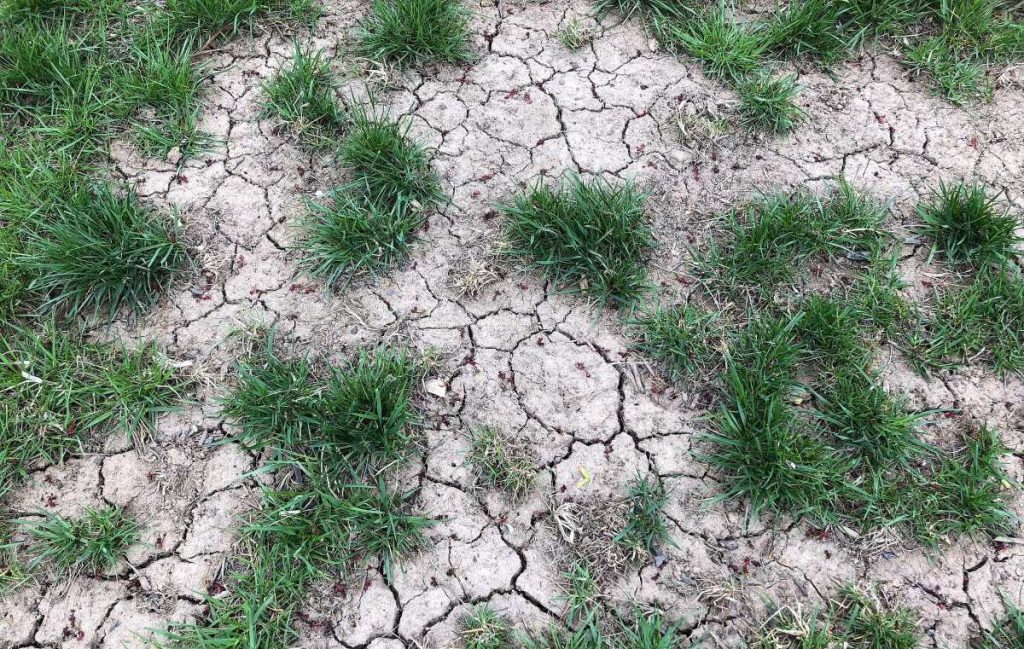
If your lawn has been suffering from drought, the good news is that you can revitalize it with a few simple steps. Begin by watering deeply and less frequently to encourage deep root growth. Additionally, consider aerating the soil to improve water absorption and applying a layer of mulch to retain moisture. Fertilizing with a high-nitrogen blend can also help jumpstart recovery. Remember, patience is key—healthy grass might take some time to bounce back, but with consistent care, you’ll soon see a lush, green lawn again.
Drought conditions can be tough on your grass, leaving it brown and stressed. However, with the right approach, you can help your lawn regain its vitality. Understanding the needs of your grass and implementing effective recovery strategies can make all the difference. From proper watering techniques to soil enrichment, there are multiple ways to promote healthy growth. Let’s explore how you can nurture your lawn back to its vibrant self after a dry spell.

How To Help Lawn Recover From Drought
Drought can be a significant challenge for lawn care enthusiasts. When lawns experience extended periods without water, they can become brown and lifeless. However, there are several effective strategies that homeowners can implement to aid their lawns in recovery. This guide will detail actionable steps to bring your lawn back to life after a drought.
Understanding Drought-Damaged Lawns
Before embarking on the recovery journey, it’s crucial to examine how drought affects your lawn. Drought conditions lead to soil compaction, reduced root growth, and the loss of nutrients.
– **Visible Signs of Drought Damage**: Look for brown patches, wilting grass, and soil that feels dry. These indications demonstrate that your lawn has suffered from lack of moisture.
– **Types of Grass**: Different grass types have varying drought resistance. For instance, Kentucky bluegrass is less tolerant than Bermuda grass.
Recognizing these signs will help you tailor your recovery strategy effectively.
Step-by-Step Recovery Process
Now that we understand the impact of drought, let’s explore a systematic approach to yard recovery.
1. Assess the Damage
Start by surveying your lawn to determine the level of damage.
– Check for dead or severely damaged areas.
– Identify parts of the lawn that are still green and healthy.
This assessment will guide your recovery strategy and help prioritize areas needing immediate attention.
2. Rehydrate Slowly
When your lawn finally receives moisture, it’s essential to rehydrate slowly to avoid causing further stress.
– **Initial Watering**: Start with light watering. This will help the grass absorb moisture without becoming overwhelmed.
– **Deep Watering**: Gradually increase the intensity of watering over days. Aim for deeper watering sessions every few days rather than frequent shallow sprays.
Longer irrigation allows for better water penetration to the roots.
3. Aerate the Soil
Aeration is crucial as it alleviates soil compaction.
– **Method**: Using a core aerator, perforate the soil with holes to enhance air and water penetration.
– **Benefits**: Aeration allows roots to access nutrients more efficiently, improving overall lawn health.
Consider doing this during cooler times to minimize stress on the grass.
4. Apply Fertilizer Wisely
Fertilization can provide a much-needed nutrient boost post-drought.
– **Choose the Right Fertilizer**: Select a slow-release fertilizer that contains nitrogen, phosphorus, and potassium.
– **Application Timing**: Apply fertilizer after the lawn starts showing signs of recovery. Avoid fertilizing right after watering to prevent burning the grass.
A healthy dose of nutrients will accelerate growth and recovery.
5. Reseed Damaged Areas
If certain areas of your lawn are beyond recovery, consider reseeding.
– **Selecting Grass Seed**: Choose a drought-resistant grass type suited to your climate.
– **Sowing Technique**: Spread seeds evenly on bare patches and lightly cover them with soil. Keep these areas moist to encourage germination.
Reseeding ensures that your lawn flourishes in the long run.
Best Practices for Long-term Health
Once your lawn begins to recover, it’s essential to implement best practices for its long-term health.
1. Watering Schedule
Developing a consistent watering routine is vital.
– **Frequency**: Water deeply once or twice a week instead of daily. This encourages deeper root growth.
– **Timing**: Water early in the morning to reduce evaporation.
A sound routine will prepare your lawn better for future drought conditions.
2. Mowing Techniques
Proper mowing techniques can also enhance lawn resilience.
– **Height**: Keep grass at a higher mowing height to provide shade for roots.
– **Frequency**: Avoid cutting more than one-third of the grass blade at a time.
By practicing these techniques, your lawn will be stronger and more drought-tolerant.
3. Mulching and Composting
Incorporate organic matter into your lawn care routine.
– **Benefits of Mulching**: Applying organic mulch can help retain moisture, suppress weeds, and improve soil health.
– **Composting**: Use compost to enrich the soil when aerating. It introduces beneficial microorganisms and nutrients.
These practices create a more sustainable lawn that thrives in various conditions.
Soil Testing and Amendments
Conducting a soil test can provide insight into nutrient deficiencies and pH levels.
1. Conducting a Soil Test
A soil test measures nutrient levels and pH balance.
– **Collect Samples**: Use a soil test kit or send samples to a local gardening center.
– **Interpreting Results**: Follow the recommendations based on the levels of nutrients and desired pH.
Understanding your soil allows for tailored amendments.
2. Making Amendments
Based on the results of your soil test, you may need to amend your lawn.
– **Adding Lime or Sulfur**: These can help balance the soil pH.
– **Fertilizers and Organic Matter**: Use them to correct nutrient deficiencies.
Adjusted soil conditions promote healthy grass growth.
Encouraging Drought-Resistant Grass Types
When selecting or reseeding, consider drought-resistant grass types for future resilience.
1. Suitable Grass Varieties
Some grass types are more suited for drought conditions.
– **Bermuda Grass**: Very drought-resistant, great for sunny areas.
– **Fescue Grass**: Tolerates shade well and maintains greener turf during dry spells.
Choosing the right grass type forms the foundation of a resilient lawn.
2. Native Grasses**
Embrace local flora by planting native grasses.
– **Benefits**: They are already adapted to your climate and require less maintenance.
– **Ecosystem Contribution**: Native grasses provide habitats for local wildlife and contribute to biodiversity.
Adopting native grasses enhances lawn sustainability.
Preventive Measures for Future Droughts
Preventive care helps ensure your lawn remains healthy during drought.
1. Efficient Watering Techniques
Utilize smart watering techniques to reduce waste.
– **Drip Irrigation**: This delivers water directly to the roots, minimizing evaporation.
– **Rain Barrels**: Collect rainwater for later use in watering your lawn.
Efficient watering increases sustainability and reduces costs.
2. Lawn Care Calendar
Create a lawn care calendar to stay organized.
– **Seasonal Tasks**: Plan for fertilization, aeration, and reseeding throughout the year.
– **Watering Schedule**: Mark times for regular watering sessions based on seasonal climate changes.
A lawn care calendar keeps maintenance on track.
Recovering a lawn from drought requires a proactive and strategic approach. By following these steps, homeowners can restore their lawns and enhance resilience against future dry spells. Maintain consistent care and adapt techniques as needed, and your lawn will thrive beautifully.
How To Revive Your Lawn After A Drought
Frequently Asked Questions
What signs indicate that my lawn is suffering from drought?
Common signs of drought stress in your lawn include brown patches, a dry and brittle texture, and grass that is slow to bounce back after being walked on. You might also notice that the grass blades are folding or rolling to conserve moisture. If your lawn begins to emit a strong odor when stepped on, this may indicate that it is overly dry.
How can I effectively water my lawn to aid its recovery?
To help your lawn recover, water it deeply and infrequently rather than giving it light, frequent watering. Aim for about one inch of water per week, either through rainfall or irrigation. Water early in the morning to reduce evaporation. Consider using a soaker hose or drip irrigation to deliver moisture directly to the roots.
Should I fertilize my lawn after a drought?
Resist the urge to fertilize immediately after a drought, as your grass may be stressed and not able to utilize the nutrients effectively. Instead, wait until your lawn shows signs of recovery. When you do fertilize, choose a slow-release fertilizer to promote gradual growth without overwhelming the grass.
What type of grass is best for drought-prone areas?
Choose drought-resistant grass types that are better suited for low-water conditions. Varieties such as Bermuda grass, zoysiagrass, and fescue are known for their drought tolerance. These grasses develop deeper root systems and can survive periods of reduced moisture more effectively than traditional lawns.
How can I improve my lawn’s soil to support recovery from drought?
Improving your soil is crucial for helping your lawn bounce back. Aerate the lawn to relieve compaction and allow water and nutrients to penetrate deeper. Adding organic matter, such as compost, can enhance soil structure, improve moisture retention, and provide essential nutrients for recovery.
What should I do if my lawn doesn’t seem to recover after drought?
If your lawn shows little improvement despite your efforts, consider overseeding with drought-resistant varieties to promote new growth. Moreover, evaluate your watering practices and lawn care routine to identify any areas for improvement. In some cases, replacing the existing grass may be necessary to establish a healthier lawn that can withstand dry conditions.
Final Thoughts
To help your lawn recover from drought, start by assessing the damage and ensuring proper watering practices. Gradually reintroduce water to encourage deep roots and avoid further stress on the grass.
Incorporate organic fertilizers to boost nutrient levels and promote healthy growth. Regular mowing can help maintain the lawn’s appearance while allowing it to restore itself.
Consider aerating the soil to improve water penetration and root development. Following these steps will effectively support your lawn’s recovery. Remember, understanding “How To Help Lawn Recover From Drought” is key to restoring its vitality.