To grow Kentucky bluegrass from seed successfully, choose a sunny spot with well-draining soil, prepare the area by raking and leveling it, then evenly spread the seed and keep the soil consistently moist until the grass is established. Regular watering, proper fertilization, and mowing at the right height will ensure a lush, healthy lawn.
Growing Kentucky bluegrass from seed is a rewarding process that transforms your yard into a vibrant, dense carpet of greenery. This grass variety is popular for its fine texture and beautiful blue-green hue, making it ideal for lawns and sports fields alike. To get started, select high-quality seeds suited for your climate, prepare the soil thoroughly, and stay committed to watering and caring for your new lawn until it becomes firm and resilient. With patience and attention to detail, you’ll soon enjoy a stunning bluegrass lawn that enhances your home’s curb appeal and provides a perfect space for outdoor activities.

How to Grow Kentucky Bluegrass from Seed
Understanding Kentucky Bluegrass and Its Benefits
Kentucky Bluegrass is a popular choice for lawns in many regions due to its lush, deep green color and soft texture. It thrives in cool, moist environments and creates a dense, carpet-like appearance. This grass type is excellent for high-traffic areas because of its durability, making it ideal for families and outdoor activities. Knowing the benefits of Kentucky Bluegrass helps gardeners appreciate why they should invest time in learning how to grow it successfully from seed.
Preparing the Soil for Seeding
Healthy soil is the foundation for a vibrant Kentucky Bluegrass lawn. Before seeding, remove any weeds, rocks, or debris from the area to create a clean surface. Test the soil’s pH level; Kentucky Bluegrass prefers a pH between 6.0 and 7.0. If needed, amend the soil with lime to raise pH or sulfur to lower it.
Incorporate organic matter such as compost or topsoil to improve soil fertility and drainage. Loosen the soil to a depth of at least 4 inches using a rake or rototiller. Smooth out the surface to ensure even seed distribution and proper soil contact.
Selecting the Right Kentucky Bluegrass Seed
Choose high-quality seed that is certified and suited to your climate zone. Look for seeds with a high germination rate and purity percentage—ideally above 85%. Hybrid varieties might offer improved pest resistance and drought tolerance.
Consider the seed blend’s composition. A mixture with other cool-season grasses like fescue can adapt better to variable conditions, but pure Kentucky Bluegrass seeds provide a more uniform appearance. Read product labels carefully to identify the best seed for your specific lawn needs.
Timing Your Seeding
Timing is crucial for successful Kentucky Bluegrass growth. The ideal seeding period is during early spring or early fall when temperatures are mild. Spring seeding allows the grass to establish before the hot summer months, while fall seeding benefits from cooler temperatures and increased rainfall.
Avoid seeding during periods of extreme heat or drought, as young grass seedlings are vulnerable. Check local weather forecasts to plan your seeding schedule for optimal germination and growth.
Seeding Techniques and Rates
Spread the seeds evenly across the prepared soil using a broadcast spreader or by hand for small areas. For best results, apply seed at a rate of 1 to 2 pounds per 1000 square feet. Avoid overseeding too thickly, which can lead to poor air circulation and disease.
After spreading, lightly rake the soil to ensure seed-to-soil contact. You can also cover the seeds with a thin layer of straw or mulch to retain moisture and prevent birds from eating the seeds.
Watering for Germination and Growth
Consistent moisture is essential for germination, which typically occurs within 14 to 30 days. Water lightly but frequently—keeping the top 1/2 inch of soil moist without waterlogging. Early watering sessions should occur two to three times daily during dry periods.
Once seedlings establish, gradually reduce watering frequency but increase the depth of each watering. Deep, infrequent watering encourages strong roots. Aim for about 1 to 1.5 inches of water each week, including rainfall.
Managing Germination and Early Growth
As seedlings sprout, monitor the lawn regularly for weeds and pests. Keep the soil consistently moist and avoid heavy foot traffic to prevent disturbing young roots. Fill in any thin or patchy areas with additional seed if needed.
Fertilize lightly with a nitrogen-rich fertilizer after the grass reaches about 2 inches in height. This provides energy for healthy growth and dense coverage. Avoid over-fertilizing, which can cause disease and excessive thatch buildup.
Maintaining and Mowing Your Kentucky Bluegrass Lawn
Once the grass reaches about 3 inches, mow it to a height of 2 to 2.5 inches for optimal health. Regular mowing promotes dense growth and prevents weeds from taking hold. Use sharp blades to make clean cuts, reducing stress on the grass.
Maintain a mowing schedule that removes no more than one-third of the grass height at a time. Keep your mower blades clean and properly adjusted for best results.
Fertilizing and Weed Control
Feed your Kentucky Bluegrass lawn with a balanced fertilizer every 6 to 8 weeks during the growing season. Focus on nitrogen, phosphorus, and potassium to support root development and overall health. Follow application rates carefully to avoid overfeeding.
Apply pre-emergent weed control in early spring to prevent weeds from germinating. For existing weeds, use targeted spot treatments or broadleaf herbicides suitable for Kentucky Bluegrass. Proper fertilization, mowing, and watering help maintain a thick, weed-resistant lawn.
Dealing with Common Challenges
Kentucky Bluegrass can face issues such as pests, disease, or drought stress. Keep an eye out for insect damage or fungal infections like rust or leaf spot. Use appropriate treatments and improve air circulation to prevent disease.
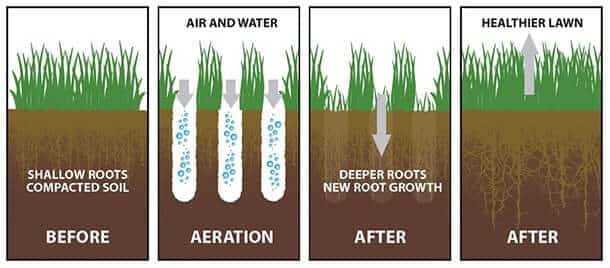
Watering deeply during dry spells and avoiding overwatering can reduce drought stress. Aerate the soil annually to improve drainage and nutrient penetration. Proper lawn care minimizes the risk of common problems.
Additional Tips for Successful Growth
Consistency is key; stick to a regular lawn care routine for best results. Avoid heavy use or foot traffic until the grass is well established. Aerate and dethatch your lawn as needed to promote healthy root development.
Lastly, patience pays off—Kentucky Bluegrass takes time to reach full maturity. With proper preparation, seeding, and maintenance, you can enjoy a beautiful, dense lawn that adds value and enjoyment to your outdoor space.
This detailed guide should help you understand each step of growing Kentucky Bluegrass from seed. Following these tips ensures a lush, healthy lawn that lasts for years to come.
Quick Tip: Don't Overseed Your Kentucky Bluegrass
Frequently Asked Questions
What is the best time of year to plant Kentucky bluegrass from seed?
The optimal time to sow Kentucky bluegrass seeds is during early spring or early fall. Planting in these periods allows the grass to establish roots before extreme temperatures or drought conditions set in. Spring planting should be done after the soil warms up and has dried out from winter, while fall planting gives the grass time to establish roots before winter dormancy.
How should I prepare my soil before sowing Kentucky bluegrass seeds?
Start by removing weeds, rocks, and debris from the area. Loosen the soil using a rake or tiller to create a smooth, even surface. Incorporate organic matter or compost to improve soil fertility and drainage. Ensure the soil has a pH between 6.0 and 7.0 for optimal growth. Proper preparation ensures good seed-to-soil contact, which is key to successful germination.
What watering schedule promotes healthy Kentucky bluegrass seed germination?
Keep the soil consistently moist during germination by watering lightly several times a day, especially in the first two weeks. Once the grass sprouts and establishes roots, gradually reduce frequency but increase the depth of watering to encourage deep root growth. Adequate moisture is essential, but avoid overwatering to prevent seed washout or disease.
How can I ensure even seed distribution when planting Kentucky bluegrass?
Mix the seeds with sand or soil to help distribute them evenly across the planting area. Use a broadcast spreader to cover the area uniformly, overlapping passes slightly to prevent bare spots. Lightly rake the area afterward to press the seeds into the soil, which helps improve contact and encourages germination.
What maintenance practices should I follow after planting Kentucky bluegrass from seed?
Maintain a regular watering schedule to keep the soil moist until the grass is well established. Avoid mowing until the grass reaches about 3 inches in height; then, mow at a height of 2 to 2.5 inches. Apply a balanced fertilizer after the grass has sprouted and started growing actively. Aerate the soil annually and control weeds early to promote healthy, dense turf.
Final Thoughts
To grow Kentucky bluegrass from seed effectively, prepare the soil by loosening it and removing weeds. Spread the seed evenly across the area, then lightly rake to ensure good soil contact. Keep the area consistently moist until the grass is established.
Regular watering and proper fertilization promote healthy growth and density. Follow these steps for success with how to grow kentucky bluegrass from seed, and enjoy a lush, green lawn.