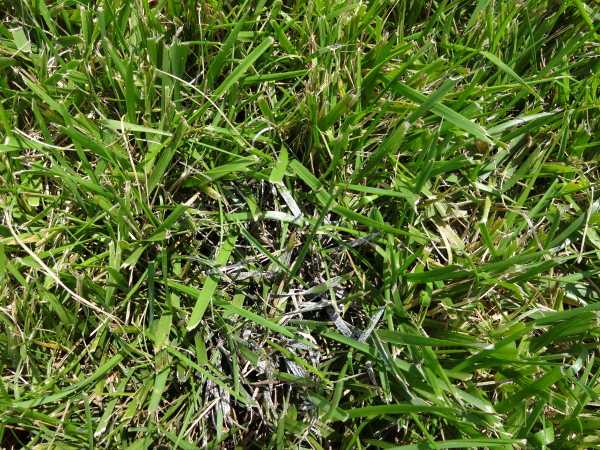
Dealing with white powdery mildew on your grass can be frustrating, but there are effective ways to tackle it! Start by improving air circulation around your lawn—this can be achieved by avoiding overcrowding and mowing at the right height. Water early in the day to allow the grass to dry quickly, and consider using a fungicide specifically designed for this issue. Natural solutions, like a baking soda spray, can also help combat the fungus. Remember, prevention is key: maintaining healthy, resilient grass is your best defense against powdery mildew. With a few simple steps, you can revive your lawn and keep it looking lush and vibrant.
White powdery mildew can be a common issue for lawn enthusiasts, particularly in humid or damp conditions. This fungal disease typically appears as a white, powdery coating on grass blades and can weaken the plants over time. Factors such as poor air circulation, high humidity, and overwatering often contribute to its development. If not addressed promptly, it can spread quickly, impacting the overall health of your lawn. Fortunately, there are several strategies you can employ to manage and eliminate this pesky problem. By understanding the causes and implementing effective treatments, you can restore your lawn’s vitality and enjoy a thriving outdoor space once again.

How to Get Rid of White Powdery Mildew on Grass
White powdery mildew on grass is a common problem many homeowners face. This fungal disease can make your lawn look unattractive and unhealthy. Understanding how to get rid of white powdery mildew is essential for maintaining a lush and vibrant yard. In this article, we will discuss effective methods to combat this issue.
Understanding White Powdery Mildew
White powdery mildew is caused by various fungi that thrive in warm, dry conditions. This infection appears as a white, powdery substance on the grass blades.
– It usually develops when the humidity is high and temperatures are moderate.
– The fungus can spread quickly, particularly in areas with poor air circulation.
Recognizing this disease early can help prevent it from taking over your entire lawn.
Identifying Symptoms
Before you can deal with white powdery mildew, it’s crucial to know what to look for. Signs of this fungus include:
- White, powdery spots on grass blades.
- Grass that appears yellowed or stressed.
- Stunted growth, with affected areas failing to thrive.
If you notice these symptoms, it’s time to take action to protect your lawn.
Preventing White Powdery Mildew
Prevention is the best strategy. By making certain adjustments to your lawn care routine, you can significantly reduce the likelihood of white powdery mildew appearing.
Watering Practices
Proper watering is crucial. Make sure to:
- Water early in the morning to allow the grass to dry during the day.
- Use deep watering methods to encourage root growth without over-saturating the soil.
Overwatering can create damp conditions that promote mildew growth.
Mowing Techniques
Regular mowing keeps your lawn healthy and helps prevent mildew. Here are some tips:
- Mow to a consistent height, generally between two to four inches.
- Keep your mower blades sharp to reduce stress on the grass.
When grass is cut unevenly, it can weaken and become more susceptible to disease.
Aerate Your Lawn
Aerating helps improve air circulation within the soil. It does this by:
- Reducing soil compaction.
- Allowing water and nutrients to penetrate deeper into the soil.
Aeration is best done during the growing season when your grass is most active.
How to Treat White Powdery Mildew
If you already have white powdery mildew, don’t panic. There are several effective treatments you can use.
Natural Remedies
Some natural solutions can be effective in combating white powdery mildew. Consider trying:
- A mixture of baking soda and water. Combine one tablespoon of baking soda with one gallon of water and spray it onto the affected areas.
- Neem oil, which is a natural pesticide. Apply it according to the manufacturer’s instructions.
These remedies can help to kill the fungi and prevent further spread.
Chemical Treatments
If natural remedies aren’t working, you might need to consider chemical fungicides. When using these products:
- Follow the application instructions carefully.
- Choose a fungicide that is specifically labeled for powdery mildew.
Be sure to apply during cooler parts of the day to minimize plant stress.
Improve Air Circulation
Increasing air circulation is key to controlling white powdery mildew. You can do this by:
- Trimming trees and shrubs that may be blocking sunlight and airflow.
- Spacing out plants in your garden, allowing more air to reach the grass.
Good airflow helps keep the grass dry and less prone to fungal growth.
Adjusting Lawn Fertilization
Your fertilization practices can also impact the development of white powdery mildew. Here’s how to adjust:
- Use a nitrogen-rich fertilizer to promote healthy grass growth.
- Avoid over-fertilizing, as this can lead to rapid grass growth that is vulnerable to disease.
A strong, healthy lawn is less likely to fall victim to mildew.
Regular Lawn Maintenance
Consistent maintenance is essential for preventing white powdery mildew. Here are some practices to adopt:
- Regularly check for any signs of disease.
- Remove debris and fallen leaves that can trap moisture.
Keeping your lawn clean and well-maintained reduces the risk of infection.
Seasonal Considerations
Different seasons can affect how you care for your lawn. During the hot summer months:
- Monitor humidity levels and adjust watering accordingly.
- Consider using mulch to help retain moisture without overwatering.
In cooler months, ensure proper sunlight exposure to keep your grass healthy.
Monitoring Weather Conditions
Weather plays a significant role in the health of your lawn. Keep an eye on:
- Temperature and humidity levels; high humidity can encourage mildew growth.
- Weather forecasts for rain, as excess moisture can contribute to the problem.
Adjust your lawn care practices based on these observations.
Consulting Lawn Care Professionals
If you find that white powdery mildew persists despite your best efforts, consider seeking professional help. A lawn care expert can provide:
- Expert analysis of your lawn’s health.
- Customized treatment plans tailored to your specific conditions.
Professional assistance can save you time and ensure a healthier lawn.
To sum up, dealing with white powdery mildew on grass requires a proactive approach. By understanding the problem, taking preventive measures, and using effective treatments, you can keep your lawn looking its best. Maintaining a healthy lawn not only improves its appearance but also enhances your property’s overall value. Taking these steps will help you reclaim your grass from this pesky fungal disease, ensuring it’s green, healthy, and vibrant for years to come.
🌿 White Powdery Mildew☘️
Frequently Asked Questions
What causes white powdery mildew on grass?
White powdery mildew on grass typically occurs due to high humidity, poor air circulation, and excessive moisture. These conditions favor the growth of the fungi responsible for the mildew. Lawn areas that are shaded or that have dense grass can also contribute to the development of this issue, as they trap moisture and prevent sunlight from drying the grass effectively.
How can I prevent white powdery mildew from returning?
Preventing white powdery mildew involves maintaining good lawn health. Ensure proper lawn care practices, such as mowing at the correct height, watering in the early morning to reduce moisture levels in the evening, and promoting good air circulation by aerating the soil. Additionally, consider selecting resistant grass varieties if your area is prone to mildew.
Are there natural remedies to treat powdery mildew on grass?
Yes, you can use several natural remedies to treat powdery mildew. Mixing one tablespoon of baking soda and a few drops of liquid soap in a gallon of water creates an effective spray. Apply this solution to the affected grass to help eliminate the mildew. Additionally, using a mixture of milk and water in a 1:9 ratio can also serve as a natural treatment when sprayed on the affected areas.
What should I do if my grass is heavily infected with white powdery mildew?
If your grass is heavily infected, you may need to take more aggressive action. Begin by removing any severely affected grass blades to reduce the spread. Follow up with fungicides specifically designed to combat powdery mildew. Always follow the manufacturer’s instructions for application to ensure effectiveness and safety.
Can white powdery mildew affect the overall health of my lawn?
Yes, white powdery mildew can significantly impact the overall health of your lawn. It can weaken the grass, making it more susceptible to other pests and diseases and reducing its ability to photosynthesize. Over time, this can lead to sparse or dead areas in your lawn, so addressing the issue promptly is essential to maintain a healthy yard.
Final Thoughts
To get rid of white powdery mildew on grass, start by improving air circulation and sunlight exposure. Regularly mowing your lawn and avoiding overcrowding of plants will help reduce humidity levels.
Additionally, applying a fungicide specifically designed for powdery mildew can effectively manage the problem. Always follow the manufacturer’s instructions for the best results.
With consistent care and the right strategies, you can successfully eliminate this pesky fungus and maintain a healthy lawn. Remember, knowing how to get rid of white powdery mildew on grass is essential for a thriving outdoor space.