The quickest way to eliminate weeds in your ryegrass is by manually pulling them out, applying a suitable selective herbicide, and maintaining healthy lawn practices to prevent future growth. Regular mowing, proper fertilization, and overseeding can keep your ryegrass dense and competitive against weeds.
To get rid of weeds in ryegrass effectively, you need a combination of targeted weed removal and good lawn maintenance practices. Start by identifying the weeds you’re dealing with and remove them manually. Use a selective herbicide designed for ryegrass to kill weeds without harming your grass. Maintaining a thick, healthy ryegrass lawn through proper watering, mowing, and fertilization will make it harder for weeds to establish. Consistent attention and care will keep your turf lush and weed-free.
A lush, weed-free ryegrass lawn isn’t just about aesthetics; it requires a strategic approach to prevent weeds from taking over. Weeds often invade because of bare spots, poor soil health, or inconsistent lawn care. By staying vigilant with regular weed removal and following good maintenance routines, you can enjoy a beautiful, healthy ryegrass field all season long. Whether you’re dealing with broadleaf weeds or pesky grasses, early intervention combined with ongoing lawn care will ensure your ryegrass remains vibrant and vigorous.

Effective Ways to Get Rid of Weeds in Ryegrass
Understanding Common Weeds in Ryegrass
Weeds can quickly invade a healthy ryegrass lawn, making it look untidy and reducing its overall health. Common weeds include crabgrass, clover, shepherd’s purse, and dandelions. Recognizing these weeds helps you choose the best removal method.
Prevention Tips to Keep Weeds Out of Ryegrass
Preventing weeds is easier than removing them once established. Maintain a thick, healthy ryegrass turf by following proper mowing, watering, and fertilizing practices. Aerate the lawn regularly to improve soil health and discourage weed growth.
Proper Lawn Maintenance for Weed Control
Consistent lawn care can significantly reduce weed presence. Mow your ryegrass at the recommended height to prevent weed seeds from taking hold. Water deeply but infrequently to promote deep roots and discourage shallow weed growth.
Manual Weed Removal Techniques
For small weed patches, manual removal is effective. Use a hand weeder or a hoe to extract weeds from the roots, ensuring they don’t regrow. Make sure to remove the entire root system to prevent re-sprouting.
Using Garden Tools Effectively
Choose tools like weed pullers or trowels designed for root extraction. Loosen the soil around the weed before pulling to minimize soil disturbance and avoid damaging the surrounding ryegrass.
Applying Herbicides Safely and Correctly
Herbicides can control weeds that resist manual removal. Use selective herbicides that target broadleaf weeds without harming ryegrass. Always read and follow the manufacturer’s instructions for safe application.
Choosing the Right Herbicide
Select herbicides labeled for use on ryegrass lawns. For common weeds like dandelions or clover, broadleaf weed killers are effective. For grassy weeds, use specific herbicides designed for grass control.
Timing and Application
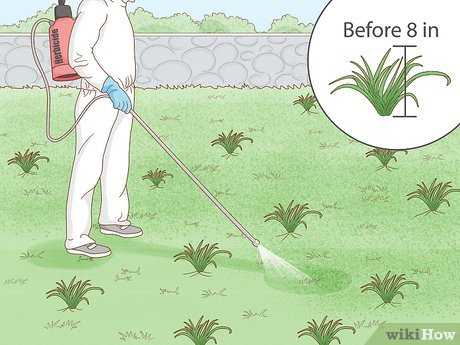
Apply herbicides during active weed growth, usually in spring or fall. Avoid applying on windy days to prevent drift onto desirable plants. Use a sprayer for even coverage and avoid over-application.
Natural and Organic Weed Control Solutions
Many homeowners prefer eco-friendly options to control weeds. Boiling water, vinegar, and organic compost teas can weaken weeds without chemicals. These methods are best for small weed patches.
Using Vinegar or Boiling Water
Pour vinegar directly onto weeds or carefully pour boiling water over them. These methods desiccate weeds, but repeated applications may be necessary for stubborn patches. Avoid contact with your ryegrass to prevent damage.
Mulching and Ground Cover Strategies
Applying a layer of mulch around your ryegrass helps block sunlight from reaching weed seeds. Organic mulches like wood chips or straw are good options. Ground covers like clover or creeping thyme can also fill in bare spots, reducing weed opportunity.
Addressing Soil Health for Long-Term Weed Prevention
Healthy soil promotes strong ryegrass growth, making it harder for weeds to take hold. Regularly test your soil and amend it with organic matter or fertilizers as needed. Proper pH levels and nutrient balance encourage dense turf growth.
Soil Testing and Amendments
Use a soil testing kit to evaluate pH and nutrient levels. Adjust the pH with lime or sulfur to maintain optimal conditions for ryegrass. Improve soil structure with compost to enhance water retention and root development.
Seeding and Overseeding to Dense the Lawn
Overseeding bare patches helps establish thicker ryegrass coverage, which naturally crowds out weeds. Choose high-quality, weed-free seed for best results. Proper watering and fertilization support healthy seedling growth.
Timing for Overseeding
Late summer or early fall is ideal for overseeding ryegrass. Ensure soil is moist and temperatures are suitable for germination. Keep the area well-watered until new grass is established.
Monitoring and Maintaining Your Lawn
Regularly inspect your lawn for developing weeds. Early detection allows easy removal before they spread. Maintain consistent care to keep your ryegrass healthy and resistant to weed invasion.
Seasonal Lawn Care Tasks
In spring, clean up debris and aerate your lawn. In summer, water deeply and manage pests. In fall, fertilize and overseed. Proper seasonal practices prevent weeds from gaining a foothold.
Controlling weeds in ryegrass requires a combination of prevention, manual removal, proper herbicide use, and natural methods. Maintaining lawn health through good practices and timely interventions keeps weeds at bay. Each method complements the other, helping you achieve a lush, weed-free ryegrass lawn that enhances your outdoor space.
How to Get Rid of Annual Ryegrass [Weed Management]
Frequently Asked Questions
What are effective methods to prevent weed growth in ryegrass lawns?
Implementing proper lawn maintenance practices is key to preventing weeds. Regular mowing keeps the grass healthy and dense, reducing space for weeds to establish. Ensure you water deeply but infrequently to encourage strong root development. Also, fertilize appropriately to promote vigorous ryegrass growth. Aerating the soil helps improve nutrient uptake and discourages weed seeds from taking hold. Consistent lawn care creates an environment where weeds struggle to compete with healthy ryegrass.
How can I safely remove weeds without damaging my ryegrass?
Manual removal offers a safe way to eliminate weeds without harming your ryegrass. Use a weeding tool or your hands to carefully pull weeds out, ensuring you remove the roots entirely. For stubborn weeds, apply a targeted spot treatment with a selective herbicide designed for use on turfgrass. Always follow the manufacturer’s instructions to avoid damaging your lawn. Combining manual removal with selective herbicide application helps control weeds effectively while preserving the health of your ryegrass.
Which herbicides are suitable for controlling weeds in ryegrass, and how should I apply them?
Select herbicides labeled for use on ryegrass lawns and designed to target specific weed types. Read the product instructions thoroughly before application. Use a spray bottle or a calibrated sprayer for precise application, and avoid overlapping to prevent overuse. Apply herbicides when weeds are actively growing, typically during the cooler parts of the day, to maximize effectiveness. Be cautious to avoid overspray onto desirable grass areas, and always water the lawn after treatment if recommended to help the herbicide penetrate the soil.
What are some natural methods to control weeds in ryegrass without chemicals?
Mulching can suppress weed growth by blocking sunlight and preventing weed seeds from germinating. Planting dense ground cover or overseeding your ryegrass helps crowd out weeds naturally. Regularly hand-pulling weeds as they appear prevents them from spreading. Additionally, maintaining proper watering and fertilization strengthens your ryegrass, making it more resilient against weed invasion. Using these natural methods reduces reliance on chemicals and supports a healthy, weed-resistant lawn.
When is the best time to treat weeds in ryegrass to ensure quick eradication?
The ideal time to control weeds is during their active growth phase, typically in spring and early summer. Applying treatments when weeds are young and actively growing ensures better absorption and quicker results. Avoid treating during extreme heat or drought conditions, which can stress your ryegrass and reduce treatment effectiveness. Monitoring weed growth and acting early helps prevent them from setting seed and spreading further across your lawn.
Final Thoughts
To get rid of weeds in ryegrass, start by identifying the weed type to choose the appropriate control method. Manual removal works well for small patches, while herbicides are effective for larger infestations. Apply selective herbicides during the active growing season to target weeds without harming the ryegrass. Regular maintenance and proper fertilization strengthen your lawn’s resistance. Consistent care and timely treatment keep weeds at bay and promote healthy ryegrass growth. Overall, proper techniques and early intervention are key to getting rid of weeds in ryegrass efficiently.