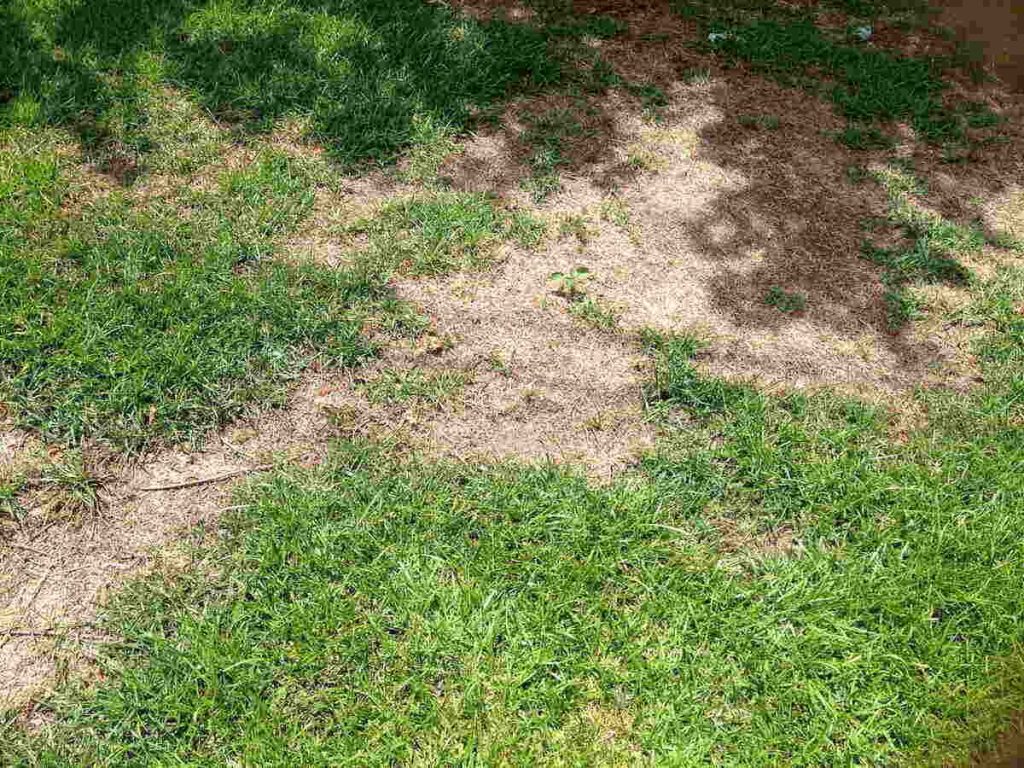
If you’re struggling with summer patch, a common lawn disease that creates unsightly brown patches, you’re not alone. The good news is that there are effective ways to tackle this issue and restore the health of your lawn. To get rid of summer patch, start by improving your lawn’s aeration and ensuring proper watering—aim for deep, infrequent watering to encourage deeper roots. Additionally, applying a fungicide can help eliminate the fungal spores responsible for the patches. Regularly mowing your lawn at the right height and maintaining proper nutrition through fertilization can also make a significant difference. With the right approach, you can reclaim your vibrant green lawn and enjoy a beautiful outdoor space all summer long.

How To Get Rid Of Summer Patch
Summer Patch is a common lawn disease that can turn your lush green grass into patches of brown and wilted turf. Understanding how to identify, treat, and prevent this ailment can help you maintain a healthy lawn.
What is Summer Patch?
Summer Patch is primarily caused by the fungus *Magnaporthe poae*. This disease thrives in warm, humid conditions, particularly in late spring and summer. Lawn grasses, especially Kentucky bluegrass, are particularly susceptible.
Summer Patch symptoms typically include circular patches of grass that appear brown and dead. Grass may look like it has been scorched by the sun. Identifying this disease early is crucial in managing its impact.
Signs and Symptoms of Summer Patch
Recognizing the signs of Summer Patch helps in early intervention. Common symptoms include:
- Brown circular patches of grass.
- Grass blades that appear wilted or scorched.
- Areas that seem to dry out faster than surrounding grass.
In severe cases, patches can grow together, leading to larger dead areas. Regular inspections of your lawn can help catch these signs early.
Understanding Summer Patch Lifecycle
The lifecycle of the fungus involves several stages:
1. **Infection**: The fungus infects the grass when conditions are warm and humid.
2. **Colonization**: After infection, the fungus thrives and spreads.
3. **Symptoms**: As the fungus damages the grass, brown patches appear.
Understanding this lifecycle can help you make targeted treatments more effective.
Conditions Favoring Summer Patch Growth
Certain environmental factors can increase the likelihood of Summer Patch growth. These include:
- Warm temperatures (between 70°F and 90°F).
- High humidity levels.
- Poor drainage and compacted soil.
Maintaining proper lawn care can help mitigate these conditions.
Preventing Summer Patch
Prevention is key to avoiding Summer Patch. Here are some effective strategies:
1. Soil Aeration
Aerating your soil helps improve drainage and allows air to reach the grassroots. This can reduce compacted areas, making it harder for the fungus to thrive.
2. Proper Watering Practices
Water your lawn deeply but infrequently. This encourages deep root growth. Aim for early morning watering to reduce moisture overnight, which can foster disease.
3. Fertilization
Using a balanced fertilizer supports healthy grass growth. Be careful not to over-fertilize, as this can promote rapid growth, making grass more susceptible to disease.
Treating Summer Patch
If you’ve noticed Summer Patch in your lawn, prompt treatment is essential. Here are effective treatment methods:
1. Fungicides
Using fungicides is a primary treatment method. Look for products specifically labeled for Summer Patch. Always follow the manufacturer’s instructions for application.
2. Reseeding
Infected areas may require reseeding. Choose resistant grass varieties that are less likely to fall prey to Summer Patch.
3. Improve Lawn Care Practices
Enhancing your overall lawn care can help the grass recover. This includes:
- Regular mowing to recommended heights.
- Maintaining healthy soil pH levels.
- Aerating and dethatching as needed.
Long-Term Solutions for Summer Patch
In addition to immediate treatment, consider these long-term solutions to keep your lawn healthy.
1. Grass Selection
Choose grass varieties that are resistant to Summer Patch. Mixing different types of grass can also improve resilience against diseases.
2. Regular Lawn Inspections
Inspect your lawn regularly for any signs of disease. Prompt action can help prevent a small problem from becoming a larger one.
3. Seasonal Care Practices
During the warmer months, implement care practices that reduce the risk of Summer Patch. These can include:
- Ensuring proper drainage.
- Maintaining a consistent mowing schedule.
When to Seek Professional Help
If your lawn shows persistent symptoms despite your best efforts, it may be time to consult a professional. Lawn care experts can provide targeted treatments and advice based on your specific conditions.
DIY Lawn Repair for Summer Patch
If you prefer a DIY approach, here are steps for repairing your lawn:
1. Assess the Damage
Examine the affected areas and determine how much grass has been lost. This will help you know how much reseeding is necessary.
2. Remove Damaged Grass
Use a rake or your hands to pull out dead grass. Clearing these areas allows new grass to grow without competition.
3. Reseed and Fertilize
Spread a quality grass seed mix over the bare spots, and follow with a light layer of fertilizer. Water the area gently but thoroughly to promote germination.
The Role of Climate in Summer Patch
Climate plays a significant role in the emergence and severity of Summer Patch. Warmer climates with high humidity are more likely to see outbreaks.
Understanding local weather patterns can help you prepare. For example, if a hot, humid summer is expected, take proactive measures to protect your lawn.
Healthy Lawn Practices Moving Forward
To maintain a thriving lawn, implement these best practices:
- Regular mowing and not removing more than one-third of the grass height at a time.
- Routine aeration to improve soil health.
- Consistent watering schedules, adjusted for seasonal changes.
Maintaining a healthy lawn is not just a one-time effort but requires ongoing attention and care.
In summary, dealing with Summer Patch involves a mix of prevention, treatment, and continued care strategies. By understanding the disease, recognizing its signs, and implementing effective management practices, you can keep your lawn looking its best. Remember that a healthy lawn is always the best defense against diseases like Summer Patch. Regular maintenance and prompt action make a significant difference in achieving a beautiful, vibrant lawn.
Ultimately, staying vigilant and informed will lead to success in overcoming Summer Patch and maintaining a healthy grass landscape.
How to Control Summer Patch (4 Easy Steps)
Frequently Asked Questions
What symptoms indicate the presence of Summer Patch?
Symptoms of Summer Patch typically include circular patches of yellow or brown grass in your lawn, often surrounded by healthy green grass. The grass in these patches may feel soft and mushy. You might also notice a decline in grass health, particularly during warm and humid weather. Early detection is crucial to managing this issue effectively.
What preventative measures can I take to avoid Summer Patch?
To prevent Summer Patch, maintain a healthy lawn by ensuring proper mowing, fertilization, and watering practices. Keep your lawn mowed at the appropriate height, avoid overwatering, and aerate your lawn to improve drainage. Additionally, consider using resistant grass varieties that are less susceptible to fungal attacks.
How can I effectively treat Summer Patch once it’s present?
You can treat Summer Patch by applying a fungicide specifically designed for this type of disease. Ensure that you follow the manufacturer’s instructions for application rates and timing. In addition, improve lawn health through proper cultural practices, such as reducing thatch, improving drainage, and ensuring sufficient air circulation.
Is there a specific time of year when Summer Patch is most problematic?
Summer Patch usually becomes problematic during warm and humid weather, typically from late spring to early fall. The disease thrives in temperatures between 70°F and 85°F. Keeping an eye on weather conditions can help you anticipate and manage potential outbreaks.
Can I reseed affected areas immediately after treating Summer Patch?
It’s best to wait a few weeks after treating Summer Patch with fungicides before reseeding affected areas. This allows the treatment to be effective and gives new grass seedlings a better chance of establishing without competition or stress from the disease. Always follow specific recommendations on reseeding from your treatment product’s label.
Final Thoughts
To effectively tackle the issue of summer patch, start by maintaining a healthy lawn with regular watering and mowing. Applying fungicides can also help control the problem, especially if you notice patches early on. Ensure proper aeration and overseeding to improve grass resilience and prevent further outbreaks.
Overall, focusing on prevention and proper lawn care practices is key to successfully addressing how to get rid of summer patch and keeping your lawn vibrant. Regular maintenance and proactive measures will help you enjoy a lush and healthy garden throughout the summer months.