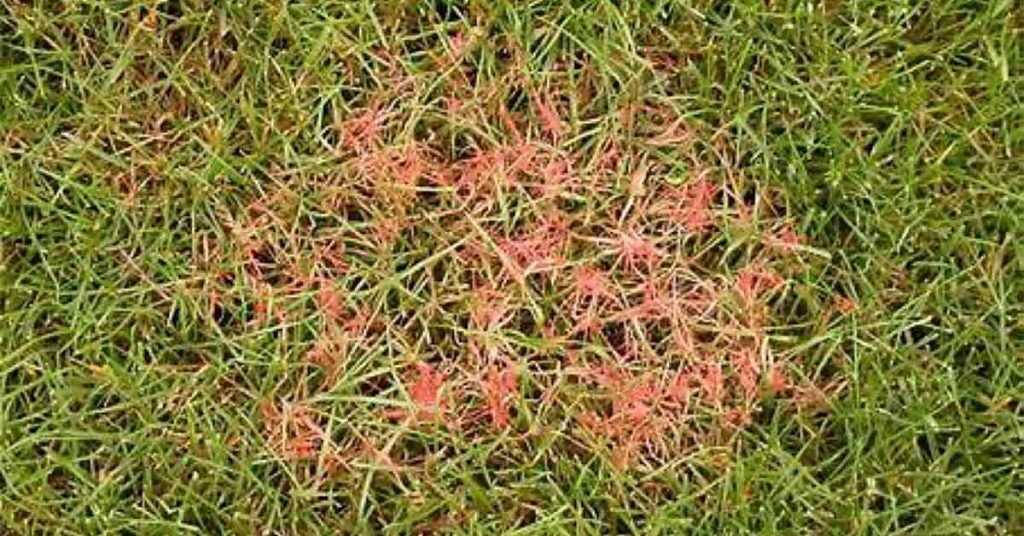
If you’re dealing with red thread in your lawn or garden, the good news is that there are effective ways to eliminate it. Quick solutions include improving your lawn care routine by ensuring proper watering, fertilization, and mowing practices. Red thread is a fungal disease that thrives in cool, moist conditions, often appearing as pink to reddish patches on grass. By increasing air circulation, avoiding overwatering, and applying a balanced fertilizer, you can help your grass recover and prevent further outbreaks. In this article, we’ll explore more in-depth strategies to rid your yard of this pesky problem and keep your grass healthy and vibrant throughout the seasons. Let’s dive into how you can tackle this issue head-on!

“`html
How To Get Rid Of Red Thread
Red thread is a turf disease that can make your lawn look less than stellar. It is caused by a fungus called Laetisaria fuciformis. Understanding how to get rid of red thread is essential for maintaining a healthy lawn. In this article, we will explore effective ways to deal with this nuisance and keep your grass looking its best.
Understanding Red Thread
Before tackling red thread, it’s important to understand what it is. Red thread typically appears as small, reddish-pink patches, often surrounded by a yellow halo. The disease thrives in cool, damp weather, making it more common during spring and fall.
This fungal disease primarily affects fine fescue and other cool-season grasses. However, it can also affect lawns with a mixture of different grass types. Identifying red thread early will help you take action before it spreads.
Signs of Red Thread Infection
Recognizing the signs of red thread is crucial for prompt treatment. Here are the common symptoms:
- Small, circular patches of grass that are lighter in color.
- Thin, wispy red or pink threads growing from the grass blades.
- Yellowing or browning of grass blades around the infected area.
If you notice these signs in your lawn, it’s time to act.
Causes of Red Thread
Understanding the causes of red thread can help you prevent it in the future. Here are some key factors:
- Excessive moisture in the soil.
- High nitrogen levels without enough other nutrients.
- Compacted soil that restricts airflow.
- Poorly drained areas in your lawn.
Addressing these underlying issues can help reduce the chances of red thread appearing.
Preventing Red Thread
Prevention is the best approach when it comes to red thread. Here are some steps to keep your lawn healthy:
- Maintain proper drainage to avoid standing water.
- Fertilize your lawn based on a soil test to ensure balanced nutrient levels.
- Ensure adequate air circulation by avoiding over-seeding and keeping grass at the right height.
- Water your lawn early in the day to reduce moisture at night.
Following these steps can help keep red thread at bay.
Treatment Options for Red Thread
If red thread has invaded your lawn, don’t worry. Here are some effective treatment options:
Cultural Control Methods
Cultural methods focus on managing your lawn practices. Consider these options:
- Increase mowing height to help grass withstand stress.
- Reseed affected areas with disease-resistant grass varieties.
- Avoid excessive watering, especially during cool, damp periods.
These changes can make your lawn less hospitable to the red thread fungus.
Fungicides
In severe cases, pesticides may be necessary. Here are some points to consider:
- Select fungicides specifically labeled for red thread.
- Follow the manufacturer’s instructions for application rates and timing.
- Apply fungicides in dry weather for better effectiveness.
Remember, fungicides are a short-term solution. It’s best to combine them with cultural controls for long-lasting effects.
Post-Treatment Care
After treating red thread, it’s essential to care for your lawn properly. Here are some care tips:
- Resume regular mowing to keep grass healthy and even.
- Water deeply but infrequently to encourage strong root growth.
- Continue to monitor for any signs of red thread recurring.
Taking care of your lawn after treatment will help it recover and thrive.
Common Myths About Red Thread
There are several myths surrounding red thread that can lead to confusion. Let’s debunk a few:
- Myth: Red thread is caused by over-fertilizing.
- Fact: While excess nitrogen can contribute, red thread is primarily a fungal issue.
- Myth: Once red thread appears, it cannot be eliminated.
- Fact: With the right treatment and care, you can manage and eliminate red thread.
Understanding these misconceptions can help you better manage red thread in your lawn.
Red thread can be a frustrating problem for many homeowners. Understanding its causes, symptoms, and treatment options is key to maintaining a healthy lawn. By taking preventive measures and acting quickly when you notice signs of infection, you can keep your grass beautiful and vibrant. A healthy lawn adds value to your home and enhances your outdoor experience. Don’t let red thread ruin your efforts—be proactive and enjoy a lush, green lawn!
“`
How To Fix Red Thread Disease On Your Lawn
Frequently Asked Questions
“`html
What are the signs of red thread disease in grass?
Signs of red thread disease include reddish or pinkish threads on the grass blades, which can appear during humid and warm conditions. Infected grass may also show patches of browning or thinning, particularly in areas where the moisture level is high and nutrients are low.
What steps can I take to prevent red thread in my lawn?
Preventing red thread involves maintaining proper lawn care practices. Ensure your lawn receives adequate nitrogen fertilization, which strengthens the grass and helps it resist diseases. Mow regularly and at the appropriate height to promote healthy growth. Additionally, improve airflow and drainage to reduce humidity around the grass.
Can I treat red thread with home remedies?
While chemical treatments are available, some home remedies may help reduce red thread severity. For example, applying a mixture of water and baking soda can help create a less favorable environment for the fungus. However, these remedies may not completely eliminate the disease and should be used in conjunction with proper lawn care practices.
Is red thread harmful to pets or children?
Red thread itself poses minimal risk to pets and children. The fungus primarily affects grass, not humans or animals. Nevertheless, it is wise to prevent ingestion of any grass, especially if it shows signs of disease, as it may indicate underlying health issues for the lawn.
When is the best time to address red thread issues in the lawn?
It’s best to address red thread issues during the active growing season, typically in late spring to early summer. This timing allows for effective treatment and encourages recovery when the grass can utilize nutrients and moisture more efficiently.
“`
Final Thoughts
To get rid of red thread, maintain healthy lawn practices. Regularly mowing and watering your grass promotes strong growth, which can outcompete the fungus causing red thread.
Applying a balanced fertilizer can also help provide essential nutrients to your lawn, reducing the risk of fungal infections.
Lastly, ensure proper air circulation by avoiding overcrowding in your garden. By following these steps, you can effectively manage and ultimately eliminate red thread from your yard. Remember, consistent care is key in how to get rid of red thread for good.