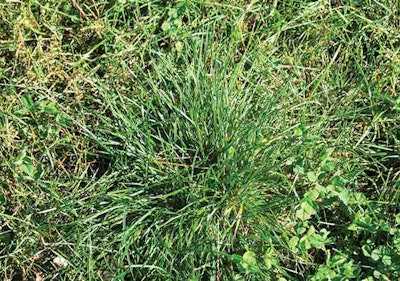
To effectively get rid of perennial ryegrass, focus on a combination of proper lawn management, persistent removal, and targeted herbicide treatment. Regular overseeding with a dense turf grass and improving drainage can prevent its spread, while spot-treating with selective herbicides will eliminate existing patches.
Perennial ryegrass can be a stubborn weed to control, but with consistent effort, it’s possible to restore your lawn’s natural beauty. The key is to prevent its reseeding, remove the existing plants carefully, and maintain a healthy, dense turf that outcompetes it. Understanding which methods work best for your specific situation can make all the difference in reclaiming your lawn from this resilient grass. With patience and persistence, you can effectively diminish perennial ryegrass and enjoy a lush, weed-free yard.

How to Get Rid of Perennial Ryegrass
Understanding Perennial Ryegrass and Why It’s a Problem
Perennial ryegrass is a common grass type that spreads quickly and can take over your lawn or garden. It’s known for its bright green color and fine texture, making it attractive but sometimes invasive. If you want a uniform, healthy lawn, getting rid of this grass may be necessary.
This grass tends to grow in lawns, sports fields, and parks, especially in cooler weather. Its fast growth and ability to produce numerous seeds make it a persistent challenge for homeowners. Understanding how it spreads helps in selecting effective removal strategies.
Identifying Perennial Ryegrass in Your Lawn
Before starting removal, correctly identifying perennial ryegrass is vital. It typically has narrow, shiny leaves with a smooth texture. The seed head is a fine, tapered seed spike that appears in spring or early summer.
Compare your grass with other common types, such as fescue or bluegrass, to ensure it’s ryegrass. Correct identification prevents unnecessary treatments and helps you choose the proper removal method.
Methods to Remove Perennial Ryegrass
Getting rid of perennial ryegrass requires a combination of strategies for effective control. Below are the most common methods:
Manual Removal and Cultural Practices
Start by manually removing patches of ryegrass using a garden fork or shovel. Digging out the grass roots prevents regrowth. Reseed or overseed your lawn with desirable grass types afterward.
Improve your lawn’s health with proper mowing, watering, and fertilizing to make it less inviting for ryegrass. A dense, healthy lawn naturally suppresses weed growth.
Herbicide Treatments
Selective herbicides target ryegrass without harming other grasses. Look for products containing **quinclorac** or **dicamba**, which are effective against grassy weeds.
Follow label instructions carefully. Apply herbicides during the grass’s active growth period, usually in early spring or fall. Reapply as needed for complete control.
Non-Chemical Control Options
If you prefer organic ways, consider smothering ryegrass with heavy mulch or plastic sheets. This method blocks sunlight and kills the grass over time.
Another option is using vinegar-based solutions. Apply a mixture of vinegar and water directly on the ryegrass. Be cautious as vinegar can also harm surrounding plants.
Controlling Perennial Ryegrass Long-Term
Removing ryegrass isn’t a one-time task. To prevent its return, maintain a healthy lawn that resists weed invasion.
Regular mowing at the correct height, proper watering practices, and fertilizing with appropriate nutrients help. Aeration can also improve soil health and make it less favorable for ryegrass.
Consider overseeding with drought-tolerant or native grasses to reduce open space where ryegrass can establish itself.
Preventive Measures to Keep Ryegrass Out
Prevention is key to avoiding re-infestation of perennial ryegrass. Use high-quality grass seed suited for your climate when establishing or reseeding your lawn.
Maintain a thick, vigorous lawn that crowds out weeds. Avoid overwatering, as ryegrass prefers moist conditions.
Practice good lawn care habits, such as aeration, dethatching, and regular fertilization, to keep your grass healthy and weed-resistant.
Addressing Soil Conditions Favoring Ryegrass
Perennial ryegrass thrives in specific soil environments. Test your soil to check pH levels and nutrient content. Ryegrass prefers slightly acidic to neutral soil with good drainage.
Amending soil with lime or organic matter can adjust pH and improve soil health. Proper drainage prevents waterlogging, which ryegrass favors.
Limit excess nitrogen fertilizers, which promote lush, rapid growth of ryegrass. Use slow-release fertilizers to maintain steady, healthy grass growth.
Using Cover Crops and Mulches to Suppress Ryegrass
Plantting ground covers such as clover or native grasses can help suppress ryegrass by competing for nutrients and space. These plants create a natural barrier, reducing ryegrass growth.
Applying mulch around garden beds and borders blocks sunlight and prevents ryegrass seeds from sprouting. Organic mulches like straw or wood chips are effective and eco-friendly options.
Integrating Lawn Maintenance for Ongoing Control
Consistently maintaining your lawn is essential for long-term control. Mow at the proper height to prevent ryegrass from establishing seed heads.
Water deeply but infrequently to encourage deep root growth of your desirable grasses. Regularly fertilize with balanced nutrients to strengthen your lawn.
Weed removal should be ongoing, with manual removal or spot treatments. This proactive approach minimizes ryegrass spread.
Related Topics for Better Lawn Management
Managing perennial ryegrass is part of overall lawn health. Consider topics like **soil testing**, **proper mowing techniques**, and **native grass planting** for a healthier landscape.
Controlling pests and diseases also supports weed suppression. Use integrated pest management strategies to keep your lawn vibrant and resilient.
Getting rid of perennial ryegrass involves understanding how it spreads, identifying it correctly, and using a mix of manual, chemical, and cultural control methods. Maintaining a healthy, dense lawn is crucial for preventing its return. By following these strategies consistently, you can restore and preserve the beauty of your yard, making it less hospitable for ryegrass and other invasive grasses.
Perennial Ryegrass Pros and Cons
Frequently Asked Questions
What cultural practices can help suppress perennial ryegrass growth?
Adjusting mowing height, improving soil fertility, and aerating the soil can make your lawn less favorable for perennial ryegrass. Raising the mower blade encourages thick turf growth, which naturally crowds out weed species. Fertilize appropriately to promote healthy grass that outcompetes ryegrass, and regularly aerate to improve water and nutrient absorption. These practices create an environment where perennial ryegrass struggles to establish and spread.
Are there specific herbicides effective against perennial ryegrass?
Selective herbicides containing mesotrione or fluazifop-p-butyl target perennial ryegrass without harming most turfgrass types. Always follow the product instructions carefully to avoid damage to your desired grass. Applying these herbicides during active growth periods enhances their effectiveness. Consider spot treatments for localized areas to minimize chemical use and protect the surrounding lawn.
How can I physically remove perennial ryegrass from my lawn?
Manual removal involves carefully digging out ryegrass clumps, ensuring you remove the roots to prevent regrowth. Use a hand tool or a garden fork for better leverage. After removing the ryegrass, fill the gaps with healthy turf or reseed the area. Consistent manual removal can help weaken the ryegrass population over time, especially when combined with other control methods.
What role does overseeding play in controlling perennial ryegrass?
Overseeding your lawn with dense, competitive grass varieties can help choke out perennial ryegrass. Choose hardy, fast-growing grass seeds that establish quickly and crowd out weeds. Regular overseeding maintains a dense turf, making it harder for ryegrass to invade and spread. This approach promotes a healthier, more resilient lawn over time.
Should I consider soil modification to control perennial ryegrass?
Yes, adjusting soil conditions can inhibit ryegrass growth. Perennial ryegrass prefers well-drained, nutrient-rich soils. If your soil is overly fertile, reducing fertilizer inputs can limit its dominance. Improving drainage and slightly lowering soil pH may also discourage ryegrass establishment. Conduct a soil test to determine specific modifications needed for your lawn.
Final Thoughts
To get rid of perennial ryegrass, start by regularly removing it manually or using specific herbicides designed for broadleaf weeds. Improve your lawn’s health by overseeding with species like fescue or Bermuda grass to outcompete the ryegrass. Adjust your watering and fertilizing routines to favor your desired grass type and discourage ryegrass growth. Consistent maintenance prevents it from spreading and ensures a lush, healthy lawn. Removing perennial ryegrass requires patience and persistent effort, but these steps will gradually eliminate it and restore your lawn’s natural beauty.