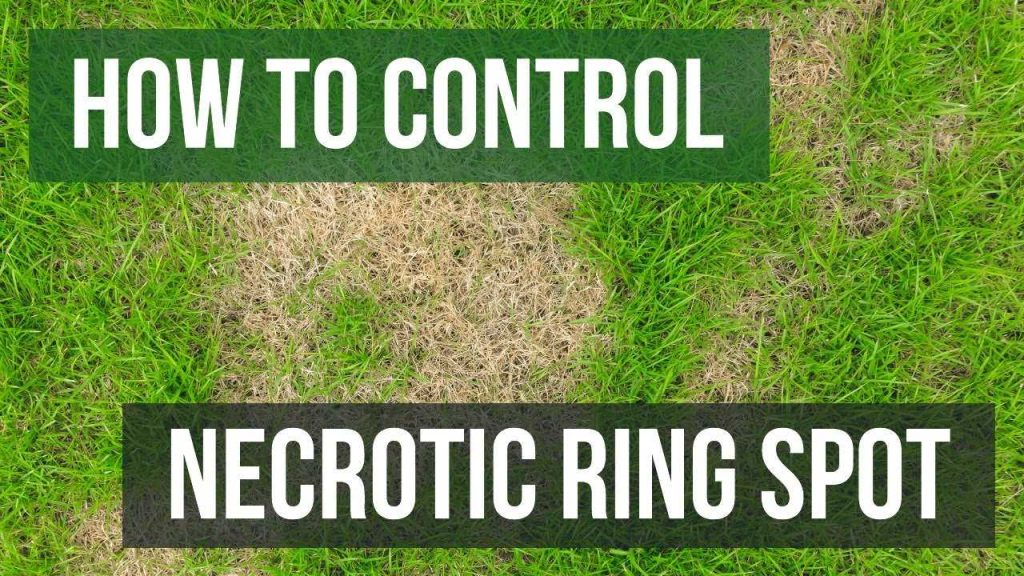
If you’re dealing with Necrotic Ring Spot on your lawn, the quickest way to tackle it is to ensure proper lawn care practices, including aeration, regular mowing, and applying fungicides as needed. Now, let’s dive deeper into this frustrating lawn issue. Necrotic Ring Spot is a common turf disease that can make your lawn look patchy and uninviting. Caused by a fungal pathogen, it typically manifests as circular, brown patches in your grass, which can be alarming for homeowners who take pride in their outdoor spaces. Fortunately, you can reclaim your lawn’s beauty with the right approach. By understanding the causes and implementing effective treatments, you can get rid of this pesky problem and enjoy a lush, green yard once again.

How To Get Rid Of Necrotic Ring Spot
Necrotic Ring Spot (NRS) is a common turfgrass disease that can be quite frustrating for homeowners and lawn care enthusiasts. It often manifests as circular patches of dead grass with a characteristic dark ring surrounding them. Understanding how to manage and eliminate this disease is essential for maintaining a healthy lawn. In this article, we will explore effective methods to get rid of Necrotic Ring Spot and provide valuable tips to prevent it from returning.
Identifying Necrotic Ring Spot
Before you can effectively treat Necrotic Ring Spot, it’s important to identify it correctly.
- Appearance: NRS typically presents as circular patches of dead or dying grass.
- Color Change: The grass in the center of these patches often turns brown, while the outer ring may appear green.
- Size: Patches can range from a few inches to several feet in diameter.
- Seasonality: This disease is most common during warm, humid weather.
Being able to identify NRS is the first step to treatment.
Causes of Necrotic Ring Spot
Understanding the causes of NRS can help you prevent its occurrence.
- Soil Compaction: Compacted soil can limit root growth and exacerbate the disease.
- Improper Watering: Overwatering or underwatering can stress the grass and lead to disease.
- Nutrient Imbalances: A lack of essential nutrients can weaken turf health.
- Environmental Factors: High humidity and warm temperatures create ideal conditions for NRS.
Addressing these underlying issues is crucial for effective management of the disease.
Treatment Options for Necrotic Ring Spot
When dealing with NRS, several treatment options can help restore your lawn’s health.
Cultural Practices
Cultural practices focus on improving the overall condition of your lawn.
- Improve Drainage: Ensure proper drainage to prevent water accumulation, which can promote NRS.
- Adjust Watering Schedule: Water early in the day and provide deep soaking to encourage strong root growth.
- Aeration: Aerate your lawn annually to relieve soil compaction and help the roots breathe.
- Fertilization: Apply a balanced fertilizer to promote healthy grass growth.
Implementing these practices can create a healthier environment for your lawn.
Chemical Treatments
In some cases, chemical treatments might be necessary to combat NRS.
- Fungicides: Specific fungicides can target the pathogens causing necrotic ring spot.
- Application Timing: Apply treatments during the early stages of the disease for maximum effectiveness.
- Follow Instructions: Always follow the manufacturer’s instructions when applying chemical treatments.
While chemical treatments can be effective, they should be used as a last resort.
Preventing Necrotic Ring Spot
Preventing NRS is much easier than treating it once it appears.
Maintain Healthy Soil
Building a strong foundation for your lawn can prevent NRS.
- Regular Testing: Test your soil annually to know its pH and nutrient levels.
- Amend as Needed: Add organic matter to improve soil structure and nutrient content.
Healthy soil supports robust grass growth and reduces the risk of disease.
Proper Mowing Techniques
How you mow your lawn can impact its health.
- Sharp Blades: Always use sharp mower blades to make clean cuts.
- Height Matters: Mow at the recommended height for your grass type to encourage deep roots.
- Vary Mowing Patterns: Changing your mowing pattern can reduce soil compaction.
Good mowing practices can promote a stronger and healthier lawn.
Water Management
Effective water management is crucial in preventing NRS.
- Watering Schedule: Water deeply and less frequently to encourage deep root growth.
- Check Soil Moisture: Use a moisture meter to determine when to water.
Water management can help maintain a vigorous lawn.
Recognizing and Reacting to Signs of NRS
Being vigilant about your lawn’s health is essential.
- Daily Inspection: Take a few minutes each day to inspect your lawn.
- Immediate Action: If you spot signs of NRS, take immediate action to treat it.
Quick responses can minimize damage to your lawn.
Long-Term Lawn Care Strategies
Incorporating long-term strategies can help prevent NRS in the future.
- Regular Maintenance: Keep a consistent lawn care schedule that includes mowing, watering, and fertilizing.
- Seasonal Adjustments: Adjust your lawn care practices according to seasonal changes.
- Healthy Grass Choices: Choose grass varieties that are resistant to diseases and suited for your climate.
A proactive approach benefits your lawn in the long run.
When to Seek Professional Help
Sometimes, dealing with NRS can be overwhelming.
- Persistent Problems: If you cannot control the spread of NRS, consult a lawn care professional.
- Comprehensive Analysis: Professionals can provide a thorough analysis and tailored solutions.
Knowing when to seek help can save time and resources.
Managing Necrotic Ring Spot requires a comprehensive understanding and proactive measures. By applying the right cultural practices, utilizing chemical treatments when necessary, and maintaining an ongoing care routine, you can effectively combat this frustrating lawn disease. Always remember that prevention is key. Taking care of your lawn by ensuring healthy soil, proper watering, and appropriate mowing will provide a strong defense against NRS, allowing you to enjoy a beautiful, vibrant landscape for years to come.
How to Cure Necrotic Ring Spot Fungus – Stop the Cause of the Problem vs Treating the Symptoms
Frequently Asked Questions
“`html
What are the symptoms of necrotic ring spot?
Necrotic ring spot displays several noticeable symptoms, including circular patches of brown or dead grass that appear in your lawn. The rings often have a darker outer edge and may vary in size. Grass in these areas may feel dry and brittle, indicating damage to the turf.
How does necrotic ring spot affect the overall health of my lawn?
This condition can significantly impact your lawn’s health by reducing its aesthetic appeal and vitality. The affected areas can expand if left untreated, leading to more extensive damage and potentially requiring more aggressive measures to restore the turf.
What preventative measures can I take against necrotic ring spot?
To prevent necrotic ring spot, maintain proper lawn care practices. Regularly aerate your lawn, ensure adequate drainage, and follow a balanced fertilization schedule. Also, mow your grass to the appropriate height and avoid over-watering, as excess moisture can contribute to the development of this disease.
Can I treat necrotic ring spot with home remedies?
Yes, certain home remedies can help manage necrotic ring spot. You can try applying a mixture of water and vinegar to the affected areas. Additionally, a baking soda and water solution may help reduce fungal growth. However, monitor your lawn’s response and consult with a professional if the condition persists.
When is the best time to address necrotic ring spot?
Address necrotic ring spot promptly when you first notice symptoms. Early intervention during the growing season, particularly in spring or early summer, can help minimize damage and promote recovery. Regularly inspect your lawn, especially after heavy rain or extended periods of high humidity.
“`
Final Thoughts
To effectively tackle necrotic ring spot, start by improving your lawn’s health through proper watering and fertilization. Regular mowing also helps to prevent the disease from spreading.
Using fungicides can provide immediate relief, but ensure you follow the instructions diligently for the best results. Additionally, aeration and overseeding strengthen the grass and help it recover.
Maintaining good lawn practices and monitoring for early signs of necrotic ring spot will aid your efforts. By implementing these strategies, you can successfully manage and ultimately get rid of necrotic ring spot.