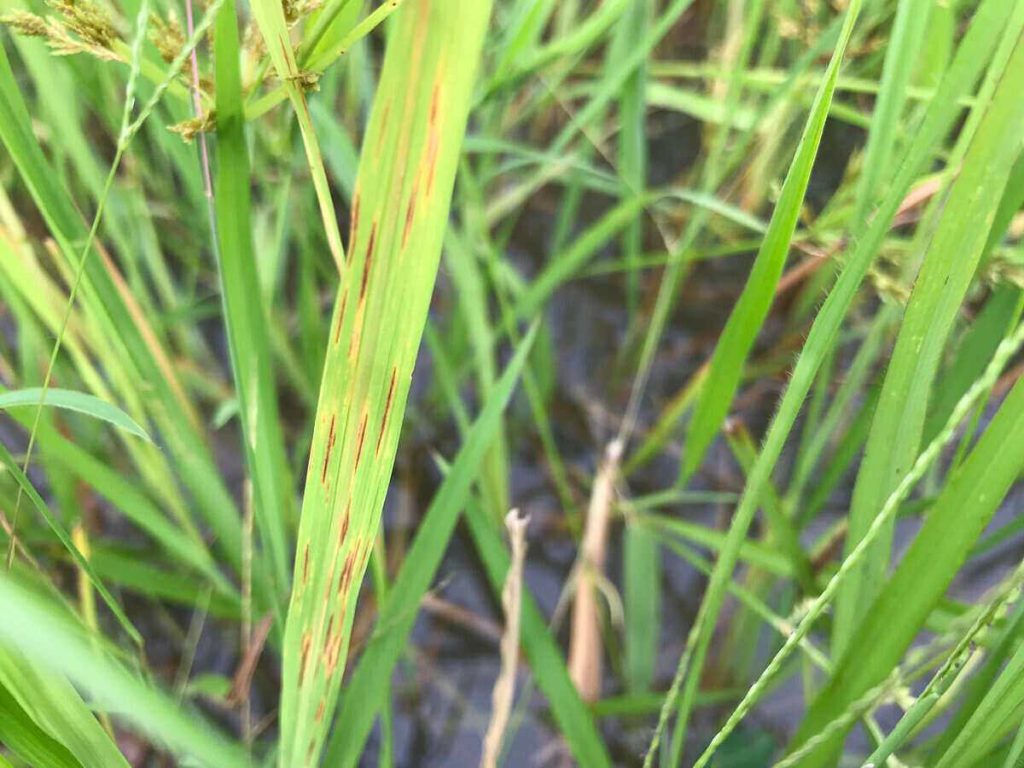
To tackle leaf spot and melting out effectively, start by removing any affected leaves to prevent further spread of the disease. Ensure proper air circulation, avoid overhead watering, and consider applying a fungicide if the problem persists.
Dealing with leaf spot and melting out can be a frustrating experience for any gardener. These common plant issues, often caused by fungal infections, can lead to unsightly spots and wilting leaves, impacting your plants’ health and appearance. The good news is that with a few proactive measures, you can manage and prevent these problems. From maintaining clean garden practices to choosing resistant plant varieties, there are several strategies to keep your plants thriving. Let’s explore the steps you can take to get your foliage back to its lush, green glory.

How To Get Rid Of Leaf Spot And Melting Out
Leaf spot and melting out are common problems that many gardeners face. These diseases can affect various plants, leaving unsightly spots on foliage and even leading to plant death if not addressed. Fortunately, there are several methods to combat these issues and help your plants thrive. Let’s delve into effective strategies for dealing with leaf spot and melting out.
Understanding Leaf Spot and Melting Out
To effectively tackle these diseases, it is essential to understand what they are. Leaf spots are typically caused by fungal, bacterial, or environmental factors. They appear as dark, water-soaked spots on leaves. Melting out, on the other hand, often refers to a more severe situation where entire sections of leaves wilt and die.
Both conditions can be detrimental to a plant’s health. Recognizing the signs early can greatly improve your chances of saving your plants.
Identifying The Causes
Identifying the cause of leaf spot and melting out is crucial for treatment. Several factors can contribute to these issues:
- Fungal Infections: Fungi like *Alternaria* and *Bipolaris* are commonly responsible for leaf spots.
- Bacterial Infections: Conditions like bacteria blight can lead to leaf spots with a distinct appearance.
- Environmental Stress: High humidity, poor air circulation, and excess moisture can foster disease development.
By understanding the underlying causes, you can choose the best method for prevention and treatment.
Preventive Measures
Prevention is always better than cure. Here are some effective ways to keep leaf spot and melting out at bay:
Choose Resistant Varieties
Selecting resistant plant varieties can make a significant difference. Some plants are bred to withstand specific diseases. When shopping for new plants, check labels for disease resistance.
Practice Good Hygiene
Maintain cleanliness in your garden. Here’s how to do it:
- Remove fallen leaves and debris.
- Clean gardening tools regularly to prevent disease spread.
- Ensure proper spacing between plants to enhance air circulation.
Water Wisely
Watering practices can influence the development of leaf spot and melting out. Use these tips for effective watering:
- Water in the morning to allow foliage to dry throughout the day.
- Avoid overhead watering whenever possible.
- Use drip irrigation to keep leaves dry.
Treatment Options for Leaf Spot
If you notice leaf spots, it’s important to act quickly. Here are some effective treatments:
Fungicides
Applying fungicides can be an effective way to control fungal leaf spots. Look for products that target specific diseases such as those caused by *Alternaria* or *Bipolaris*. Always follow the manufacturer’s instructions for application rates and timing.
Homemade Remedies
In addition to commercial products, homemade remedies can also help. Consider these options:
- Baking Soda Spray: Mix one tablespoon of baking soda with a gallon of water and spray on affected leaves.
- Neem Oil: This natural pesticide can help control various fungal and bacterial infections.
Dealing with Melting Out
Melting out can be particularly alarming, as it often signifies severe distress in plants. Here’s how to address this issue:
Remove Affected Leaves
Start by removing any severely affected leaves. This helps to prevent the spread of the disease to healthy parts of the plant. Make sure to dispose of them properly instead of composting.
Improve Air Circulation
Boosting air circulation around your plants can help reduce humidity levels. This can be done by:
- Pruning dense foliage to allow light and air to reach all parts of the plant.
- Rearranging plants to create more space between them.
Soil Management
Soil conditions can contribute to melting out. Ensure the soil drains well to prevent waterlogging. This is crucial because excess moisture can exacerbate fungal diseases. Consider using raised beds if drainage is an issue.
Regular Monitoring
One of the best ways to manage leaf spot and melting out is through regular monitoring. Check your plants frequently for any signs of distress.
Look for Early Symptoms
The earlier you catch symptoms, the easier it will be to manage them. Symptoms to look for include:
- Discoloration of leaves.
- Wilting or drooping of foliage.
- Unusual spots or patches on leaves.
Keep a Garden Journal
Consider keeping a journal to track conditions in your garden. Note any changes, patterns in disease occurrences, and actions taken. This can help you identify what works best for your plants over time.
Using Resistant Varieties
As mentioned earlier, planting disease-resistant varieties can mitigate these issues significantly. When shopping for plants, prioritize those known for their resilience to leaf spot and melting out.
Research Suitable Options
Take the time to research which plants are resistant to these diseases. Many resources, such as local agricultural extensions or garden centers, can offer valuable insights.
Final Tips for Success
In addition to the methods outlined above, keep these final tips in mind for maintaining healthy plants:
Rotate Crops
Crop rotation can be beneficial, especially if you notice recurring problems with certain plants. This practice helps prevent diseases from building up in the soil.
Consider Soil Amendments
Amending your soil can improve its health, making plants more resilient to diseases. You might incorporate organic matter, such as compost, to enhance soil structure and fertility.
Educate Yourself
Stay informed about plant care. Understanding the unique needs of your plants can help you better prevent and manage issues like leaf spot and melting out.
Leaf spot and melting out may pose a challenge to every gardener, but with careful attention, preventative measures, and prompt action, you can ensure that your plants remain healthy and vibrant. Make sure to apply these strategies consistently to see the best results in your gardening efforts.
How to Control Leaf Spot and Melting Out (4 Easy Steps)
Frequently Asked Questions
“`html
What are the common causes of leaf spot and melting out?
Leaf spot and melting out often result from environmental stressors, such as excessive moisture, poor drainage, and overcrowding of plants. Fungal infections and bacterial pathogens can also contribute to these issues. Understanding the specific cause helps in effectively treating and preventing further damage.
How can I prevent leaf spot and melting out in my garden?
Preventing leaf spot and melting out involves practicing good garden hygiene. Ensure proper spacing between plants to improve air circulation, water your plants early in the day to reduce moisture on leaves, and apply mulch to maintain soil moisture without saturating it. Regularly inspect your plants for signs of disease and remove affected foliage promptly.
What treatments are effective for managing leaf spot and melting out?
To manage leaf spot and melting out, consider using fungicides specifically formulated for the type of fungus affecting your plants. Organic options, such as neem oil or baking soda solutions, can also be effective. Ensure to follow the product instructions carefully for the best results. Additionally, removing and disposing of infected leaves helps prevent the spread of disease.
Is it safe to use homemade remedies for leaf spot and melting out?
Many gardeners find success with homemade remedies for treating leaf spot and melting out. Common solutions include mixtures of water and baking soda, or diluted neem oil. Always test these remedies on a small area first to check for any adverse reactions. Homemade solutions can be a natural and cost-effective way to manage plant health.
When should I seek professional help for leaf spot and melting out?
If you notice persistent leaf spot and melting out despite your efforts, or if the problem worsens rapidly, consider consulting a local horticulturist or extension service. They can provide a more accurate diagnosis and suggest tailored treatment options based on your specific situation.
“`
Final Thoughts
To effectively manage leaf spot and melting out, start by ensuring proper air circulation around plants through adequate spacing and pruning. Regularly remove and dispose of infected leaves to reduce the spread of disease.
Implementing a consistent watering routine helps prevent excess moisture, which fosters fungal growth. Using fungicides can also provide relief, especially during severe infections.
Understanding ‘How To Get Rid Of Leaf Spot And Melting Out’ is essential for maintaining healthy plants. Regular monitoring and prompt action will keep your garden thriving and free from these issues.