If you’re looking to get rid of lawn gnats in Australia, the quickest solution is to improve the drainage of your soil and reduce excess moisture. These pesky insects thrive in wet environments, so allowing your lawn to dry out between watering can make a big difference. Additionally, using insecticidal soap or neem oil can help eliminate their larvae without harming your garden. Now, let’s dive deeper into understanding these troublesome gnats and explore effective strategies for controlling their population in your yard.
Lawn gnats, also known as fungus gnats, can turn your outdoor space into a frustrating battleground. They lay their eggs in moist soil, and before you know it, you have a swarm on your hands. Whether you’re dealing with potted plants, turf, or garden beds, these annoying pests can be a real nuisance. Thankfully, there are several methods you can employ to manage and eliminate lawn gnats, ensuring your outdoor area remains enjoyable and healthy. From adjusting your watering habits to using natural remedies, let’s explore the best ways to reclaim your lawn from these unwelcome guests.

How to Get Rid of Lawn Gnats Australia
Lawn gnats can be a pesky problem for many Australian homeowners. These tiny insects love damp, warm conditions and can quickly become a nuisance, buzzing around your outdoor space. If you are tired of swatting them away every time you step outside, it is time to learn how to get rid of them effectively.
Understanding Lawn Gnats
Before we dive into solutions, it’s essential to understand what lawn gnats are. They are small, flying insects that thrive in moist environments typically found in gardens and lawns.
– **Appearance**: They are usually gray or black and have long legs and wings.
– **Behavior**: Lawn gnats are attracted to standing water and decaying plant material.
– **Life Cycle**: Their life cycle consists of eggs, larvae, pupae, and adults, which can make eradication challenging.
Understanding their life cycle helps you identify the best strategies to combat them.
Identify the Problem Areas
The first step in effectively controlling lawn gnats is identifying where they are most prevalent.
- Wet Areas: Look for puddles or wet soil.
- Organic Matter: Check for decaying leaves or grass.
- Shade: Gnats prefer shaded environments.
Once you have pinpointed the problem areas, you can begin to implement strategies to eliminate the breeding grounds.
Improve Lawn Drainage
One of the most effective ways to deter lawn gnats is to improve drainage in your yard.
– **Aeration**: Aerating your lawn helps improve water flow and reduces standing water.
– **French Drains**: Consider installing French drains in areas where water tends to pool.
– **Soil Amendments**: Adding sand or organic matter can improve soil drainage.
Maintaining proper drainage can significantly reduce the moist environments where lawn gnats thrive.
Reduce Moisture Levels
Since lawn gnats love moist conditions, lowering moisture levels in your yard is vital.
– **Watering Schedule**: Adjust your watering schedule to allow the soil to dry out between watering sessions.
– **Mulching**: Use mulch to retain moisture in the soil while reducing the surface dampness that attracts gnats.
– **Drying Out Debris**: Clean up any organic debris that retains moisture, such as piles of leaves or grass clippings.
Taking these steps can create an environment less attractive to lawn gnats.
Natural Repellents
Natural repellents are a fantastic way to deter lawn gnats without harsh chemicals. Here are some effective options:
– **Essential Oils**: Oils like citronella, eucalyptus, and peppermint can repel gnats when diluted in water and sprayed in affected areas.
– **Neem Oil**: This natural insecticide effectively reduces gnat populations.
– **Garlic Spray**: A mixture of garlic and water can deter gnats when sprayed on plants.
Using natural repellents can keep your garden healthy while minimizing nuisance pests.
Trap and Capture Techniques
Trapping lawn gnats can help reduce their numbers effectively. Here are some methods you can try:
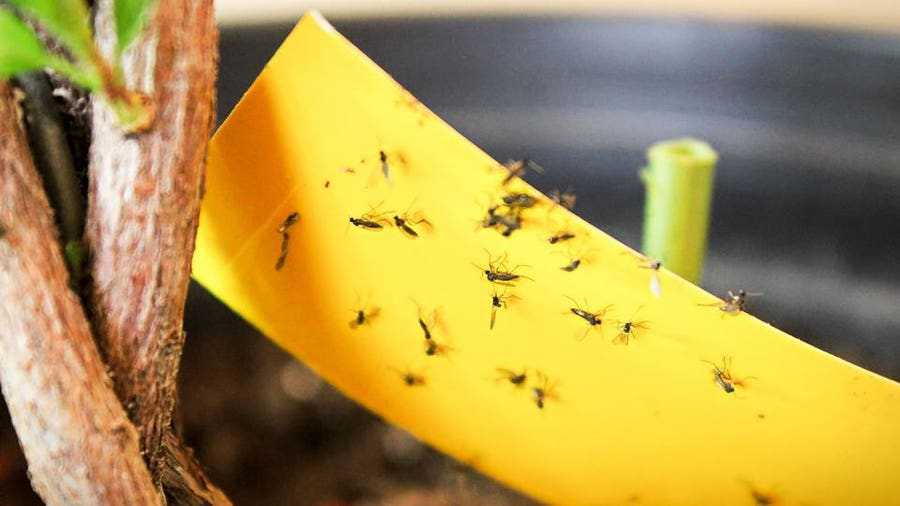
– **Sticky Traps**: Place yellow sticky traps near problem areas to catch adult gnats.
– **Apple Cider Vinegar Trap**: A bowl of apple cider vinegar covered with plastic wrap and small holes can attract and trap gnats effectively.
– **Dish Soap and Water**: A mixture of dish soap and water can catch gnats when placed in an open container.
These traps can help you monitor and control the gnat population in your yard.
Chemical Solutions
If natural methods do not yield results, you can consider chemical solutions. Use them as a last resort and always follow label instructions:
– **Insecticides**: Look for insecticides specifically designed for lawn gnats.
– **Foggers**: If there is a significant infestation, a fogger can provide quick relief.
– **Diatomaceous Earth**: This organic powder can be sprinkled in areas where gnats are seen and works by dehydrating insects.
Always take care to avoid harming beneficial insects when applying chemicals.
Maintain Regular Yard Maintenance
Regular yard maintenance can prevent lawn gnats from becoming a recurring problem.
– **Mowing**: Keep the grass trimmed to reduce hiding places.
– **Debris Removal**: Regularly clean up leaves and other organic debris.
– **Weed Control**: Control weeds that can provide a habitat for gnats.
By maintaining a tidy yard, you can minimize the chances of attracting lawn gnats.
Monitor Weather Conditions
Understanding the weather conditions can help you manage lawn gnats effectively.
– **Humidity**: High humidity levels encourage gnat populations to thrive.
– **Rainfall**: After heavy rains, check your lawn for standing water and take action immediately.
– **Temperature**: Lawn gnats are more active in warm temperatures; monitor your yard during these times.
Staying aware of the weather can assist in proactive measures against lawn gnats.
Educating Your Neighbors
Sometimes, the problem isn’t just in your yard. Educating your neighbors about lawn gnat management can benefit the entire community.
– **Share Resources**: Provide them with information on effective methods for gnat control.
– **Coordinate Clean-Ups**: Organize yard clean-up days to tackle debris that attracts gnats.
– **Discussion**: Talk to neighbors about watering practices and pest management.
Collective action can lead to more significant success in controlling lawn gnats in the area.
When to Call Professionals
If your lawn gnat problem persists despite your best efforts, it may be time to bring in the professionals.
– **Pest Control Services**: They can provide a thorough assessment and targeted treatment options.
– **Landscapers**: A professional landscaper can assist with drainage and yard improvement ideas.
Professional help can save you time and effort, ensuring that the gnat issue is resolved effectively.
In conclusion, dealing with lawn gnats in Australia requires a combination of good practices and, sometimes, professional help. By understanding the problem and taking proactive measures, you can enjoy your outdoor space without these irritating pests. Regular yard maintenance, improving drainage, and using traps or natural repellents are effective ways to keep lawn gnats at bay.
How to Get Rid of Midges (Biting Midges/No See Ums)
Frequently Asked Questions
“`html
What are effective natural remedies for lawn gnats in Australia?
Using natural remedies can help control lawn gnats effectively. You can create a solution by mixing water with dish soap and spraying it on the affected areas. Alternatively, diatomaceous earth can be spread on the lawn; it dehydrates and kills gnats upon contact. Additionally, introducing beneficial nematodes into your soil can naturally reduce the gnat population.
How can I prevent lawn gnats from returning?
To prevent lawn gnats from returning, maintain proper lawn care practices. Ensure your lawn does not remain overly wet by adjusting your watering schedule. Aerating the soil allows better drainage, reducing moisture where gnats thrive. Regularly mowing your grass and removing any debris will also contribute to a less gnat-friendly environment.
Are chemical treatments effective against lawn gnats?
Chemical treatments can be effective for managing lawn gnats. Pesticides labeled for use against gnats can provide immediate results. Look for products containing insect growth regulators or pyrethroids, which target the life cycle of the gnats. Always follow the manufacturer’s instructions and consider the impact on beneficial insects and the environment.
What signs indicate a lawn gnat infestation?
Signs of a lawn gnat infestation include small flying insects around your grass, particularly in damp areas. You might also notice larvae in the soil, which resemble tiny white worms. Additionally, yellowing or wilting grass can indicate the stress caused by gnats feeding in the soil.
When is the best time to treat lawn gnats?
The best time to treat lawn gnats is during their peak activity, which typically occurs in warmer months, especially spring and summer. Early morning or late evening treatments can also be more effective, as adult gnats are less active during these times. Regular monitoring and timely interventions can significantly reduce their population.
“`
Final Thoughts
To effectively manage lawn gnats in Australia, start by eliminating standing water and maintaining proper drainage. Regularly aerate your lawn to promote healthy soil and reduce moisture buildup.
Introduce beneficial nematodes to the soil, as they target gnat larvae. Additionally, consider using insecticidal soap or natural repellents to deter adult gnats.
Focus on consistent lawn care practices, such as mowing and fertilizing, to keep your grass healthy. Following these steps will help you get rid of lawn gnats Australia effectively and maintain a thriving outdoor space.