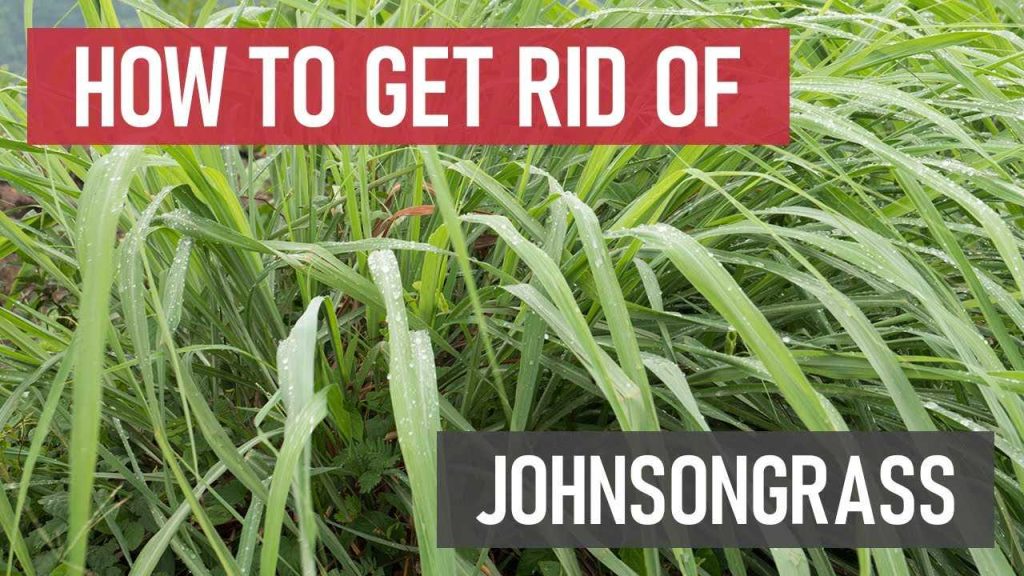
If you’re struggling with Johnson grass invading your garden or yard, you’re not alone. This invasive perennial grass can be quite a nuisance, but don’t worry—there are effective ways to eliminate it. The quickest solution is to consistently mow your lawn to prevent it from seeding and to use herbicides specifically designed to target Johnson grass. Additionally, maintaining healthy soil and promoting dense, competitive plant growth can help keep this invasive grass at bay. Now, let’s dive deeper into the methods you can adopt to reclaim your space and ensure your garden flourishes without the threat of Johnson grass taking over. With a little dedication and the right approach, you can restore balance to your landscape.

How to Get Rid of Johnson Grass
Johnson grass, characterized by its tall height and wide leaves, is a common and invasive weed that can quickly take over your garden or farm. This resilience can lead to significant issues for farmers and gardeners alike. In this guide, we will explore effective methods to eliminate Johnson grass and restore balance to your outdoor spaces.
Understanding Johnson Grass
Before you start eliminating Johnson grass, it’s essential to understand what you’re dealing with. Johnson grass (Sorghum halepense) is a perennial grass that thrives in warm climates. It is notorious for its rapid growth and ability to grow back even after being cut down.
– **Growth Characteristics**: Johnson grass can reach heights of up to 6 feet. It produces large seed heads that can disperse thousands of seeds, ensuring its rapid spread.
– **Root System**: The extensive rhizome system allows Johnson grass to regenerate quickly. This means that simply cutting it won’t be enough to eliminate it.
Identifying Johnson Grass in Your Yard
Identifying Johnson grass is the first step in addressing it. Look for the following signs:
– **Height and Structure**: Johnson grass has tall, upright growth, typically between 3 to 6 feet.
– **Leaf Appearance**: The leaves are broad and have a distinctive white midrib. They are also smooth and can vary in color from green to purplish.
– **Seed Heads**: In late summer, the flowering heads appear, which can help in identification.
By knowing what to look for, you can effectively target these intrusive plants.
Cultural Control Methods
Cultural control methods focus on changing the conditions in which Johnson grass grows. Here are some effective strategies:
Crop Rotation
One way to reduce Johnson grass is through crop rotation. By changing the types of crops or plants you grow, you can disrupt the lifecycle of this grass.
– **Diverse Planting**: Planting different crops can outcompete Johnson grass for resources, making it harder for it to thrive.
– **Timing Matters**: Ensure your crops are planted early in the season to give them a head start against Johnson grass.
Soil Health
Healthy soil can limit the spread of Johnson grass.
– **Nutrient Balance**: Test your soil and add necessary nutrients. A balanced nutrient profile can promote the growth of desired plants over Johnson grass.
– **Mulching**: Apply a layer of mulch to suppress weed growth. Organic mulches can also improve soil health as they break down over time.
Mechanical Control Methods
Mechanical control involves physically removing or destroying Johnson grass. Here’s how to do it effectively:
Mowing
Regular mowing can help keep Johnson grass in check.
– **Timing**: Mow before the grass reaches its flowering stage to prevent seed production.
– **Frequency**: Mow every few weeks during the growing season to weaken the plants.
Tilling
Tilling the soil can help disrupt the root system of Johnson grass.
– **Technique**: Ensure you till deeply to reach the rhizomes. This method can force the grass to use its energy reserves, weakening it.
– **Follow Up**: After tilling, monitor the area to catch any regrowth quickly.
Chemical Control Methods
When cultural and mechanical methods are insufficient, chemical treatments may be necessary.
Herbicides
Herbicides can effectively kill Johnson grass, but they must be used carefully.
– **Select the Right Type**: Systemic herbicides that target broadleaf plants can be effective. Always follow the manufacturer’s instructions.
– **Application Timing**: Apply herbicides in early spring when Johnson grass is actively growing. This timing increases the chances of effective control.
Spot Treatment
Instead of treating entire areas, consider spot treatments.
– **Precision Application**: Use a spray bottle or wand for targeted applications, minimizing impact on other plants.
– **Follow Up**: After treatment, check for any regrowth and reapply if necessary.
Preventing Johnson Grass Regrowth
After successfully managing Johnson grass, it’s important to prevent its return.
Regular Monitoring
Keep an eye on your garden or field.
– **Observation**: Check frequently for any signs of Johnson grass. Early detection can make management easier.
– **Immediate Action**: If you spot new growth, act quickly to control it before it spreads.
Maintain Healthy Plant Growth
Strong, healthy plants can outcompete Johnson grass.
– **Proper Watering**: Ensure adequate watering for your desired plants, as this can help them establish strong roots.
– **Fertilization**: Regularly fertilize your plants to boost their health and growth.
In summary, managing Johnson grass requires a combination of understanding, cultural practices, mechanical methods, and, if necessary, chemical treatments. By applying these strategies, you can effectively reduce and control Johnson grass in your garden or agricultural field, leading to healthier and more productive growing conditions. Remember, proactive monitoring and maintaining healthy plant growth are key to preventing its return. With determination and the right approach, you can reclaim your space from this invasive weed.
How to Get Rid of Johnson Grass… No Short Cuts
Frequently Asked Questions
What are the most effective methods for controlling Johnson grass?
To control Johnson grass, consider mechanical methods like mowing or tilling the soil to disrupt its growth cycle. Chemical herbicides can also be effective; look for products that specifically target perennial grasses. Additionally, you can enhance competition by planting desirable crops that can outgrow Johnson grass.
How can I prevent Johnson grass from spreading in my garden?
Preventing the spread of Johnson grass involves maintaining healthy soil and plants. Regularly monitor your garden for any signs of this grass and remove it immediately before it seeds. Practicing crop rotation and adding mulch can also help suppress its growth.
What are the signs that indicate Johnson grass is taking over my lawn?
Look for tall, coarse grass that grows more vigorously than your desired lawn species. Johnson grass typically has a distinct, broad leaf with a prominent midrib. Additionally, if you notice a sudden increase in grass height or density in patches, it may indicate an infestation.
When is the best time to treat Johnson grass?
The best time to treat Johnson grass is during the active growing season, typically in late spring to early summer. This timing allows herbicides to be most effective since the grass will be actively photosynthesizing and more vulnerable to treatment.
Can I get rid of Johnson grass naturally?
Yes, you can utilize natural methods to manage Johnson grass. Organic mulch can smother the grass, while boiling water or vinegar can kill it on contact. Frequent hand-pulling also helps, especially before the grass goes to seed, but ensure you remove the entire root system to prevent regrowth.
Final Thoughts
To get rid of Johnson grass effectively, start by regularly mowing it before it can seed. Use mulch to smother the growth and prevent it from spreading. Herbicides can also be an option, but choose products that target specific weeds without harming other plants.
Additionally, consider improving your lawn care practices. Healthy grass can outcompete Johnson grass for resources. Remove any roots you find to prevent regrowth. Following these steps will help you control and eventually eliminate Johnson grass from your yard.