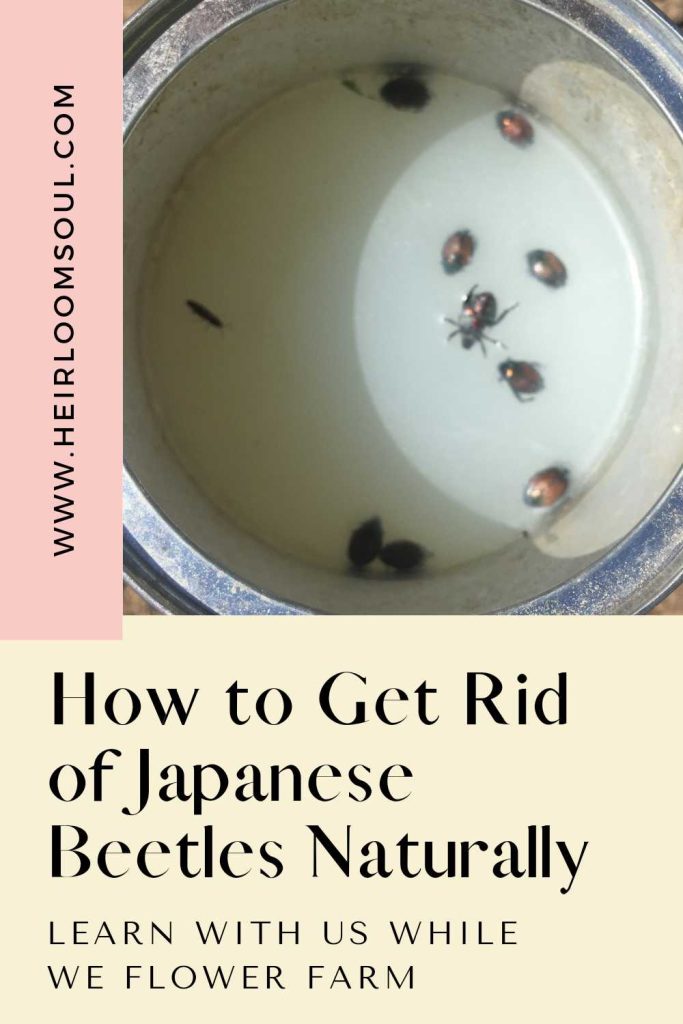
If you’re dealing with pesky Japanese beetles invading your garden, the good news is there are effective ways to get rid of them. Start by handpicking these beetles off your plants and dropping them into a bucket of soapy water. You can also use traps or beneficial insects like nematodes to help control their population. Additionally, consider planting aromatic herbs or flowers that repel these pests. With a little persistence and the right strategies, you can protect your plants and enjoy a beautiful, beetle-free garden.
Japanese beetles are more than just a nuisance; they can wreak havoc on your plants, leaving a trail of destruction in their wake. With their shiny, metallic bodies and voracious appetites, these pests can quickly turn your vibrant garden into a shadow of its former self. It’s essential to act quickly and effectively, employing a mix of natural remedies and preventive measures that not only eliminate these beetles but also safeguard your plants from future invasions. By understanding their behavior and lifecycle, you can take charge of your garden and keep it thriving. Let’s dive into the best strategies to tackle this garden menace!

“`html
How To Get Rid Of Japanese Beetles
Japanese beetles can be a significant nuisance for gardeners and homeowners alike. These pests are known for their shiny green bodies and destructive feeding habits. If you’ve noticed these bugs munching on your plants or lawn, don’t worry! There are several effective ways to control and eliminate them.
Understanding Japanese Beetles
Before diving into methods for getting rid of Japanese beetles, it’s important to understand their life cycle. Japanese beetles usually emerge in late spring and are most active during warm summer months. Knowing when they appear can help you identify and control them early.
Japanese beetles start as grubs. These grubs live underground, feeding on grass roots. When they mature into adult beetles, they emerge to feast on a variety of plants. Their favorite delicacies include roses, zinnias, and other flowering plants.
Signs of Infestation
Identifying a Japanese beetle problem early on can save your plants from severe damage. Here are a few signs to look for:
- Circular holes in leaves, similar to lace.
- Visible beetles on plants, especially during sunny days.
- Yellow or brown patches in your lawn caused by grub feeding.
If you notice these signs, it’s time to take action!
Preventive Measures
Preventing Japanese beetles from taking over your garden is the best strategy. Here’s how:
Choosing the Right Plants
Some plants naturally repel Japanese beetles. Consider planting:
- Chives
- Lavender
- Marigolds
These plants can help deter beetles and protect your garden.
Maintaining Your Lawn
A healthy lawn can reduce the chances of Japanese beetles. Here’s what you can do:
- Mow regularly to keep your grass at a healthy height.
- Water your lawn deeply but infrequently to promote strong roots.
- Fertilize your lawn to maintain its health.
These practices can help minimize grub populations.
Handpicking Japanese Beetles
One of the simplest ways to reduce the beetle population is through handpicking. Here’s how to do it effectively:
1. Go out early in the morning or late in the evening when beetles are less active.
2. Wear gloves to protect your hands.
3. Drop the beetles into a bucket of soapy water to kill them.
This method is labor-intensive but can be effective for small infestations.
Using Traps
Japanese beetle traps can be an effective way to control them. However, be cautious. Using traps can sometimes attract more beetles to your yard. If you decide to use traps, place them away from your garden to lure beetles away from your plants.
How to Set Up Traps
To effectively set up traps:
- Place the traps in open areas where beetles are common.
- Change the bait regularly to maintain its effectiveness.
- Keep an eye on the traps and empty them as needed.
Natural Deterrents
There are several natural methods to deter Japanese beetles without using chemicals. Consider the following options:
Neem Oil
Neem oil is a natural pesticide that disrupts the beetle’s lifecycle. It works by affecting their ability to feed and reproduce.
- Mix neem oil with water according to package instructions.
- Spray it on affected plants every few days.
Insecticidal Soap
Insecticidal soaps can also be effective in controlling Japanese beetles. They work by suffocating the beetles upon contact.
- Choose a commercial insecticidal soap or make your own.
- Spray plants directly, ensuring thorough coverage.
Chemical Control Options
If natural methods are not enough, consider chemical pesticides. However, it’s important to choose environmentally friendly options to protect beneficial insects.
Choosing the Right Pesticide
Here are a few types of pesticides that can help control Japanese beetles:
- Pyrethroids: Effective against various insects.
- Chlorantraniliprole: Targets specific pests without harming beneficial insects.
Always follow the manufacturer’s instructions when using pesticides.
Timing is Everything
The timing of your control efforts can make a significant difference. Here are some tips:
- Start treatments in late spring as beetles begin to emerge.
- Monitor your plants regularly for early signs of infestation.
By being proactive, you can reduce the impact of these pests.
Managing the Grub Stage
Controlling Japanese beetles also means managing their grub stage. Here’s how to tackle grubs:
Applying Beneficial Nematodes
Beneficial nematodes are microscopic worms that can kill grubs in your lawn.
- Purchase nematodes from a garden center.
- Apply them in early spring or late summer when grubs are most active.
Grub Control Products
Consider using specialized grub control products. Look for those containing:
- Milky Spore: A natural bacteria that specifically targets grubs.
- Insect Growth Regulators: These prevent grubs from maturing into beetles.
Always follow packaging directions for maximum effectiveness.
Dealing with Japanese beetles can feel overwhelming, but with the right approach, you can protect your garden. Start with preventive measures and monitor your plants regularly. If you notice beetles, take action promptly. Using a combination of handpicking, traps, and natural or chemical deterrents can help reduce their populations. Remember, a healthy garden is a resilient garden!
“`
How to get rid of Japanese Beetles ORGANICALLY and save your garden, fruit trees and rose bushes
Frequently Asked Questions
“`html
What natural methods can I use to deter Japanese beetles?
To deter Japanese beetles naturally, you can use a mixture of water and dish soap. Spray this solution directly on the beetles to kill them. Additionally, certain plants such as marigolds and garlic can repel these pests. Planting these around your garden may help keep Japanese beetles at bay.
Are there specific times when Japanese beetles are most active?
Japanese beetles tend to be most active during warm, sunny days, particularly between late spring and early summer. They usually peak in activity during late June and early July. Monitoring your garden during these times can help you catch infestations early.
How can I attract beneficial insects to my garden to combat Japanese beetles?
Encouraging beneficial insects like ladybugs and lacewings can help manage Japanese beetle populations. You can attract these insects by planting flowers like dill, fennel, and yarrow, which provide nectar and habitat. Avoid using broad-spectrum insecticides, as they can harm these helpful creatures.
What should I do if I find Japanese beetle larvae in my lawn?
If you discover Japanese beetle larvae, often referred to as grub worms, in your lawn, consider applying a beneficial nematode treatment. These microscopic worms target and kill the larvae. Additionally, aerating your lawn may help improve drainage and disrupt the lifecycle of the beetles.
Can I use chemical pesticides against Japanese beetles safely?
Yes, you can use chemical pesticides to control Japanese beetles, but safety is crucial. Always follow the instructions on the label carefully, and apply them during the evening when pollinators are less active. Additionally, ensure the product is targeted towards Japanese beetles to minimize harm to other beneficial insects.
“`
Final Thoughts
To effectively deal with Japanese beetles, start by removing them by hand whenever you spot them. Regularly check your plants and use traps to minimize their population.
Consider applying beneficial nematodes to your garden soil, as they target grubs that turn into these pests. Additionally, natural insecticides can provide a safeguard against further infestations.
Implementing these strategies will greatly assist you in your battle against Japanese beetles. Following these steps will show you how to get rid of Japanese beetles and protect your garden.