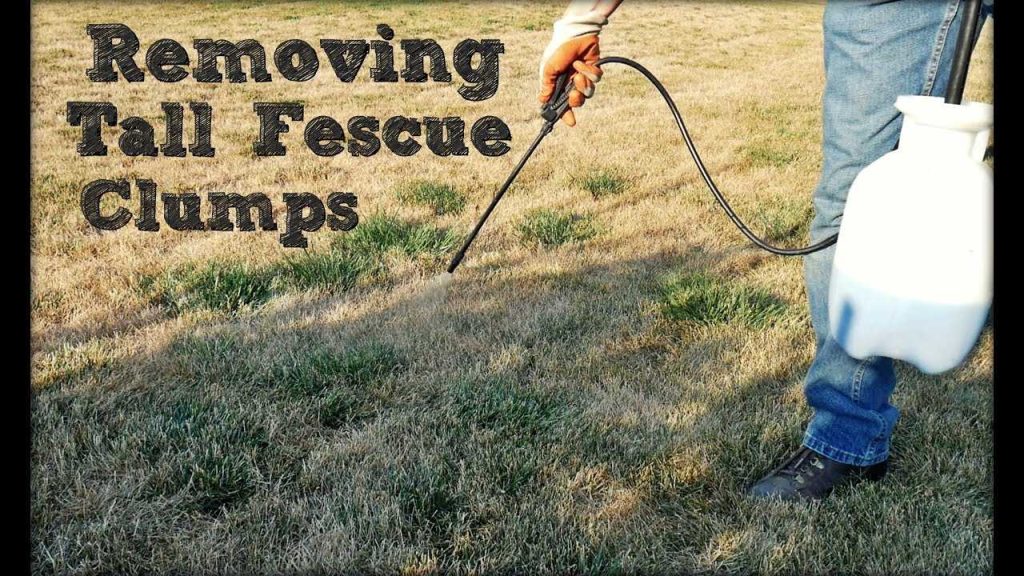
If you’re dealing with pesky grass clumps in your yard, the solution is simpler than you might think. Start by mowing your lawn regularly to ensure even grass height and promote healthy growth. Raking up the clumps can help break them apart, allowing for better air circulation and encouraging even distribution of grass. If the clumps persist, consider aerating your lawn to improve soil drainage and reduce compaction. Regularly overseeding can also help fill in bare patches and reduce clumping over time. With these steps, you’ll be on your way to a lush, even lawn without the hassle of annoying grass clumps. Now, let’s delve deeper into the reasons behind grass clumping and how to tackle it effectively!

How to Get Rid of Grass Clumps
Grass clumps can make your lawn look uneven and unkempt. These clumps are usually caused by different factors like grass species, soil quality, and improper mowing techniques. Fortunately, there are several effective methods to address this issue. This article aims to provide a detailed guide on how to get rid of grass clumps, making your lawn lush and healthy.
Understanding Grass Clumps
Before diving into solutions, it’s important to understand what causes grass clumps. These clumps often occur due to:
- Type of Grass: Certain grass species tend to grow in clumps. Tall fescue and Bermuda grass are known culprits.
- Soil Quality: Compacted soil can lead to uneven growth in grass.
- Mowing Techniques: Mowing too high or too low can contribute to clumping.
Understanding the underlying causes will aid in implementing effective solutions.
1. Improve Soil Quality
Healthy soil is essential for a thriving lawn. You can start by testing your soil to determine its pH and nutrient levels.
- Soil Testing: Use a home testing kit or send a sample to a lab.
- Amend Soil: Based on the test results, add organic matter like compost to improve soil structure.
- Aerate the Lawn: Aeration creates holes in the soil to promote better root growth. Use a core aerator for best results.
Improving soil conditions will encourage even grass growth.
2. Choose the Right Grass Type
Selecting the right type of grass can make a significant difference in preventing clumps. Consider these factors:
- Climate: Choose grass varieties suited for your local climate.
- Sunlight: Assess how much sun your lawn receives and select grass types accordingly.
- Foot Traffic: If your lawn experiences a lot of activity, opt for durable grass types.
A suitable grass type will minimize the chances of clumping.
3. Regular Lawn Maintenance
Consistent lawn care is crucial for preventing grass clumps. Here are some maintenance tips:
- Mowing: Mow regularly and at the right height. For most grasses, the ideal height is about 2.5 to 3.5 inches.
- Fertilizing: Apply fertilizer based on grass type and soil conditions. This supports healthy growth.
- Watering: Ensure your lawn receives adequate water, especially during dry spells.
Healthy grass is less likely to form clumps.
4. Reseed and Overseed
Reseeding and overseeding can help fill in bare spots and reduce clumping. This involves planting grass seeds in areas with thin or patchy growth.
- Timing: The best time for overseeding is early fall or spring.
- Preparation: Mow the lawn lower than usual and rake the area to expose the soil.
- Seed Selection: Choose high-quality seeds that match your existing grass type.
Overseeding enhances your lawn’s density, preventing clumping.
5. Manual Removal of Clumps
In some cases, manual removal of grass clumps may be necessary. Here’s how to do it:
- Identify Clumps: Walk around your lawn to locate clumps that need attention.
- Dig Them Out: Use a shovel or garden fork to carefully dig out the clumps.
- Reshape the Soil: Level the area and fill it with topsoil if needed.
This method may require some effort but is effective.
6. Use Lawn Care Tools
Certain lawn care tools can help in managing grass clumps. Consider adding the following to your toolkit:
- Lawn Rake: A bow rake can help level uneven spots in your lawn.
- Aerator: As mentioned earlier, an aerator is crucial for creating healthy soil conditions.
- Mulcher: A mulching mower can help cut grass finely, promoting better decomposition and reducing clumping.
Using the right tools will make lawn maintenance much easier.
7. Address Compaction Issues
Soil compaction can lead to inadequate growth and clumping. Here’s how to address it:
- Aeration: As mentioned, aerate the soil using a core aerator to relieve compaction.
- Limit Traffic: Try to avoid excessive foot traffic on your lawn, especially when it’s wet.
- Top Dressing: Apply a thin layer of compost or soil to help reduce compaction.
These practices will improve soil structure and promote even grass growth.
8. Monitor and Adapt
Regular monitoring of your lawn is essential. Make it a habit to check for signs of clumping and adjust your care routine accordingly.
- Visual Inspection: Regularly walk through your lawn to look for uneven areas.
- Seasonal Adjustments: Adapt your lawn care techniques based on seasonal changes and weather conditions.
- Keep Records: Document your maintenance activities to see what works best for your lawn.
Staying vigilant will help in identifying clumping issues early.
9. Consult with Experts
If you’re dealing with persistent grass clumps and can’t resolve them, consider consulting with lawn care professionals.
- Seek Professional Advice: Lawn care experts can provide tailored solutions based on your lawn’s specific needs.
- Hiring Services: Lawn care services often have advanced tools and techniques for addressing clumping issues.
- Workshops: Attend local garden workshops for hands-on learning.
Expert guidance can be invaluable for maintaining a healthy, lush lawn.
In summary, tackling grass clumps requires a combination of understanding the problem, maintaining your lawn properly, and possibly seeking professional advice. Addressing soil quality, selecting the right grass type, and practicing regular maintenance are key strategies. With a little effort and attention, you can transform your lawn into a beautiful green space that you’ll be proud to show off.
How To Remove Tall Fescue Clumps in Your Lawn
Frequently Asked Questions
“`html
What causes grass clumps in a lawn?
Grass clumps often appear due to uneven growth, thatch buildup, or pest infestations. Overwatering and poor soil aeration can also lead to compacted soil, resulting in clumping. Additionally, certain grass types may naturally grow denser, contributing to the formation of clumps.
How can I prevent grass clumps from forming?
To prevent grass clumps, maintain consistent mowing practices and avoid cutting more than one-third of the grass height at a time. Regularly aerate your lawn to improve soil health and promote even growth. Ensure proper watering techniques to avoid over-saturation, and apply a suitable fertilizer to provide balanced nutrients.
Is manual removal effective for grass clumps?
Yes, manually removing grass clumps can be effective, especially for smaller areas. Use a rake or your hands to pull up the clumps and loosen the soil. After removal, you can re-seed or add new grass to the area to promote growth and fill in any gaps.
When is the best time to manage grass clumps?
The best time to manage grass clumps is during the growing season, typically in spring or early fall. This timing allows for optimal growth of new grass and gives your lawn the best chance to recover and fill in any bare spots after removal.
Can I use a dethatching rake to help with grass clumps?
A dethatching rake can indeed help with grass clumps. This tool removes the layer of thatch that can build up on the soil surface, facilitating better airflow and nutrient absorption. By using a dethatching rake, you can promote more uniform grass growth and reduce clumping.
“`
Final Thoughts
To effectively get rid of grass clumps, start by regularly mowing your lawn to maintain a consistent height. This practice helps prevent clumping and promotes even growth.
Next, aerate the soil to improve drainage and reduce compacted areas where clumps form. Additionally, consider using a dethatching rake to remove excess thatch that can contribute to clumping.
Finally, ensure you water and fertilize your lawn appropriately to support healthy, even growth. By following these steps, you can easily learn how to get rid of grass clumps and enjoy a lush, uniform lawn.