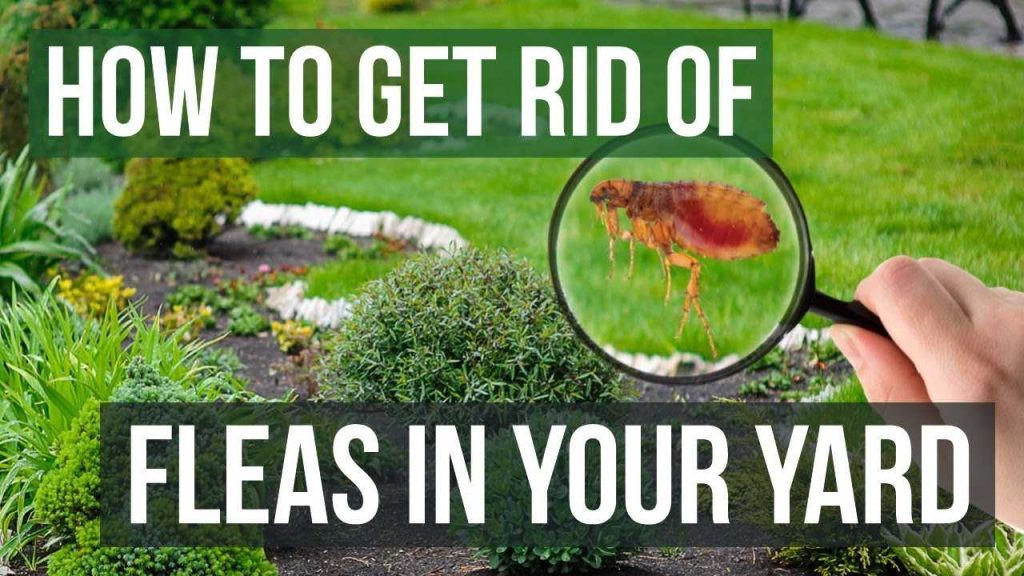
If you’re dealing with fleas in your backyard, the good news is that there are several effective ways to eliminate them. Start by keeping your lawn tidy—mowing regularly and removing any debris can reduce flea habitats. You can also introduce beneficial nematodes, microscopic worms that feed on fleas’ larvae and eggs. Additionally, consider using diatomaceous earth, a natural powder that dehydrates and kills fleas upon contact. Regularly treating your pets with vet-approved flea prevention methods will further help keep your yard flea-free. With consistent effort and the right approach, you can reclaim your outdoor space and enjoy it worry-free.
Fleas can be a real nuisance, especially when they invade your backyard. These tiny pests not only irritate our furry friends but can also jump onto humans, making outdoor activities less enjoyable. The first step in tackling this problem is to understand flea behavior and habitat. Fleas thrive in warm, humid environments, often hiding in shady areas of your yard, between grass blades, or within leaf litter. By taking proactive measures such as proper yard maintenance, natural pest control solutions, and treating your pets, you can effectively break the flea life cycle and reclaim your outdoor space. Let’s dive into some practical strategies to help you banish these unwanted guests once and for all.

How to Get Rid of Fleas in Your Backyard
Fleas are tiny pests that can cause big problems in your backyard. They not only annoy your pets but can also lead to health issues for both animals and humans. Getting rid of fleas in your backyard requires a combination of prevention, treatment, and consistent maintenance. Let’s dive into effective strategies and solutions you can implement to keep your outdoor space flea-free.
Understanding Fleas: A Quick Overview
Before tackling flea issues, it’s essential to understand what they are. Fleas are small, dark brown insects that feed on the blood of mammals and birds. They live in the grass, shrubs, and soil in your yard. Here are some key facts about fleas:
- Fleas can jump up to 200 times their body length.
- They reproduce quickly, with females laying up to 50 eggs per day.
- Fleas can survive for several months without feeding.
Understanding their life cycle can also help you in choosing the right treatment methods.
The Flea Life Cycle
Flea development occurs in several stages: egg, larva, pupa, and adult. Adult fleas lay eggs in your yard, especially in shaded areas. Here’s a breakdown of each stage:
- Eggs: These are tiny and usually fall off the host onto the ground, where they can be found in soil and grass.
- Larvae: The larvae feed on organic debris, including flea droppings and dead skin.
- Pupae: This stage can last weeks or months, depending on environmental conditions.
- Adults: They emerge from the pupae, seeking a host to feed on.
By knowing their life cycle, you can target your flea eradication efforts effectively.
Assessing the Problem
Start by examining your backyard for signs of flea activity. Look for the following:
- Pets scratching excessively.
- Flea dirt—small black specks on your pet or in the grass.
- Fleas jumping around in the grass when you walk through.
Identifying the severity of the infestation will help you determine the necessary steps.
Preventing Fleas in Your Backyard
Prevention is always better than cure. Here are some steps to help keep fleas at bay:
- Mow Your Lawn Regularly: Keeping your grass short reduces shady areas where fleas can thrive.
- Remove Debris: Clear leaves, sticks, and other organic matter regularly to eliminate breeding grounds.
- Use Cedar Mulch: Cedar chips are known to naturally repel fleas.
Implementing these measures can create an unwelcoming environment for fleas.
Treating Fleas in Your Backyard
If you discover fleas, don’t panic. Here are methods to eliminate them effectively.
1. Chemical Treatments
Chemical treatments can be effective but should be used carefully. Look for products labeled for outdoor use, and follow the instructions closely. Common options include:
- Insect Growth Regulators (IGRs): These disrupt the flea life cycle.
- Pyrethroids: These are synthetic chemicals that kill fleas on contact.
Always ensure that the products are safe for pets, children, and the environment.
2. Natural Treatments
For those seeking a chemical-free solution, consider natural treatments:
- Diatomaceous Earth: This natural powder can be sprinkled in your yard. It works by dehydrating fleas.
- Essential Oils: Oils like lavender, peppermint, and eucalyptus can repel fleas. Mix with water and spray in your yard.
Natural treatments may require more frequent application but are a safer option.
3. Beneficial Nematodes
Beneficial nematodes are microscopic worms that can help reduce flea populations. They enter the flea larvae and kill them. Here’s how to use them:
- Purchase nematodes from a garden center or online.
- Mix them with water and apply them to your yard.
These nematodes are effective and do not harm plants or pets.
Maintaining Your Yard to Prevent Fleas
Once you’ve managed to eliminate fleas, maintaining your yard is crucial to prevent their return. Consider the following strategies:
- Regularly Inspect Your Pets: Check your pets for fleas every time they come in from the yard.
- Routine Lawn Care: Continue to mow and clear debris regularly.
- Monitor Weather Conditions: Fleas tend to thrive in warm, humid weather. Be proactive during these times.
Consistent upkeep will make your backyard less inviting to fleas.
Flea Control for Pets
While treating your yard is essential, don’t forget your pets in the process. Here are ways to ensure they are flea-free:
- Use Veterinary-Approved Flea Treatments: Consult your vet for suitable topical treatments or oral medications.
- Regular Grooming: Brush your pet frequently to remove any fleas or eggs before they spread.
Incorporating these steps will contribute to a comprehensive flea control approach.
When to Seek Professional Help
If after all your efforts, fleas still persist, consider hiring a pest control professional. They can provide targeted treatments and advice tailored to your situation. Signs that you may need professional help include:
- Widespread flea activity despite treatment.
- Fleas appear to be resistant to over-the-counter products.
Professional guidance can save you time and potentially money.
Summing It Up
Getting rid of fleas in your backyard requires a thoughtful approach involving prevention, treatment, and ongoing maintenance. By understanding the flea life cycle, performing regular yard care, and utilizing both chemical and natural solutions, you can create a safe and comfortable outdoor environment.
Taking the time to implement these strategies will not only protect your pets but also keep your backyard enjoyable for everyone. Remember, a flea-free yard is an essential part of keeping your home healthy and happy.
Flea and Tick In your yard Killer / Preventer DIY Cheap- works for me -👉CHECK SAFETY IN DESCRIPTION
Frequently Asked Questions
“`html
What are some natural methods to eliminate fleas in my backyard?
Using natural remedies can effectively help eliminate fleas. Consider sprinkling diatomaceous earth over the infested areas. This substance dehydrates fleas and their eggs. You can also use a mixture of water and dish soap in a spray bottle, applying it to areas where fleas thrive. Additionally, essential oils like lavender, peppermint, or cedar can repel fleas when diluted and sprayed around your yard.
How can I prevent fleas from returning to my backyard?
Preventing the return of fleas requires consistent maintenance. Regularly mow your lawn to keep grass short and discourage flea habitation. Clear debris and leaves where fleas may hide, and consider using flea-repelling plants like marigolds and rosemary in your garden. Additionally, keep pets treated with flea prevention medications, as they can bring fleas into the yard from other areas.
What role does cleaning play in flea control outdoors?
Keeping your backyard clean is crucial in controlling fleas. Regularly raking and removing organic debris helps eliminate flea habitats. Washing pet bedding and outdoor furniture with hot water removes any fleas or eggs that may have settled there. Maintaining a tidy environment makes it harder for fleas to thrive and reproduce.
How effective are chemical treatments for fleas in outdoor spaces?
Chemical treatments can be effective for controlling fleas in outdoor areas, but they should be used with caution. Look for products specifically designed for outdoor use, and follow the manufacturer’s instructions. Treat areas where pets frequently roam and focus on shaded spots, as fleas tend to thrive in these environments. Always consider environmental safety and choose pet-friendly options whenever possible.
Is it necessary to treat my pets when dealing with a flea infestation in the yard?
Treating your pets is essential when addressing a flea infestation. Pets can carry fleas into your yard, so ensure they receive appropriate flea treatments. Consult your veterinarian for suitable options, including topical treatments, oral medications, or flea collars. This step helps break the flea life cycle and prevents reinfestation in your backyard.
“`
Final Thoughts
To effectively manage fleas in your backyard, start by maintaining a clean environment. Regularly mow your lawn and clear debris where fleas can hide.
Consider using nematodes, beneficial microscopic worms that target flea larvae, providing a natural method of control.
Applying insecticides specifically designed for fleas can also help, but ensure they are pet-friendly.
Overall, combining these strategies will significantly assist in how to get rid of fleas in your back yard and keep your outdoor space flea-free.