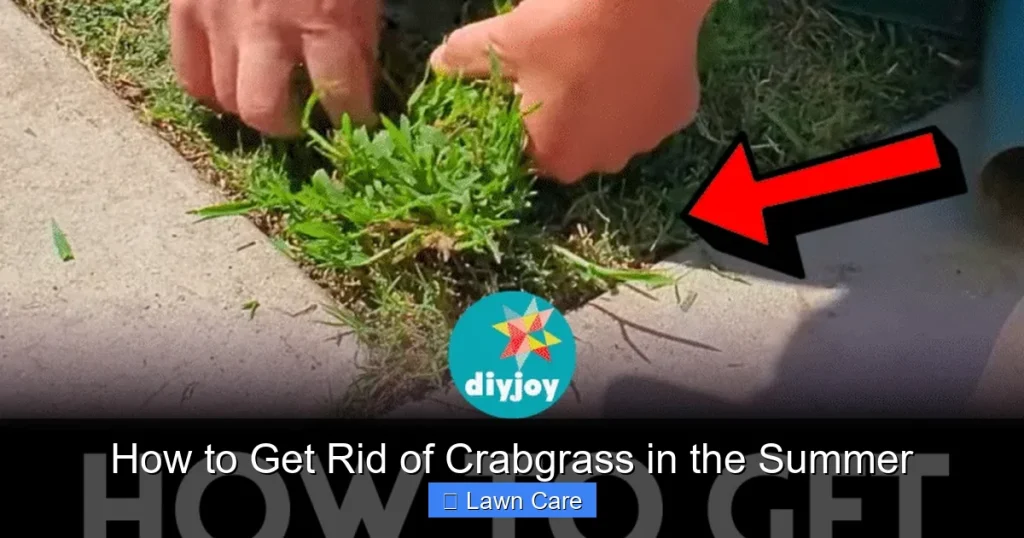
Crabgrass thrives in summer heat, but you can stop it with the right approach. This guide covers prevention, removal, and lawn care strategies to keep your grass healthy and weed-free all season.
Key Takeaways
- Act early: Apply pre-emergent herbicides in early spring to stop crabgrass seeds from sprouting.
- Pull by hand: Remove small patches by hand before they spread, especially after rain when soil is soft.
- Mow high: Keep grass at 3–4 inches to shade soil and prevent crabgrass from taking root.
- Water deeply: Water less often but more deeply to encourage strong grass roots that outcompete weeds.
- Use post-emergent herbicides wisely: Apply selective herbicides on young crabgrass, not mature plants.
- Overseed in fall: Fill bare spots with grass seed to reduce future crabgrass invasion.
- Maintain soil health: Aerate and fertilize to grow thick, healthy turf that resists weeds naturally.
How to Get Rid of Crabgrass in the Summer
If you’ve noticed thick, wide blades of grass spreading across your lawn like a weed, you’re likely dealing with crabgrass. This pesky summer annual thrives in hot, dry conditions and can quickly take over thin or weak lawns. But don’t worry—getting rid of crabgrass in the summer is possible with the right tools and techniques.
In this guide, you’ll learn how to identify crabgrass, stop it from spreading, and prevent it from coming back. We’ll cover everything from manual removal and herbicide use to lawn care habits that keep your grass strong and weed-resistant. Whether you’re facing a few patches or a full-blown invasion, these steps will help you reclaim your lawn.
Step 1: Identify Crabgrass Correctly
Before you start treating, make sure you’re dealing with crabgrass. It looks different from regular grass and has a few telltale signs.
Look for these features:
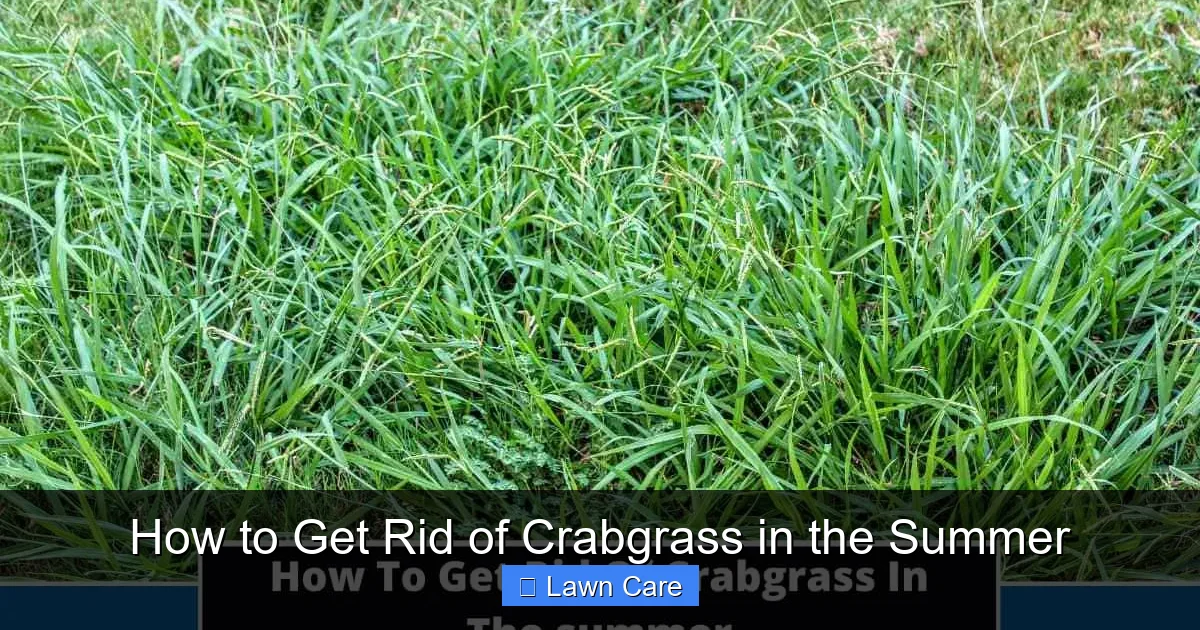
- Wide, flat blades: Crabgrass leaves are broader than most lawn grasses and often have a light green or purple tint.
- Sprawling growth: It grows low to the ground in a star-like pattern, spreading out from a central point.
- Light green color: It’s usually lighter than surrounding grass, making it stand out.
- Seed heads: In mid-summer, it produces finger-like seed heads that rise above the grass.
Crabgrass spreads by seed, and each plant can produce thousands of seeds in one season. That’s why early action is key.
Step 2: Remove Existing Crabgrass
Once you’ve spotted crabgrass, it’s time to remove it. The method you choose depends on how much is growing.
For small patches: Pull by hand
Hand-pulling is effective for young crabgrass plants. Do this after a rain or watering when the soil is soft. Grab the plant at the base and pull gently but firmly to remove the entire root system. If you leave roots behind, it may regrow.
Visual guide about How to Get Rid of Crabgrass in the Summer
Image source: homemashal.com
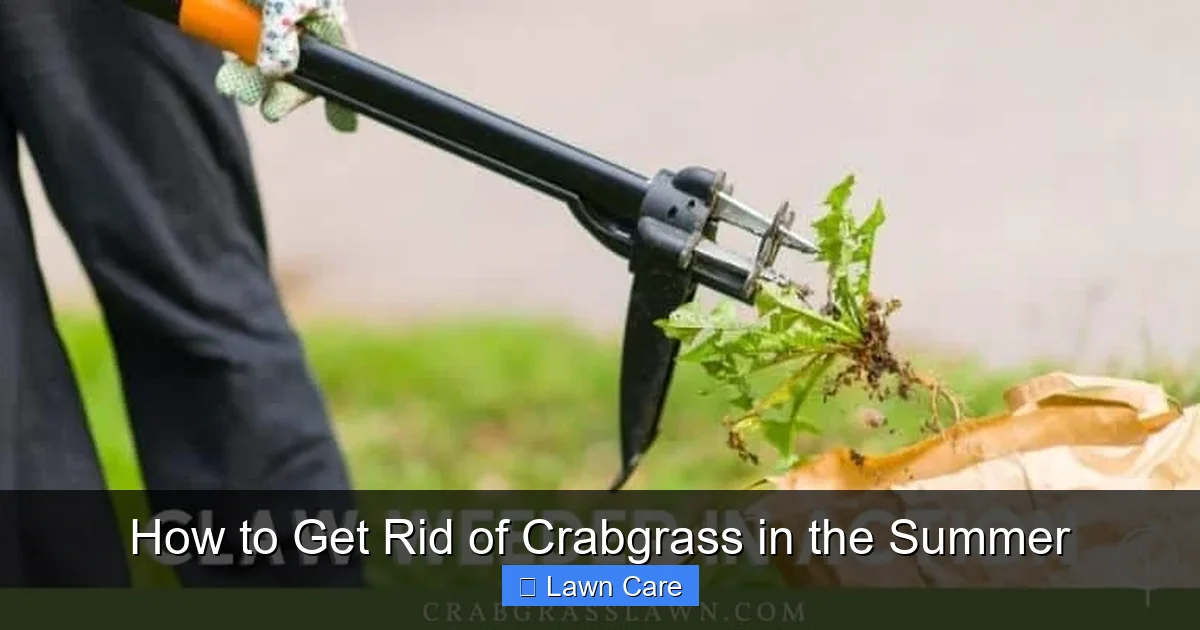
Use a weeding tool for deeper roots
If the crabgrass is well-established, use a dandelion digger or hand weeder to loosen the soil and extract the full root. Be thorough—crabgrass has fibrous roots that can regrow if not fully removed.
For larger infestations: Use a post-emergent herbicide
When crabgrass covers a large area, herbicides may be necessary. Look for products labeled for crabgrass control that are safe for your grass type. Apply on a calm, dry day when temperatures are below 85°F to avoid damaging your lawn.
Pro tip: Always follow the label instructions. Overuse can harm beneficial plants and soil health.
Step 3: Prevent Future Growth with Lawn Care
The best way to fight crabgrass is to grow a thick, healthy lawn that leaves no room for weeds. Healthy grass crowds out crabgrass naturally.
Mow at the right height
Set your mower to 3–4 inches. Taller grass shades the soil, making it harder for crabgrass seeds to germinate. Avoid cutting more than one-third of the grass blade at a time to prevent stress.
Visual guide about How to Get Rid of Crabgrass in the Summer
Image source: crabgrasslawn.com
Water deeply and infrequently
Water your lawn 1–1.5 inches per week, preferably in the early morning. Deep watering encourages deep roots, while frequent light watering promotes shallow roots and weak grass—ideal conditions for crabgrass.
Fertilize properly
Feed your lawn in spring and fall with a balanced fertilizer. Avoid over-fertilizing in summer, as this can burn grass and encourage weeds. A soil test can help you choose the right nutrients.
Aerate your lawn
Compacted soil makes it hard for grass to grow strong roots. Aerate once a year, preferably in fall, to improve air, water, and nutrient flow. This helps grass outcompete weeds like crabgrass.
Overseed bare spots
Bare patches are prime real estate for crabgrass. In early fall, overseed thin or damaged areas with a grass seed that matches your lawn. Keep the soil moist until seeds germinate.
Step 4: Use Herbicides Strategically
Herbicides can be useful, but timing and type matter.
Pre-emergent herbicides: Stop seeds before they sprout
Apply pre-emergent herbicides in early spring, before soil temperatures reach 55°F for several days. This stops crabgrass seeds from germinating. Products with active ingredients like dithiopyr or pendimethalin work well.
Note: Do not apply pre-emergent if you plan to overseed, as it can prevent grass seed from growing.
Post-emergent herbicides: Kill existing plants
Use post-emergent herbicides in late spring to early summer when crabgrass is young and actively growing. Mature crabgrass is harder to kill. Look for products containing quinclorac, which targets crabgrass without harming most lawn grasses.
Spot-treat instead of blanket spraying
Only spray areas with visible crabgrass. This reduces chemical use and protects beneficial plants and insects.
Step 5: Maintain Long-Term Lawn Health
Preventing crabgrass isn’t a one-time fix—it’s an ongoing process.
Keep grass thick and healthy
A dense lawn leaves little space for weeds. Regular mowing, watering, and fertilizing keep your grass strong. Consider using a mulching mower to return nutrients to the soil.
Monitor for early signs
Check your lawn weekly during summer. Spotting crabgrass early makes it much easier to control. Remove small plants before they produce seeds.
Improve soil quality
Test your soil every 2–3 years. Adjust pH and nutrient levels as needed. Healthy soil supports healthy grass, which naturally resists weeds.
Avoid overwatering
Too much water, especially in shady areas, can weaken grass and encourage weeds. Use a rain gauge or moisture meter to track watering needs.
Troubleshooting Common Issues
Even with the best care, problems can arise. Here’s how to handle them.
Crabgrass keeps coming back
This usually means your lawn is thin or soil conditions favor weeds. Focus on improving grass density through overseeding, proper mowing, and soil care. Also, ensure you’re applying pre-emergent at the right time each year.
Herbicide damaged your lawn
If your grass turns brown after spraying, you may have used too much or applied it in hot weather. Water the area lightly and avoid further treatments. Most lawns recover in 2–3 weeks with proper care.
You can’t pull all the roots
Some crabgrass roots break off. Don’t panic—just keep the area well-watered and mowed. Healthy grass will fill in the space. Reapply post-emergent if new growth appears.
Your lawn has bare patches
Bare spots invite crabgrass. Overseed in fall and keep the soil moist. Consider using a starter fertilizer to boost growth.
Conclusion
Getting rid of crabgrass in the summer takes effort, but it’s worth it for a lush, green lawn. Start by identifying and removing existing plants, then focus on building a strong, healthy turf that resists weeds naturally. Use herbicides wisely, maintain proper mowing and watering habits, and stay consistent with lawn care.
Remember, prevention is easier than cure. Applying pre-emergent in spring and keeping your grass thick year-round will save you time and stress. With these tips, you can enjoy a crabgrass-free lawn all summer long.
For more help with lawn weeds, check out our guide on how to get rid of weeds in your lawn naturally or learn how to get rid of crabgrass without harming your grass. If you’re dealing with other lawn issues, such as how to get rid of moss in lawn naturally in summer, we’ve got you covered too.