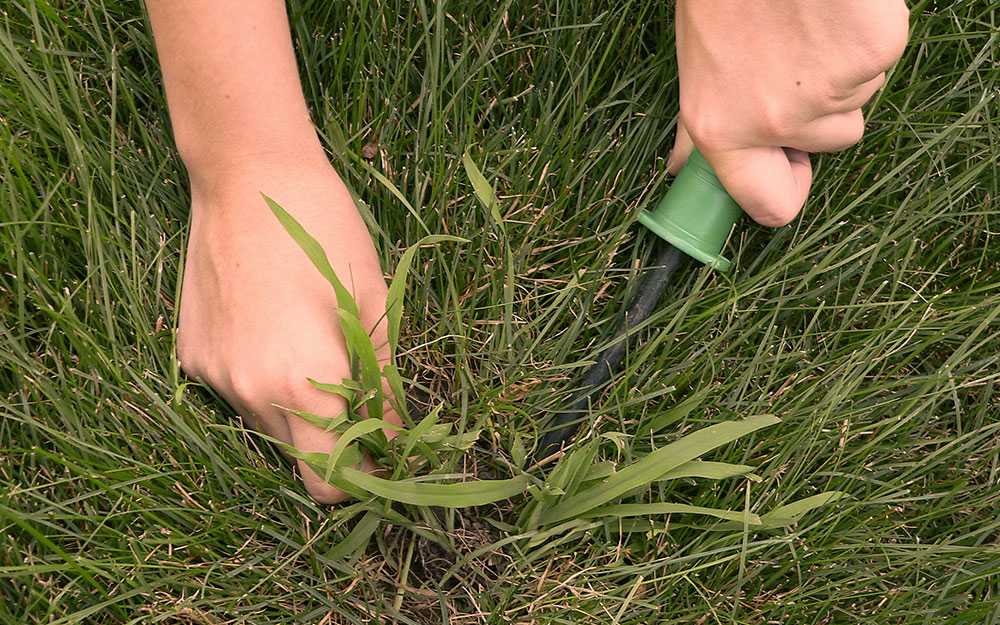
Crabgrass can be a persistent nuisance in your lawn, but tackling this weed doesn’t have to be daunting. The quick solution? Regularly maintaining your lawn through proper mowing, watering, and fertilization can help prevent crabgrass from taking hold. If you’re already dealing with it, applying a pre-emergent herbicide in early spring can stop crabgrass seeds from germinating. For existing patches, hand-pulling or using a selective herbicide can effectively curb its spread. With a little diligence and the right approach, you can reclaim your lawn from crabgrass and restore its health and beauty. Let’s dive deeper into the strategies that will keep your lawn crabgrass-free and thriving all season long!

How to Get Rid of Crab Grass
Crabgrass is a common pest that can quickly take over your lawn. If you want a healthy and beautiful yard, it’s important to know how to get rid of crabgrass effectively. This article dives deep into various methods to tackle this pesky weed. Let’s explore everything you need to know about combating crabgrass.
Understanding Crabgrass
Crabgrass is a fast-growing annual weed that can spread rapidly in warm weather. It thrives in sunny areas and can easily invade your lawn if it’s not well-maintained.
Crabgrass plants are low-growing, sprawling weeds with broad leaves. They can compete with your grass for nutrients and water. If left unchecked, they can take over your lawn, leading to an unsightly appearance.
Identifying Crabgrass
Recognizing crabgrass is the first step in dealing with it. Here are some common characteristics:
- Broad, flat leaves that can grow up to six inches long.
- A sprawling growth habit that resembles a mop.
- Thick stems that may take root at the nodes when they touch the ground.
- Typically grows low to the ground and can be quite vibrant in color.
Being able to identify crabgrass early on can help in taking preventive measures before it spreads.
Prevention is Key
Preventing crabgrass from taking over your lawn is the best strategy. Here are some effective methods:
Lawn Maintenance
Keeping your lawn healthy can help suppress crabgrass. Regular mowing, watering, and fertilizing are vital.
– Mow your grass at the correct height. This helps it compete better against weeds.
– Water deeply but infrequently. This encourages strong root growth in your lawn.
– Fertilize at the right time of year, usually in spring and fall.
Mulching
If you have garden beds, apply mulch. Mulch blocks sunlight, making it harder for crabgrass seeds to germinate.
– Use organic mulch like wood chips or straw.
– Apply a layer that is 2-4 inches thick for maximum effectiveness.
Soil Health
Healthy soil makes it harder for crabgrass to establish itself. Test your soil to determine its pH and nutrient levels.
– Add organic matter to improve soil structure.
– Adjust pH levels as needed for optimal grass growth.
Natural Control Methods
If crabgrass does appear in your lawn, natural control methods can help minimize its growth.
Hand Pulling
One of the simplest methods for small patches is hand pulling. To effectively hand pull crabgrass:
– Pull it out when the soil is moist.
– Ensure you remove the entire root to prevent regrowth.
Boiling Water
Boiling water can be an effective way to kill crabgrass without chemicals. Carefully pour boiling water directly onto the plants.
– This method is most effective for small patches.
– Be cautious not to get boiling water on desired plants.
Chemical Control Options
When natural methods aren’t sufficient, chemical herbicides can be effective in controlling crabgrass.
Pre-emergent Herbicides
Pre-emergent herbicides prevent crabgrass seeds from germinating. These should be applied in early spring before the soil warms up.
– Look for products containing prodiamine or pendimethalin.
– Follow the package instructions for the right application rate.
Post-emergent Herbicides
For existing crabgrass, post-emergent herbicides can help. These are sprayed on visible weeds.
– Products with glyphosate or quinclorac are effective.
– Always read the label carefully and apply as directed.
Timing Your Treatments
Timing is crucial in both prevention and control of crabgrass.
– Apply pre-emergent herbicides when soil temperatures reach about 55°F.
– Hand-pulling is best done in the early morning or after rain when the soil is moist.
Monitoring weather conditions and planning your treatments accordingly can greatly enhance success.
Adjusting Mowing Practices
Mowing can influence crabgrass growth. Here are some tips to mow effectively:
- Set your mower height to at least three inches. Taller grass shades the soil, making it difficult for crabgrass to thrive.
- Mow frequently to prevent flowering and seed production.
- Keep mower blades sharp for a clean cut, promoting healthier grass.
Mowing correctly contributes to a stronger lawn that can stand up to weeds like crabgrass.
Watering Wisely
Watering practices can also impact crabgrass growth.
– Water your lawn in the early morning to reduce evaporation.
– Deep watering encourages stronger roots, making your grass more competitive against crabgrass.
Setting an appropriate watering schedule is essential for maintaining lawn health.
Fertilizing Appropriately
Fertilization can help your grass outcompete crabgrass.
– Use a slow-release fertilizer to nourish your lawn throughout the growing season.
– Avoid excessive nitrogen, which can promote crabgrass growth.
A balanced fertilization plan can help keep your lawn lush and healthy.
Maintaining Lawn Density
A dense lawn is less prone to weed invasion.
– Overseed bare spots to promote thick grass coverage.
– Use quality grass seed that is suited to your climate.
Strong, dense grass can effectively suppress crabgrass and other weeds.
Seasonal Considerations
Be aware of seasonal changes that influence crabgrass growth.
– In spring, monitor soil temperatures to time pre-emergent applications.
– In summer, stay vigilant for new growth as crabgrass can reseed itself quickly.
Adjusting practices seasonally can result in more effective management of crabgrass.
Addressing Lawn Thinning
If your lawn gets thin, it opens the door for crabgrass.
– Regularly aerate your lawn to improve air, water, and nutrient penetration.
– Consider lawn renovation if the grass quality declines significantly.
Addressing thinning early on helps maintain a healthy lawn that can resist weeds.
In summary, effectively getting rid of crabgrass requires a combination of prevention, identification, and control methods. From maintaining a healthy lawn to using appropriate herbicides, each step plays a crucial role. By understanding the lifecycle of crabgrass and implementing these strategies, you can enjoy a vibrant, weed-free lawn. Remember, patience and consistency are key to achieving the best results!
How to Get Rid of Crabgrass (4 Easy Steps)
Frequently Asked Questions
“`html
What are the best natural methods to eliminate crab grass?
Employing natural methods to eliminate crab grass includes using vinegar or boiling water. Vinegar’s acidity can effectively kill the grass, while boiling water can scald it. Additionally, applying a layer of mulch can prevent crab grass seeds from germinating by blocking sunlight.
How can I prevent crab grass from returning next season?
To prevent crab grass from returning, maintain a healthy lawn through regular mowing and watering. Fertilizing your grass in early spring encourages robust growth, which helps choke out crab grass. Additionally, applying pre-emergent herbicides in spring can inhibit crab grass seed germination.
What is the role of soil health in crab grass management?
Soil health plays a crucial role in managing crab grass. Poor soil conditions can encourage crab grass growth. Test your soil to check pH levels and nutrient content. Amending the soil with organic matter, such as compost, can improve its health, promoting desirable grass growth while suppressing weeds like crab grass.
Are there specific times when it’s best to tackle crab grass?
The best time to tackle crab grass is during its early growth stages in late spring. Targeting it while it is young allows for more effective removal, either manually or chemically. Early intervention minimizes the chance for crab grass to establish deep roots and spread.
What tools are effective for manually removing crab grass?
Using a sharp garden hoe or a weeding tool can effectively remove crab grass manually. Ensure you pull it out by the roots to prevent regrowth. For larger patches, a shovel may be necessary to dig out the entire plant. Always remove any remaining roots and debris from the soil.
“`
Final Thoughts
To effectively get rid of crab grass, start by maintaining a healthy lawn. Regular mowing at the right height and proper watering can prevent crab grass from thriving.
Using pre-emergent herbicides in early spring is another effective method to control its growth.
For existing patches, hand-pulling or targeted post-emergent herbicides can help eliminate the problem.
By implementing these strategies, you can successfully manage your lawn and reduce the presence of crab grass.