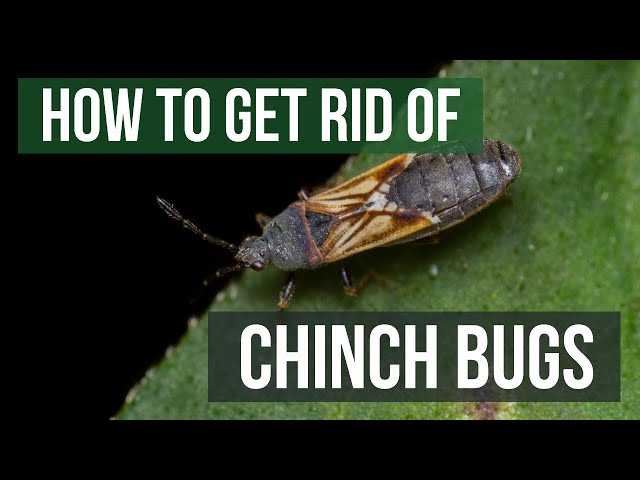
If you’re dealing with chinch bugs in your lawn, the quickest way to tackle the problem is by using insecticidal soap or a pesticide specifically formulated for these pests. You can also promote a healthy lawn by regularly watering, mowing, and fertilizing, as a strong lawn is more resistant to chinch bug infestations.
Chinch bugs may be small, but they can cause big damage to your grass if left unchecked. These pests love hot, dry conditions and can quickly multiply, leaving behind dried-out patches in your once lush lawn. Fortunately, there are effective methods to get rid of them and restore your grassy paradise. Whether you prefer chemical treatments or natural remedies, understanding how these bugs operate is key to eliminating them. In this article, we’ll explore the signs of chinch bug activity, the best ways to control them, and tips for preventing future infestations. Let’s get started on reclaiming your lawn!

How To Get Rid Of Chinch Bugs
Chinch bugs can be a homeowner’s nightmare, particularly for those who take pride in their lawns. These tiny insects, measuring just a quarter of an inch, are notorious for causing significant damage to grass. They suck sap from grass blades, leading to brown patches that can ruin a lush lawn. Learning how to effectively get rid of chinch bugs is essential for restoring your garden to its former glory.
Understanding Chinch Bugs
Before you can get rid of chinch bugs, it’s important to understand what they are and how they operate. Chinch bugs are small, black insects with white wings that are often found in warm regions. They thrive during hot summers, making your lawn a prime target.
Chinch bugs typically hide in the thatch layer of your lawn. This is the layer of dead grass and organic material that sits above the soil. They prefer dry conditions, making lawns with poor irrigation systems more susceptible to infestations.
Signs of a Chinch Bug Infestation
Recognizing chinch bugs in your lawn early is crucial for effective management. Here are some signs to look for:
- Brown patches in the grass that remain dry
- Grass that shows signs of wilting or dying
- Visible chinch bugs on grass blades or in the thatch layer
If you notice these signs, it’s time to take action.
Identifying Chinch Bugs
To confirm that chinch bugs are indeed the culprits of your lawn issues, you can perform a simple test. Here’s how:
1. **Take a can and cut both ends off.** Place it in an area of your lawn that appears damaged.
2. **Fill the can with water.** Leave it there for about 15 minutes.
3. **After 15 minutes, check the water.** If chinch bugs are present, they will float to the top.
This test helps identify chinch bugs specifically, allowing you to focus your treatment efforts.
Preventing Chinch Bugs
The best way to manage chinch bugs is through prevention. Here are some effective strategies:
- **Maintain a Healthy Lawn:** Regular mowing and watering can keep your grass thick and resistant.
- **Proper Irrigation:** Water deeply but infrequently to prevent drought stress.
- **Fertilization:** Use a balanced fertilizer to promote healthy growth.
- **Overseeding:** Thick grass can discourage chinch bug infestations.
Taking these steps can help protect your lawn from infestation before it becomes a problem.
Natural Remedies for Chinch Bugs
If you prefer to avoid chemical treatments, there are several natural methods that can be effective. Let’s look at some options:
Soapy Water Solution
A mixture of dish soap and water can help eliminate chinch bugs. Here’s how to use it:
1. **Mix 2 tablespoons of dish soap with a gallon of water.**
2. **Spray the mixture onto the affected areas.** The soap will suffocate the bugs.
This method is safe for your plants and the environment.
Neem Oil
Neem oil is another natural pesticide that can target chinch bugs. It disrupts their life cycle and discourages feeding. To use neem oil:
1. **Dilute neem oil according to the instructions on the packaging.**
2. **Spray it directly onto the grass.**
Repeat the application every two weeks for best results.
Chemical Treatments for Chinch Bugs
If natural remedies don’t seem to be working, you may need to consider chemical options. It’s important to choose a pesticide that specifically targets chinch bugs. Here are some common treatments:
- **Pyrethroids:** These are synthetic chemicals that can be very effective.
- **Insect Growth Regulators (IGRs):** These disrupt the development of chinch bugs.
Always follow the label instructions carefully and apply these products in the evening to minimize harm to beneficial insects.
Applying Pesticides Safely
When applying pesticides, safety should always be a priority. Here are some guidelines to ensure safe application:
- **Wear Protective Gear:** Use gloves, long sleeves, and a mask.
- **Avoid Windy Days:** Pesticides can drift and affect unintended areas.
- **Keep Pets and Children Away:** Ensure that no one enters the treated area until it’s safe.
Following these precautions will help you protect yourself and your family.
Post-Treatment Care for Your Lawn
After treating your lawn for chinch bugs, it’s important to care for it properly. Here’s what to do:
1. **Keep the lawn watered:** This helps grass recover from damage.
2. **Avoid excessive foot traffic:** Give the grass time to heal.
3. **Monitor for new infestations:** Regularly check your lawn for any signs of chinch bugs returning.
Maintaining a healthy lawn post-treatment will ensure it remains resilient against future pests.
Long-term Lawn Care Strategies
To prevent chinch bugs and other pests in the future, consider these long-term lawn care strategies:
- **Regular Aeration:** Aerating your lawn can promote healthy root growth.
- **Mulching:** Proper mulching can improve soil health and deter pests.
- **Diversity in Planting:** Incorporating different types of plants can make it harder for pests to thrive.
Long-term strategies are key to creating a lawn that can resist pests like chinch bugs.
Chinch bugs can be a real challenge for homeowners, but with the right knowledge and tools, you can effectively manage and eliminate them. By understanding their behavior, recognizing the signs of infestation, and employing both preventive and curative measures, you can help ensure your lawn remains healthy, vibrant, and free of these pesky insects. With dedication and care, your lawn can once again be the lush green oasis you’ve always dreamed of.
How to Get Rid of Chinch Bugs (4 Easy Steps)
Frequently Asked Questions
“`html
What are the signs that indicate a chinch bug infestation?
Look for brown patches on your lawn, especially during warm, dry weather. Chinch bugs tend to thrive in sunny areas, so check for yellowing grass or areas that appear to dry out faster than the rest. If you notice movement of small black bugs resembling beetles, it’s a strong indication you have chinch bugs.
What preventive measures can I take to protect my lawn from chinch bugs?
Maintain a healthy lawn by watering and fertilizing properly. Regular mowing at the recommended height promotes stronger roots and reduces the chances of infestation. Additionally, overseed your lawn and use mulch to enhance moisture retention and discourage chinch bug establishment.
How can I treat my lawn if I suspect a chinch bug problem?
Begin by using a soapy water test. Pour soapy water on the affected areas and wait to see if chinch bugs emerge. If they do, consider applying insecticides specifically targeted for chinch bugs. Always follow the manufacturer’s instructions for safe and effective application.
Does lawn health influence chinch bug resistance?
Yes, a healthy lawn resists chinch bug infestations better than a stressed one. Proper watering, fertilizing, and aerating techniques enhance your lawn’s resilience. Strong, deep roots can also withstand chinch bug damage more effectively.
What are some natural remedies to help control chinch bugs?
Some natural options include using nematodes, microscopic worms that feed on chinch bugs. Spraying your lawn with a mixture of water and dish soap can also help dislodge them. Regularly introducing beneficial insects like ladybugs can create a balanced ecosystem that deters chinch bugs.
How often should I check my lawn for chinch bugs?
Inspect your lawn regularly, especially during warm months when chinch bugs are most active. Look for signs of damage or the bugs themselves every couple of weeks. Early detection allows for prompt action and minimizes the impact on your lawn.
“`
Final Thoughts
To effectively combat chinch bugs, start with proper identification and monitoring of your lawn. Regular watering and mowing can help maintain grass health, making it less susceptible to infestations.
Consider using insecticidal soap or neem oil as natural remedies to control chinch bug populations. For severe cases, chemical treatments may be necessary, so always follow label instructions for safety.
Implementing these strategies can significantly reduce chinch bug presence. Remember, knowing how to get rid of chinch bugs is essential for maintaining a healthy lawn.