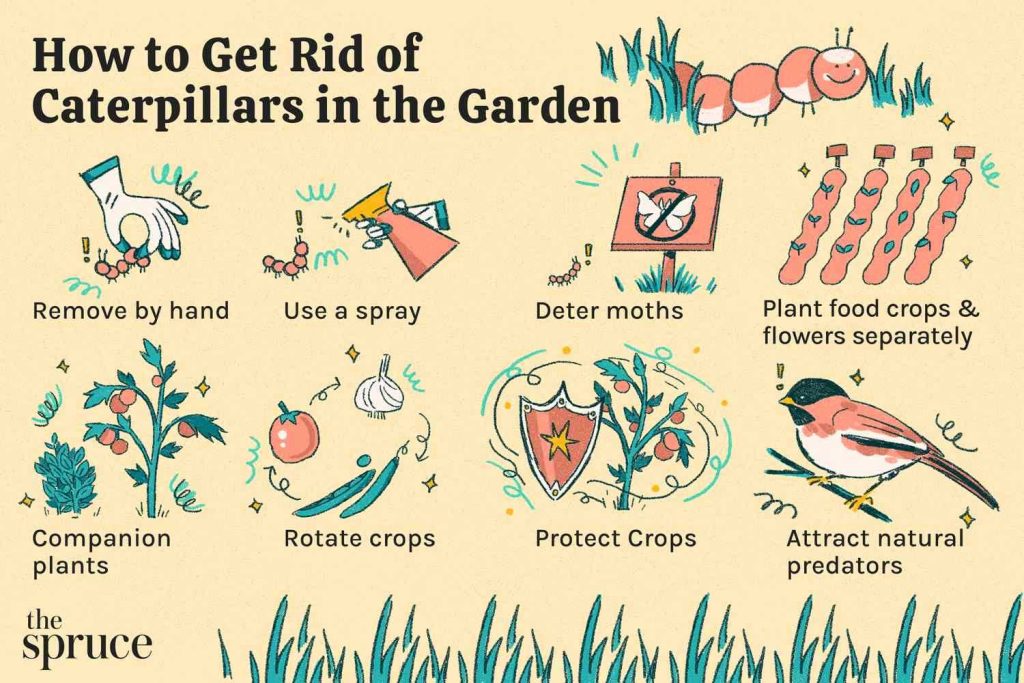
If you’re dealing with pesky caterpillars invading your yard, there are a few effective strategies to send them packing. Start by inspecting your plants and manually removing any visible caterpillars. You can also introduce natural predators like ladybugs or birds to help control the population. Additionally, consider using organic solutions such as neem oil or insecticidal soap to deter these hungry pests without harming your plants or the environment.
Caterpillars may seem harmless, but they can wreak havoc on your garden by munching on leaves and damaging plants. It’s important to tackle the problem early to prevent extensive damage. In this guide, we’ll explore various methods to effectively get rid of caterpillars in your yard, ensuring your plants remain healthy and thriving.

How To Get Rid Of Caterpillars In Yard
Caterpillars can turn a beautiful yard into a garden nightmare. If you’ve noticed these pesky pests munching on your plants, there are effective ways to manage them. This guide will explore various methods to get rid of caterpillars in your yard, ensuring your greenery remains healthy and vibrant.
Understanding Caterpillars
Caterpillars are the larval stage of butterflies and moths. They come in many varieties and can have different impacts on your garden.
– Some caterpillars are harmless and can even help pollinate.
– Others are notorious for eating away at leaves, leading to unsightly plants.
Identifying the type of caterpillar you’re dealing with can help you choose the best method for removal.
Identifying the Caterpillar Problem
The first step in tackling caterpillar issues is to identify their presence. Look for these signs:
– **Chewed Leaves**: Major sign of caterpillar infestation.
– **Caterpillar Droppings**: Small dark pellets near infested plants.
– **Visible Caterpillars**: Look closely at the underside of leaves.
Monitoring your plants regularly can help you catch caterpillars early on.
Preventative Measures
Prevention is always better than cure. Here are some tips to keep caterpillars at bay:
- Healthy Soil: Ensure your soil is healthy and well-nourished.
- Companion Planting: Some plants naturally repel caterpillars, like marigolds.
- Regular Cleaning: Keep your yard free from debris where caterpillars might hide.
By creating a habitat that is less conducive to caterpillar growth, you can minimize the chance of an infestation.
Natural Remedies for Caterpillar Control
Many natural remedies can help manage caterpillar populations without harmful chemicals. Here are some effective options:
Neem Oil
Neem oil is an organic pesticide derived from the neem tree. It disrupts the life cycle of caterpillars.
– **How to Use**: Mix neem oil with water and spray directly on affected plants.
– **Frequency**: Apply once every seven days for best results.
Soap Spray
Insecticidal soap can be effective against caterpillars.
– **Recipe**: Mix mild soap with water.
– **Application**: Spray directly on the caterpillars and their nests.
Handpicking
For smaller gardens, handpicking can be an effective strategy.
– **How to Do It**: Wear gloves and remove caterpillars by hand.
– **Disposal**: Place them in a bucket of soapy water to eliminate them.
Chemical Control Methods
If natural methods are not effective, chemical control may be necessary. However, use these products carefully and follow all instructions.
Insecticides
Choosing the right insecticide is crucial.
– **Pyrethrin**: A natural insecticide that can be very effective.
– **Bacillus Thuringiensis (Bt)**: Targeted specifically at caterpillars without harming beneficial insects.
Granules and Sprays
Applying granules or sprays can cover larger areas effectively.
– **Application**: Follow product instructions for how often and how much to apply.
Encouraging Natural Predators
Encouraging helpful creatures in your yard can help reduce caterpillar numbers.
- Birds: Attract birds by providing feeders and baths.
- Beneficial Insects: Ladybugs and lacewings can also help control pests.
Creating a balanced ecosystem not only helps with caterpillar control but also benefits your garden overall.
Creating a Caterpillar-Free Environment
Making your yard less appealing to caterpillars can aid in keeping them away. Consider these factors:
Plant Selection
Certain plants attract caterpillars, while others repel them.
– **Choose Wisely**: Select plants known for being pest-resistant.
– **Mix and Match**: Diversifying your plant choices can deter caterpillars.
Regular Yard Maintenance
Keeping your yard tidy is vital.
– **Trim Overgrown Plants**: Remove any excess growth where caterpillars can hide.
– **Clear Debris**: Regularly clear fallen leaves and plant clippings.
Monitoring and Follow-Up
Monitoring your yard after implementing these methods is essential.
– **Check Regularly**: Look for any signs of caterpillars returning.
– **Adjust Methods as Needed**: If one method isn’t working, try another.
Being proactive can help you maintain a caterpillar-free yard.
Dealing with Severe Infestations
In cases of severe caterpillar problems, more drastic measures may be necessary.
– **Professional Help**: If an infestation is overwhelming, consider hiring a pest control specialist.
– **Reseeding and Replanting**: Some plants may not recover and may need replacing.
Taking decisive action can help restore your garden’s health.
By following these strategies and tips, you can ensure a caterpillar-free yard that thrives with healthy plants. Consistent care and monitoring will help keep these pests at bay and maintain the beauty of your outdoor space.
Regular attention to your garden will help you enjoy a healthy and vibrant landscape. Keep your plants thriving and resist those caterpillars with these simple and effective methods.
Control Catepillars In The Garden Organically And Effectively
Frequently Asked Questions
What are effective natural remedies for removing caterpillars?
Natural remedies include introducing beneficial insects like ladybugs and lacewings, which prey on caterpillars. You can also spray a mixture of water and dish soap to deter them. Additionally, planting strong-smelling herbs such as rosemary or mint around your garden can help repel caterpillars.
How can I prevent caterpillars from returning to my yard?
To prevent caterpillars from returning, keep your garden clean by removing debris and fallen leaves where they can hide. Regularly inspect your plants for eggs and larvae, and remove them promptly. Consider using row covers to protect young plants until they grow stronger.
What types of plants attract caterpillars, and how can I manage them?
Plants like cabbage, kale, and other leafy greens tend to attract caterpillars. Managing them involves creating a barrier with fine mesh or netting, which prevents caterpillars from reaching the plants. You can also choose varieties that are less appealing to caterpillars or use companion planting to deter them.
Are there any chemical approaches for controlling caterpillar infestations?
If you prefer chemical treatments, look for insecticides that target caterpillars specifically, such as Bacillus thuringiensis (Bt). Always follow label instructions and apply these products when caterpillars are actively feeding for the best results.
What signs indicate a caterpillar problem in my yard?
Signs of a caterpillar problem include missing leaves, large holes in foliage, or frass (caterpillar droppings) on your plants. You might also notice caterpillars themselves, which can vary in color and size depending on the species. Regular inspections can help you catch these issues early.
Final Thoughts
To effectively manage caterpillars in your yard, start by regularly inspecting plants and removing any visible pests by hand. Use natural predators like birds or beneficial insects to keep caterpillar populations in check.
Consider applying organic insecticides that target caterpillars without harming other wildlife. Additionally, maintaining healthy plants will make them less susceptible to infestations.
Combining these strategies will help you succeed in controlling caterpillar issues. Implementing these tips will guide you on how to get rid of caterpillars in yard and maintain a thriving garden.