To effectively eliminate Bermuda grass weeds, act fast with a combination of manual removal, targeted herbicides, and proper lawn maintenance. Consistent effort and early action are key to preventing this stubborn weed from taking over your yard.
The quickest way to get rid of Bermuda grass weed is to manually dig out the patches, use selective herbicides meant for grassy weeds, and keep your lawn healthy through regular mowing and fertilization. These steps help weaken and control Bermuda grass, making your yard look lush and weed-free.
If Bermuda grass is invading your garden, don’t panic—though it’s known for its resilience, there are effective strategies to control it. Acting quickly is crucial; start with manual removal to uproot the weed, then apply a herbicide specifically designed for grassy weeds. Maintaining a healthy lawn through proper watering, mowing at the right height, and fertilization can make your yard less inviting for Bermuda grass to thrive. Consistency is key, as this weed can quickly spread if neglected, but with patience and the right approach, you can reclaim your lawn from its stubborn grasp.

How to Get Rid of Bermuda Grass Weed
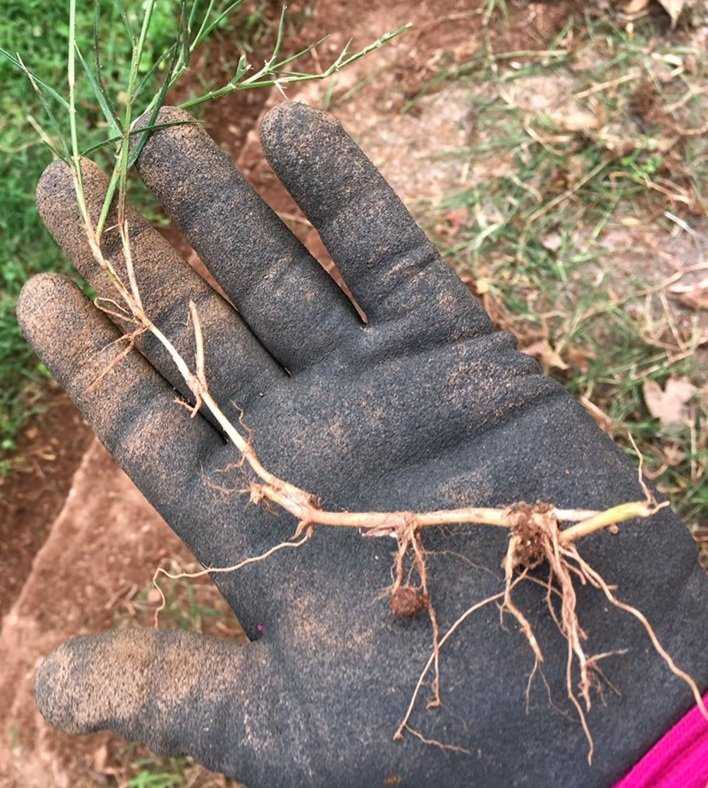
Bermuda grass weed can quickly take over your lawn if not managed properly. It is a tough, aggressive grass that spreads fast through both seeds and underground runners called stolons. Knowing how to effectively eliminate this weed is essential to maintaining a healthy, lush yard.
Understanding Bermuda Grass Weed
Before diving into removal methods, it’s important to understand what Bermuda grass weed is. It is a perennial warm-season grass, often mistaken for a desirable lawn grass but becomes a problem when it invades areas where you don’t want it. Its fast spreading nature makes it difficult to control once established.
Key characteristics include:
- Fast growth and spreading via runners and seeds
- Bright green color during warm months
- Resilience to many common lawn treatments
Identifying Bermuda Grass Weed
Correct identification helps determine the best removal strategy. Bermuda grass looks similar to other grasses but has unique features.
Its leaves are narrow and flat, with a smooth texture. It forms dense mats that crowd out other plants. Its rhizomes and runners make it difficult to remove completely with simple mowing.
Preventive Measures to Stop Bermuda Grass Weed
Prevention is always better than cure. Regular lawn maintenance can help keep Bermuda grass weed at bay.
Proper Lawn Care Practices
Follow these tips to prevent Bermuda grass invasion:
- Maintain healthy, dense turf by watering correctly and fertilizing regularly
- Ensure your lawn is mowed at the right height—generally 2.5 to 3 inches for cool-season grasses
- Thatch your lawn to remove dead organic material that can harbor weeds
Soil Testing and Management
Test your soil to ensure proper pH and nutrient levels. Bermuda grass prefers sandy, well-drained soil. Adjusting soil conditions can discourage Bermuda grass growth.
Manual Removal Techniques
Physical methods can help control small patches of Bermuda grass weed. Consistency is key for success.
Hand Pulling
Use gloves and carefully pull out the weed, making sure to remove the rhizomes and runners. This method is effective for small areas but requires patience.
Digging Out
Use a garden fork or shovel to lift out larger patches. Be thorough to remove as much of the roots as possible to prevent regrowth.
Chemical Control Methods
Herbicides are often necessary for severe Bermuda grass infestation. Select the right type and apply carefully to avoid damaging your lawn.
Selective Herbicides
Use products containing fluazifop-P-butyl or fenoxaprop-p-ethyl. These target Bermuda grass without harming many cool-season grasses.
Non-Selective Herbicides
Herbicides like glyphosate work well but will kill all vegetation they contact. Use with caution and spot-treat only the Bermuda grass patches.
Application Tips
Apply herbicides when Bermuda grass is actively growing, usually in late spring or early summer. Follow manufacturer instructions carefully and avoid mowing for a few days after treatment.
Preventing Regrowth After Removal
Once Bermuda grass is removed, ongoing maintenance prevents it from returning.
Reseeding and Lawn Renovation
Plant desirable turf grasses like tall fescue or Kentucky bluegrass to fill in bare patches. Thick lawns resist weed invasion better.
Regular Monitoring
Inspect your lawn regularly and address any new Bermuda grass patches immediately. Early intervention prevents large infestations.
Utilizing Cover Crops and Mulching
Mulch and cover crops can suppress Bermuda grass growth and improve soil health.
Applying Mulch
Use organic mulch like wood chips in garden beds to block sunlight reaching Bermuda grass seeds. This reduces germination rates.
Planting Cover Crops
Cover crops like clover or other dense ground covers can compete with Bermuda grass, limiting its spread.
Long-term Strategies for Bermuda Grass Weed Control
Sustainable management involves combining multiple methods for the best results.
Integrated Pest Management (IPM)
Use a combination of cultural, mechanical, and chemical controls to keep Bermuda grass under control over time.
Proper Lawn Maintenance
Consistently maintain the health of your lawn, avoiding overwatering or under-fertilizing, which can create openings for weeds.
Related Topics: Alternative Weed Control Methods
Explore organic options like vinegar solutions or herbal herbicides for a more environmentally friendly approach.
Homemade Herbicide Recipes
Create a mixture of vinegar, salt, and dish soap to spot-treat Bermuda grass. Use with caution to prevent damage to other plants.
Natural Competitors
Planting competitive ground covers can reduce Bermuda grass spread naturally without chemicals.
Summary of Best Practices to Get Rid of Bermuda Grass Weed
| Method | Description |
|---|---|
| Proper Lawn Maintenance | Maintain healthy, dense turf through watering, mowing, and fertilizing |
| Manual Removal | Hand pulling and digging out patches for small infestations |
| Herbicide Application | Use selective or non-selective herbicides carefully for severe invasions |
| Reseeding and Lawn Renovation | Fill in gaps with desirable grasses to prevent Bermuda grass from establishing |
| Mulching and Cover Crops | Suppress Bermuda grass growth naturally and improve soil health |
Controlling Bermuda grass weed requires a combination of strategies, patience, and regular lawn care. Taking consistent actions will make it easier to keep your yard healthy and free from this stubborn weed.
Getting Rid of Weeds in your Bermuda Grass for Beginners
Frequently Asked Questions
What are the most effective ways to eliminate Bermuda grass from a lawn?
To effectively remove Bermuda grass, start by manually removing as much of the weed as possible. Apply a non-selective herbicide directly onto the grass, ensuring you follow the product’s instructions carefully. You can also improve your chances by smothering the weed with heavy layers of mulch or black plastic to block sunlight. Over time, consistent effort with these methods can significantly reduce Bermuda grass presence.
How does soil preparation help in controlling Bermuda grass?
Proper soil preparation creates unfavorable conditions for Bermuda grass and encourages desirable turf growth. Aerate the soil to improve drainage and remove compacted areas. Incorporate organic matter to strengthen your lawn’s health, making it more resistant to weed invasion. Regular fertilization tailored to your grass type also promotes dense growth that can outcompete Bermuda grass.
Can reseeding or overseeding help prevent Bermuda grass from spreading?
Yes, overseeding with a suitable turf variety creates a dense lawn that leaves less room for Bermuda grass to establish itself. Ensure you prepare the soil properly before overseeding, and keep the area well-watered to promote healthy growth. A thick, healthy turf not only masks Bermuda grass but also prevents it from gaining a foothold in your yard.
What maintenance practices can minimize Bermuda grass intrusion over time?
Consistent lawn maintenance is key to preventing Bermuda grass from taking over. Mow your lawn regularly at the recommended height for your grass type, and remove clippings to avoid spreading the weed. Water deeply but infrequently to promote deep root growth of your turf, and fertilize appropriately throughout the growing season. These practices help maintain a healthy lawn that naturally resists Bermuda grass encroachment.
Final Thoughts
Getting rid of Bermuda grass weed requires a strategic approach. Start by removing as much of the weed as possible manually to reduce its spread. Apply a selective herbicide specifically designed for Bermuda grass to target and kill the weed without harming desirable plants. Regular maintenance and proper lawn care can prevent the weed from re-establishing.
In conclusion, how to get rid of Bermuda grass weed involves consistent physical removal and targeted herbicide use. Focusing on these methods ensures effective control and a healthier lawn.