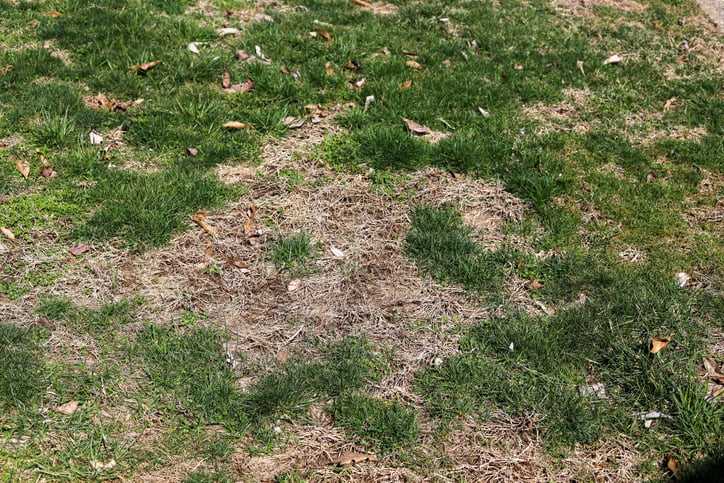
If your lawn feels crispy underfoot and struggles to support healthy grass growth, your soil might be compacted. To fix this, aerate the lawn to loosen the soil, then improve its structure with organic matter like compost. Regular aeration and topdressing can help restore soil health and promote lush growth.
Compacted soil is a common problem that prevents air, water, and nutrients from reaching grass roots, leading to thin, unhealthy lawns. The good news is that fixing it is straightforward: aeration breaks up the compacted layers, allowing roots to breathe and grow more freely. Enhancing the soil with organic amendments will also improve its long-term health. With a little effort, you can turn your tired, hard lawn into a vibrant, thriving green space that invites you to step outside and enjoy nature again.
When soil becomes compressed over time, it forms a dense barrier that hampers proper drainage and root development—making your lawn less resilient and more prone to drought and disease. The key to solving this problem lies in aeration, which creates small holes to relieve pressure and open pathways for nutrients and water to penetrate. Incorporating organic matter and practicing regular lawn care will help maintain loose, healthy soil, ensuring your grass stays lush and green season after season.

How to fix compacted soil in lawn
Compacted soil is a common problem that can make it difficult for grass roots to grow and absorb water. When soil becomes hard and dense, it prevents air, water, and nutrients from reaching the grass plants. Fixing compacted soil is essential for a healthy, lush lawn.
Understanding Soil Compaction
Soil compaction happens when the soil particles are pressed tightly together, reducing pore spaces. This often occurs from heavy foot traffic, lawn equipment, or drought conditions. Identifying compacted soil involves noticing a lawn that feels hard underfoot and shows signs of poor grass growth.
Signs of soil compaction include pooling water after rain, shallow grass roots, and a thin or patchy lawn. It’s important to distinguish between surface compaction and deep soil issues for the right fixing methods.
Why Soil Compaction Harms Your Lawn
Compacted soil limits the movement of air, water, and nutrients. Without these essential elements reaching the grass roots, grass turns yellow, grows slowly, or dies. Roots may also grow shallow, making the lawn weaker and more vulnerable to pests and diseases.
Over time, compacted soil can lead to poor drainage and increased runoff. This results in a soggy or muddy lawn, especially after rains, further stressing the grass.
Steps to Fix Compacted Soil in Your Lawn
1. Aerate Your Lawn
Aeration creates small holes in the soil, helping to break up compaction. You can use a manual or mechanical aerator, depending on the size of your lawn. This process allows water, air, and nutrients to reach deeper into the soil.
Choose a day when the soil is moist but not soaked for best results. Be sure to go over the lawn multiple times in different directions for thorough aeration.
2. Overseed for Better Grass Growth
After aerating, overseeding helps to fill in bare spots and promotes thick, healthy grass. Use a high-quality grass seed suitable for your climate and soil conditions. Lightly rake the seeded areas and water regularly to ensure good soil contact.
This improves the lawn’s overall resilience and helps prevent future compaction issues.
3. Add Organic Matter
Incorporate organic materials like compost or peat moss into the soil to improve its structure. Spread a layer of compost over the lawn and gently work it into the topsoil. Organic matter increases soil porosity and encourages beneficial microbial activity.
This not only helps alleviate compaction but also boosts soil nutrients, making the lawn more vigorous.
4. Use Gypsum to Improve Soil Structure
Gypsum, or calcium sulfate, is a mineral that can help loosen compacted soils, especially those with high clay content. Apply the recommended rate as per the product instructions and water it in thoroughly. Gypsum helps to displace clay particles and promotes better drainage.
Check your soil type before using gypsum to ensure it’s suitable for this treatment.
Additional Tips for Maintaining a Healthy Lawn
Regular Lawn Care Practices
- Avoid heavy foot traffic, especially when the soil is wet
- Mow at appropriate heights to prevent stress on grass roots
- Water deeply but infrequently to encourage deep root growth
- Feed the lawn with a balanced fertilizer to supply necessary nutrients
Mulching and Topdressing
Applying a thin layer of mulch or compost on the lawn’s surface can aid in retaining moisture and improving soil health. Topdressing with organic materials helps to gradually reduce compaction over time and boosts grass growth.
When to Seek Professional Help
If soil compaction persists despite DIY efforts, consulting lawn care professionals might be necessary. They can perform advanced aeration techniques or soil testing to diagnose specific issues. Professional equipment can effectively loosen very hard or deep soil compaction.
Preventing Future Soil Compaction
Implementing good lawn maintenance practices is key to avoiding future problems. Limit heavy traffic and avoid mowing when the soil is wet. Regular aeration and organic amendments help keep soil loose and healthy. Proper watering and feeding further support soil structure over time.
Understanding your soil type and adjusting your lawn care accordingly will help ensure long-term health and vibrancy for your lawn.
Frequently Asked Questions
What are effective methods to loosen soil compacted by heavy foot traffic?
To loosen soil compacted by foot traffic, aerate your lawn to create small holes that allow air, water, and nutrients to penetrate deeper. Use a garden fork or an aerator tool to poke holes in the soil across affected areas. Follow up with overseeding and applying compost or organic matter to improve soil structure. Regular aeration prevents compaction from recurring and promotes healthier root growth.
How often should I aerate my lawn to prevent soil compaction?
Aerate your lawn at least once a year, especially in areas prone to heavy use or clay soils that tend to compact easily. If you notice signs like poor drainage, shallow roots, or bald patches, consider aerating more frequently. Conduct aeration during the growing season, preferably in spring or fall, to give the grass time to recover and establish stronger roots.
Can soil amendments help improve compacted soil, and which ones are most effective?
Yes, adding organic amendments can significantly enhance soil structure. Incorporate compost, peat moss, or well-aged manure into the topsoil to increase porosity and nutrient content. These materials help break up compacted layers and encourage healthy microbial activity. Regularly mixing in organic matter supports long-term soil health and reduces future compaction risks.
What role does watering play in alleviating soil compaction?
Proper watering helps soften compacted soil, making it easier to aerate and till. Ensure you water deeply and infrequently to encourage deep root growth and improve soil moisture levels. Avoid overwatering, as excessively wet soil can become even more compacted and lead to drainage problems. Consistent moisture levels support natural soil loosening over time.
Are there specific tools or equipment recommended for breaking up compacted soil?
Yes, tools like garden core aerators, spike aerators, or power tillers effectively loosen compacted soil. Core aerators remove small plugs of soil, creating space for air and water to circulate. Spike aerators create holes without removing soil, which can also be helpful. For larger areas, renting or using power equipment offers a more efficient solution, making the process quicker and more effective.
Final Thoughts
To fix compacted soil in lawn, start by aerating the affected area to loosen the soil. Use a garden fork or aeration tool to create holes that allow air, water, and nutrients to penetrate deeply. Spread a top dressing of compost or organic matter to improve soil structure. Regular aeration and adding organic material will help maintain healthy, loose soil conducive to lush grass growth.