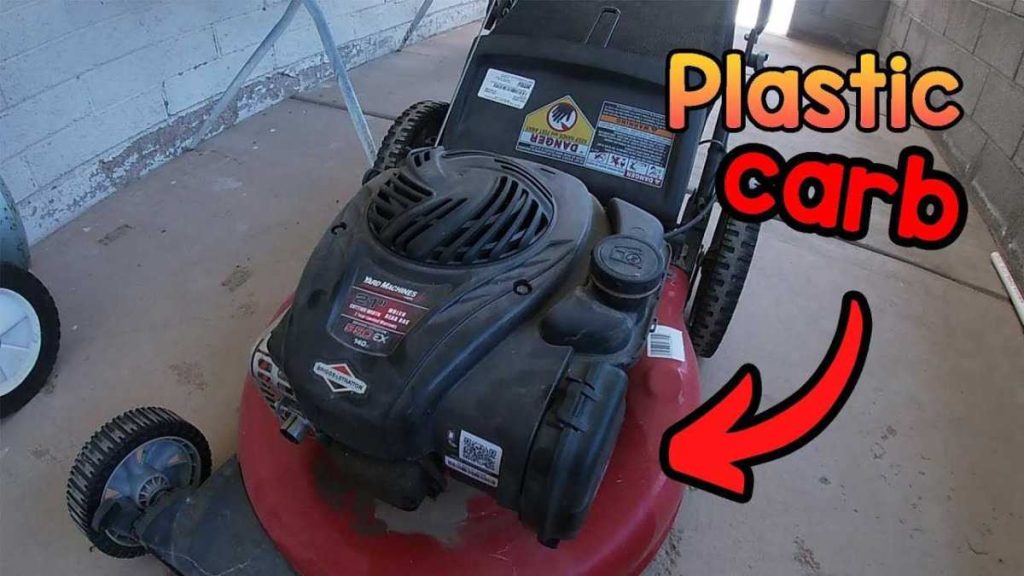
If your lawn mower isn’t starting or runs roughly, a clogged or dirty carburetor could be the culprit. Fixing it might seem tricky, but with a few simple steps, you can get your mower back in shape quickly. The key is to clean the carburetor thoroughly, replace any damaged parts, and make sure the fuel system is functioning properly. Regular maintenance can prevent future issues and keep your mower running smoothly all season long.
To fix a Briggs and Stratton lawn mower carburetor, start by disconnecting the spark plug and draining the fuel. Remove the carburetor and clean it with a carburetor cleaner, paying close attention to jets and passages. If necessary, replace gaskets or rebuild kits. Once cleaned, reassemble, reattach, and test your mower. This straightforward approach can restore your mower’s performance without professional help.
A Briggs and Stratton lawn mower carburetor may become clogged or gummed up over time, especially if fuel sits in the tank for too long. Dirt, debris, and old fuel can cause the engine to stall, run unevenly, or refuse to start altogether. Luckily, fixing these issues isn’t complicated. With the right tools and a bit of patience, you can restore your mower’s efficiency and enjoy a beautifully manicured lawn all season long. Regular cleaning and maintenance are your best defenses against carburetor problems, so staying proactive can save you time and money down the road.

How to Fix a Briggs and Stratton Lawn Mower Carburetor
Dealing with a lawn mower that doesn’t start or runs erratically often points to carburetor issues. The carburetor controls how fuel mixes with air for the engine to run smoothly. Over time, debris, varnish, or clogs can impair its function. Knowing how to fix a Briggs and Stratton lawn mower carburetor can save you time and money on repairs.
Understanding Your Briggs and Stratton Carburetor
The first step in fixing the carburetor is understanding its parts and how they work together. The carburetor is a small but vital component located near the engine. It has several parts including the throttle, jets, fuel bowl, and float.
- Throttle Plate: Controls air intake to regulate engine speed.
- Jets: Meter fuel into the airflow; clogged jets are a common problem.
- Float: Maintains fuel level within the carburetor’s bowl.
- Needle Valve: Opens and closes to control fuel flow.
Understanding these parts helps you identify where issues may occur and how to approach repairs effectively.
Common Problems with Briggs and Stratton Carburetors
Many issues stem from gumming, dirt, or wear. Common symptoms include difficulty starting, engine stalling, or poor acceleration.
- Engine Won’t Start: Usually indicates fuel flow or air intake problems.
- Engine Runs Rough: Often caused by clogged jets or dirty air filters.
- Engine Surges: May be due to an air leak or an over-fueling problem.
- Stalling After Starting: Common when the carburetor is clogged or improperly adjusted.
Identifying these symptoms helps you focus on specific repair steps, saving time and effort.
Tools Needed for Carburetor Repair
Before beginning the fix, gather essential tools to make the process smoother. These include:
- Flat-head and Phillips screwdrivers
- Carburetor cleaner spray
- Wrenches or socket set
- Needle-nose pliers
- Replacement gaskets or rebuild kit (if necessary)
- Safety gloves and eye protection
Having these tools ready ensures a safe and efficient repair process.
Step-by-Step Guide to Fixing the Carburetor
Step 1: Prepare Your Work Area
Park your mower on a flat surface and turn off the engine. Disconnect the spark plug wire for safety. This prevents accidental starting during repairs.
Step 2: Remove the Carburetor
Locate the carburetor on your mower. Use the appropriate wrench or screwdriver to detach the linkage and fuel lines. Carefully remove the carburetor from the engine.
Step 3: Inspect and Clean the Carburetor
Disassemble the carburetor by removing the bowl and jets. Soak all parts in carburetor cleaner spray to dissolve varnish and dirt. Use a soft brush or compressed air to clear clogged passages.
Step 4: Check for Damage or Wear
Inspect gaskets, seals, and the float for cracks or damage. Replace any worn or broken parts with new ones from a rebuild kit.
Step 5: Reassemble and Test
Once cleaned and inspected, reassemble the carburetor carefully. Reinstall it onto the engine, reconnect fuel lines and linkages. Reconnect the spark plug wire.
Step 6: Adjust the Carburetor
Adjust the idle screw and mixture screws for optimal performance. Usually, turning the screws clockwise reduces fuel, while counterclockwise increases it. Fine-tune until the engine runs smoothly and consistently.
Tips for Maintaining Your Briggs and Stratton Carburetor
Regular maintenance can prevent most carburetor issues. Follow these tips:
- Use Fresh Fuel: Old fuel can cause varnish buildup inside the carburetor.
- Clean or Replace the Air Filter: A clean air filter prevents dirt from entering the carburetor.
- Run the Mower Regularly: Regular use prevents fuel from stagnating and gumming up the system.
- Perform Routine Inspections: Check for leaks, cracks, or gummed jets at the start of each mowing season.
- Use Fuel Additives: Stabilizers help keep fuel fresh and prevent varnish formation.
When to Seek Professional Help
If cleaning and minor repairs do not restore proper operation, it might be time to consult a professional. A mechanic can diagnose complex issues like worn needle valves or internal engine damage.
Additional Repair Tips and Troubleshooting
Some problems require specific fixes:
- Engine Runs but Surges: Adjust mixture screws or replace the float if necessary.
- Fuel Leaks from Carburetor: Check for damaged gaskets or cracks in the carburetor body. Replace if necessary.
- Hard to Start or No Spraying of Fuel: Verify fuel flow from the tank and clean or replace clogged jets.
Replacing the Carburetor
If cleaning doesn’t improve performance, replacing the carburetor can be the best solution. Follow the removal and installation steps carefully, ensuring compatibility with your mower model.
Always buy a genuine Briggs and Stratton replacement carburetor for reliable operation. Proper installation and adjustment ensure the mower runs optimally, extending its lifespan.
Fixing a Briggs and Stratton lawn mower carburetor may seem daunting, but with patience and the right tools, it is manageable. Regular upkeep and timely repairs keep your mower running smoothly and your yard looking its best.
HOW TO CLEAN A CARBURETOR ON A BRIGGS & STRATTON 550EX ENGINE FOR BEGINNERS (Yard Machines Mowers)
Frequently Asked Questions
How can I clean my Briggs and Stratton lawn mower carburetor effectively?
Start by removing the carburetor from the mower. Then, disassemble it carefully, noting the position of each part. Use a carburetor cleaner spray to thoroughly clean all passages, jets, and the float bowl. Rinse with clean water and let all parts dry completely before reassembling and reinstalling the carburetor. Regular cleaning prevents buildup that can clog the jets and affect performance.
What steps should I follow to replace a faulty carburetor on my mower?
First, disconnect the spark plug to ensure safety. Drain any fuel from the carburetor to prevent spills. Remove the mounting bolts or clips holding the carburetor in place. Detach the hoses and linkages carefully. Install the new carburetor by reversing these steps, making sure connections are tight and aligned properly. Finally, refill the fuel tank and test the mower for smooth operation.
How do I adjust the carburetor for optimal engine performance?
Locate the adjustment screws on the carburetor—usually labeled as “low” and “high” speed screws. Turn the screws slowly clockwise or counterclockwise to find a balance where the engine runs smoothly without stalling or bogging down. Start the mower and make small adjustments, listening for steady, consistent engine sound. An optimal setting provides easy starts and consistent cutting power.
Final Thoughts
To fix a Briggs and Stratton lawn mower carburetor, start by cleaning the carb thoroughly to remove dirt and debris. Check for clogs in the jets and clear any obstructions. Replace worn gaskets and seals to prevent leaks and ensure proper fuel flow. Regular maintenance keeps the carburetor functioning smoothly, extending the mower’s lifespan. With these steps, you can confidently address common issues and keep your mower running efficiently. Knowing how to fix a Briggs and Stratton lawn mower carburetor makes maintenance straightforward and effective.