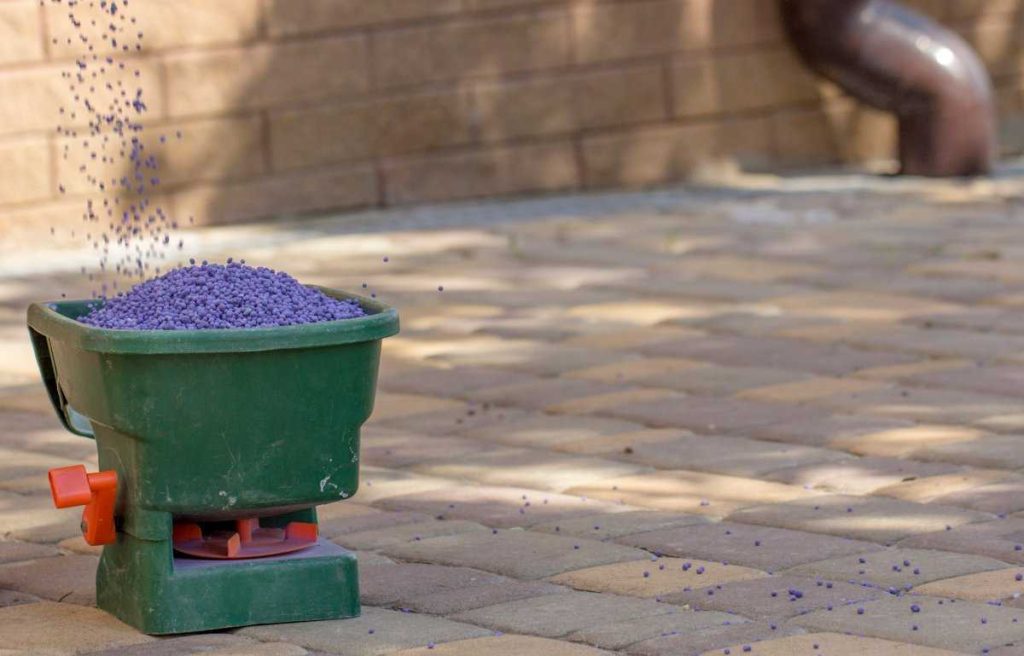
To keep your Kentucky bluegrass lush and vibrant, timely and proper fertilization is key. Use a balanced fertilizer suited for cool-season grasses, applying it in early spring and fall for best results. Remember not to overdo it, as this can lead to disease and thatch buildup. Before fertilizing, perform a soil test to determine nutrient needs, then choose a fertilizer with the appropriate nitrogen, phosphorus, and potassium levels. Water thoroughly after application to help nutrients soak in. Regular fertilization boosts grass health, encourages dense growth, and keeps your lawn green and beautiful all season long.
Getting your Kentucky bluegrass to thrive doesn’t have to be complicated. With the right fertilization schedule and techniques, you can achieve a stunning, healthy lawn that invites everyone to enjoy its beauty. Fertilizing at the right time, with the right nutrients, ensures your grass remains resilient and vibrant throughout the year.

How to Fertilize Kentucky Bluegrass: A Complete Guide
Understanding Kentucky Bluegrass and Its Nutritional Needs
Kentucky bluegrass is a popular cool-season grass known for its lush, green color and dense growth. To keep it healthy and vibrant, it requires proper fertilization tailored to its specific nutrients. This grass needs a balanced supply of nitrogen, phosphorus, and potassium to thrive. Understanding how these nutrients influence growth helps you plan a fertilizer schedule that promotes a thick, green lawn.
Timing of Fertilization for Kentucky Bluegrass
Proper timing plays a key role in the effectiveness of fertilization. The best times to fertilize Kentucky bluegrass are during its active growing seasons in spring and fall. Applying fertilizer in late winter or early summer can be less effective and may even harm the grass if done at the wrong time. Generally, fertilize about twice a year, but in regions with quick growth, three applications might be necessary.
Spring Fertilization
Spring fertilization should be done as soon as the grass starts to grow actively. This encourages quick, dense growth and sets a healthy foundation for the season. Use a fertilizer with a balanced or slightly high nitrogen content. Wait until the grass is about 4 to 6 inches tall before applying fertilizer.
Fall Fertilization
Fall feeding is essential to help Kentucky bluegrass recover from summer stress and prepare for winter. Use a fertilizer with a higher potassium content to strengthen root systems. Applying fertilizer in early fall, approximately six to eight weeks before the first hard frost, provides the best results.
Choosing the Right Fertilizer
Selecting the correct fertilizer involves understanding the N-P-K ratio. This ratio indicates the relative amounts of nitrogen, phosphorus, and potassium.
| N-P-K Ratio | Use |
|---|---|
| 16-4-8 | General feeding in spring and fall |
| 20-0-20 | Fall fertilization for root growth |
| 10-10-10 | Balanced nutrition for overall health |
**Look for fertilizers specially formulated for cool-season grasses.** Slow-release nitrogen fertilizers are preferred because they provide continuous feeding over time, reducing the risk of burn and promoting steady growth.
How to Apply Fertilizer Correctly
Application methods can impact how well the fertilizer is absorbed. Use a broadcast spreader for even distribution across the lawn. Before applying, mow the grass slightly shorter and make sure the soil is moist. This helps fertilizer nutrients penetrate better into the soil.
Steps for Proper Application
- Calibrate your spreader according to the manufacturer’s instructions.
- Divide the fertilizer into two halves for a more even application.
- Apply the first half in one direction and the second half at a right angle.
- Water the lawn lightly after fertilizing to activate the nutrients.
Frequency of Fertilization
Fertilizer frequency depends on the type of fertilizer used and the lawn’s condition. Generally, fertilize Kentucky bluegrass with a slow-release fertilizer twice a year—in early spring and late fall. If you use a quick-release fertilizer, more frequent applications every six to eight weeks may be necessary.
Signs You Need to Fertilize
Watch for these signs indicating fertilization is needed:
- Fading or pale green color
- Slow or sparse growth
- Thin or patchy areas in the lawn
- Weak root systems
Precautions and Tips for Fertilizing Kentucky Bluegrass
Avoid over-fertilizing, which can lead to excessive growth and increased susceptibility to diseases. Always follow the application rates specified on the fertilizer package. Never fertilize during drought conditions or when the soil is frozen to prevent root damage.
Additional Tips for Healthy Lawn Growth
- Maintain proper watering practices—deep, infrequent watering encourages deep roots.
- Test your soil annually to adjust fertilization based on nutrient deficiencies.
- Avoid fertilizing before heavy rain to prevent runoff and pollution.
- Combine fertilization with aeration for improved nutrient absorption.
Related Topics for Better Lawn Care
- Soil testing for optimal nutrient management
- Proper mowing height for Kentucky bluegrass
- Watering schedules to complement fertilization
- Dealing with pests and diseases in cool-season grasses
Proper fertilization is vital for maintaining a healthy, lush Kentucky bluegrass lawn. By understanding when, how, and what to fertilize, you can ensure your lawn remains green, strong, and beautiful throughout the seasons. Keeping up with proper nutrition supports the grass’s overall health and resilience, making your outdoor space a welcoming retreat.
Kentucky Bluegrass Care | DoMyOwn.com
Frequently Asked Questions
When is the best time to fertilize Kentucky Bluegrass?
The optimal time to fertilize Kentucky Bluegrass is during its active growing seasons, typically in early spring and late fall. Applying fertilizer in these periods promotes healthy growth, improves color, and helps the grass recover from winter stress. Avoid fertilizing during the peak summer heat to prevent stress and potential damage.
What type of fertilizer should I use for Kentucky Bluegrass?
Use a balanced fertilizer with an equal proportion of nitrogen, phosphorus, and potash, such as a 10-10-10 or 20-20-20 blend. For optimal results, choose a fertilizer specifically formulated for cool-season grasses. Slow-release fertilizers work well because they provide a steady supply of nutrients over time, reducing the risk of runoff and over-fertilization.
How often should I fertilize Kentucky Bluegrass?
Fertilize Kentucky Bluegrass about 2 to 4 times per year, depending on the grass’s health and the local climate. A common schedule includes an application in early spring, late spring, late summer, and fall. Adjust the frequency based on soil test results and the specific needs of your lawn to avoid overfeeding and ensure proper growth.
What methods are effective for applying fertilizer to Kentucky Bluegrass?
Broadcast spreading with a rotary or drop spreader ensures even distribution of fertilizer across your lawn. Water the area thoroughly after applying to help nutrients penetrate the soil and reach the roots. For spot fertilization or targeted feeding, use a hand-held spreader or a liquid fertilizer applicator for precision.
Final Thoughts
To fertilize Kentucky bluegrass effectively, apply a balanced fertilizer in early spring and late summer. Use slow-release formulas to provide nutrients gradually, encouraging healthy growth.
Adjust fertilization based on soil test results to avoid overfeeding. Water the lawn after fertilizing to help nutrients penetrate the soil.
In conclusion, knowing how to fertilize Kentucky bluegrass ensures a lush, vibrant lawn. Regular, proper feeding promotes strong roots and thick coverage.